
Kirjailija
Tobias G. Natter
Kirjat ja teokset yhdessä paikassa: 19 kirjaa, julkaisuja vuosilta 2012–2023, suosituimpiin kuuluu Gustav Klimt. Tutti i dipinti. Vertaile teosten hintoja ja tarkista saatavuus suomalaisista kirjakaupoista.
19 kirjaa
Kirjojen julkaisuvuodet: 2012–2023.
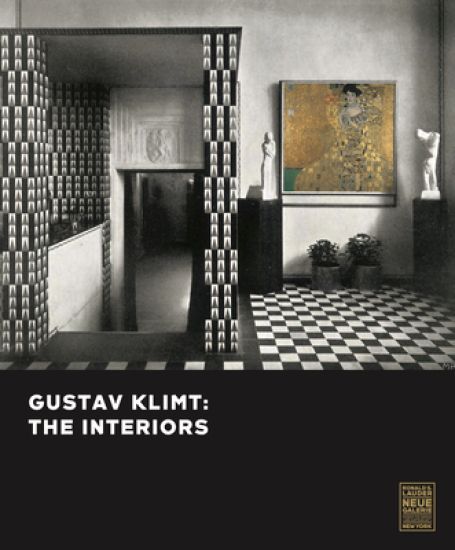
Interior design was supremely important to Gustav Klimt, and many of his paintings were created for specific settings or spaces. This aspect of Klimt’s practice comes beautifully to life in this book that illustrates how some of the artist’s most beloved canvases appeared in situ—in private dining rooms and salons, galleries, museums, and public exhibition spaces. Works such as the portraits of Emilie Flöge and Hermine Gallia, the shocking Nuda Veritas, and landscapes A Morning by the Pond and The Tall Poplar I are presented in double-page spreads. Full-color reproductions of paintings by Klimt are juxtaposed with blackand- white vintage photographs of the original interiors with the featured paintings overlaid in color. Thoughtful and personal texts by Klimt scholar Tobias Natter accompany each spread, providing invaluable contextual insight about how these pictures were conceived as part of the interior design of their respective rooms and spaces, and the passionate collectors who first owned these pictures. Meticulously produced and packaged, this book provides a refreshing perspective on Klimt’s oeuvre and artistic vision.
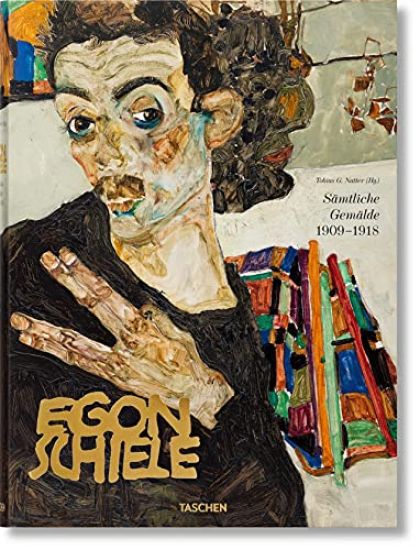
A century after his death, Egon Schiele continues to stun with his contorted lines, distorted bodies, and eroticism. Derived from the best-selling XXL edition for which many works were newly photographed, this book presents the complete catalogue of Schiele paintings from 1909â??18, the fertile last decade of his life, with nearly 600 illustrations, expert insights and Schieleâ??s personal writings.
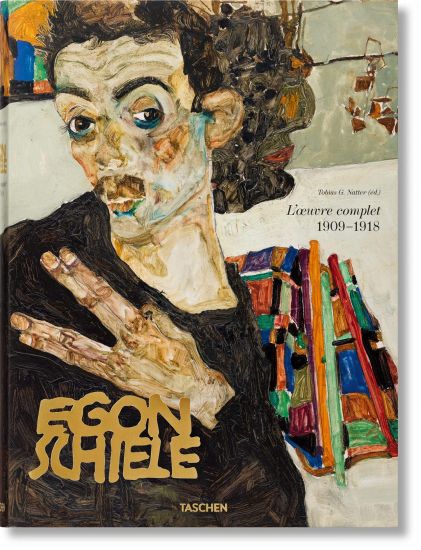
After Egon Schiele (1890–1918) freed himself from the shadow of his mentor and role model Gustav Klimt, he had just ten years to inscribe his signature style into the annals of modernity before the Spanish flu claimed his life. Being a child prodigy quite aware of his own genius and a passionate provocateur, this didn’t prove to be too big a challenge. His haggard, overstretched figures, drastic depiction of sexuality, and self-portraits in which he staged himself with emaciated facial expressions bordering between brilliance and madness had none of the decorative quality of Klimt’s hymns of love, eroticism, and yearning devotion. Instead, Schiele’s work spoke of a brutal honesty, one that would upset and irreversibly change Viennese society. Although his works were later defamed as “degenerate” and for a time were almost forgotten altogether, they influenced generations of artists—from Günter Brus and Francis Bacon to Tracey Emin. Today, his formerly misunderstood oeuvre continues to fetch exorbitant prices on the international art market. Derived from the best-selling XXL edition for which many works were newly photographed, this definitive book retraces the fertile last decade of Schiele’s life in nearly 600 illustrations. The 221 paintings and 146 drawings are accompanied by excerpts from Schiele’s countless writings and poems, as well as essays introducing his life and oeuvre, to situate the Austrian master in the context of European Expressionism and trace his extraordinary legacy.
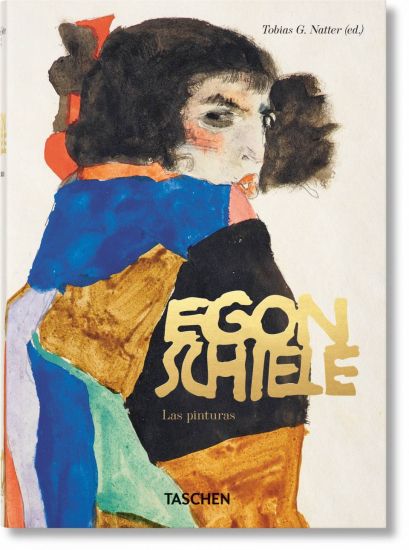
After Egon Schiele (1890–1918) freed himself from the shadow of his mentor and role model Gustav Klimt, he had just ten years to inscribe his signature style into the annals of modernity before the Spanish flu claimed his life. Being a child prodigy quite aware of his own genius and a passionate provocateur, this didn’t prove to be too big a challenge. His haggard, overstretched figures, extreme depiction of sexuality and self-portraits, in which he staged himself with emaciated facial expressions bordering between brilliance and madness, had none of the decorative quality of Klimt’s hymns of love, sexuality and yearning devotion. Instead, Schiele’s work spoke of a brutal honesty, one that would upset and irreversibly change Viennese society. Although his works were later defamed as “degenerate” and for a time were almost forgotten altogether, they influenced generations of artists—from Günter Brus and Francis Bacon to Tracey Emin. Today, his then misunderstood oeuvre continues to fetch exorbitant prices on the international art market. This monograph features the paintings and drawings that retrace the fertile last decade of Schiele’s life. These works are accompanied by essays introducing his life and oeuvre, situating the Austrian master in the context of European Expressionism and charting his extraordinary legacy.
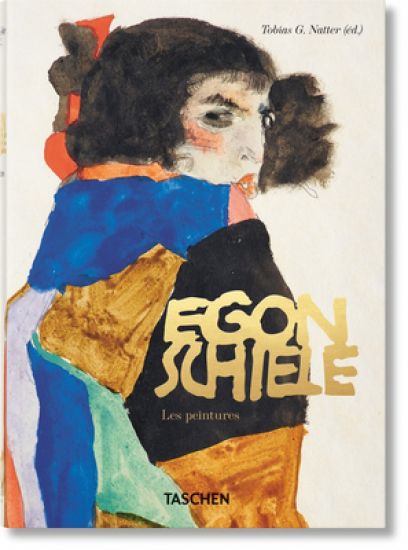
After Egon Schiele (1890–1918) freed himself from the shadow of his mentor and role model Gustav Klimt, he had just ten years to inscribe his signature style into the annals of modernity before the Spanish flu claimed his life. Being a child prodigy quite aware of his own genius and a passionate provocateur, this didn’t prove to be too big a challenge. His haggard, overstretched figures, extreme depiction of sexuality and self-portraits, in which he staged himself with emaciated facial expressions bordering between brilliance and madness, had none of the decorative quality of Klimt’s hymns of love, sexuality and yearning devotion. Instead, Schiele’s work spoke of a brutal honesty, one that would upset and irreversibly change Viennese society. Although his works were later defamed as “degenerate” and for a time were almost forgotten altogether, they influenced generations of artists—from Günter Brus and Francis Bacon to Tracey Emin. Today, his then misunderstood oeuvre continues to fetch exorbitant prices on the international art market. This monograph features the paintings and drawings that retrace the fertile last decade of Schiele’s life. These works are accompanied by essays introducing his life and oeuvre, situating the Austrian master in the context of European Expressionism and charting his extraordinary legacy.
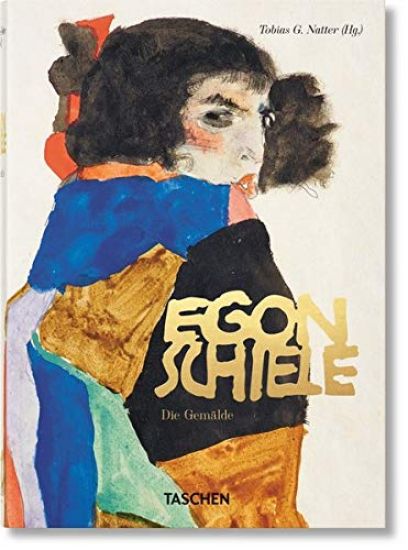
With his revolutionary and liberated view of the naked body and sexuality, Egon Schiele emphatically wrote himself into the history of art at the beginning of the last century. Even today, the women and self-portraits painted by the enfant terrible of the Viennese modern age still have an exciting and bold effect. They were all created during the last decade of his short life.
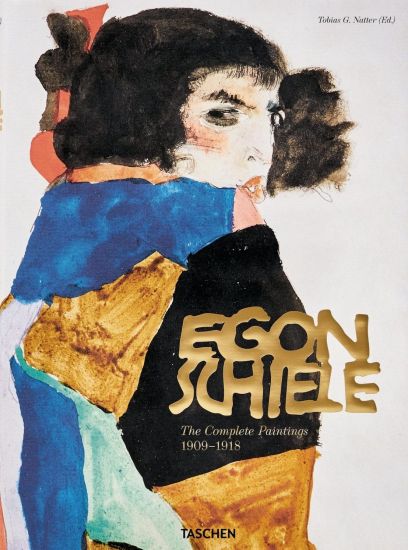
Egon Schiele. The Paintings. 45th Ed.
Tobias G. Natter
Taschen GmbH
2020
sidottu
Halvin toimitettuna 29,20 €
After Egon Schiele (1890–1918) freed himself from the shadow of his mentor and role model Gustav Klimt, he had just ten years to inscribe his signature style into the annals of modernity before the Spanish flu claimed his life. Being a child prodigy quite aware of his own genius and a passionate provocateur, this didn’t prove to be too big a challenge. His haggard, overstretched figures, extreme depiction of sexuality and self-portraits, in which he staged himself with emaciated facial expressions bordering between brilliance and madness, had none of the decorative quality of Klimt’s hymns of love, sexuality and yearning devotion. Instead, Schiele’s work spoke of a brutal honesty, one that would upset and irreversibly change Viennese society. Although his works were later defamed as “degenerate” and for a time were almost forgotten altogether, they influenced generations of artists—from Günter Brus and Francis Bacon to Tracey Emin. Today, his then misunderstood oeuvre continues to fetch exorbitant prices on the international art market. This monograph features the paintings and drawings that retrace the fertile last decade of Schiele’s life. These works are accompanied by essays introducing his life and oeuvre, situating the Austrian master in the context of European Expressionism and charting his extraordinary legacy.
Gustav Klimt. Complete Paintings
Tobias G. Natter
Taschen GmbH
2018
sidottu
Halvin toimitettuna 28,50 €
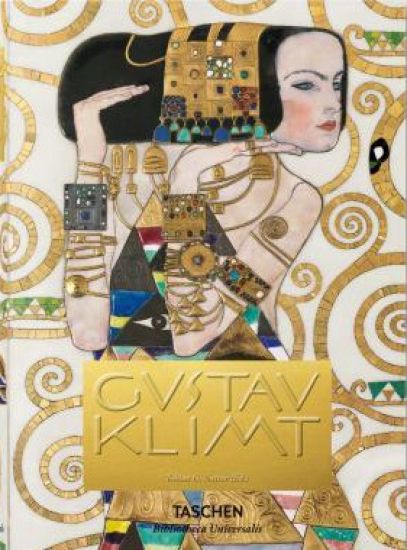
A century after his death, Viennese artist Gustav Klimt (1862-1918) still startles with his unabashed eroticism, dazzling surfaces, and artistic experimentation. In this neat, dependable monograph, we gather all of Klimt's major works alongside authoritative art historical commentary and privileged archival material from Klimt's own archive to trace the evolution of his astonishing oeuvre. With top-quality illustration, including new photography of the celebrated Stoclet Frieze, the book follows Klimt through his prominent role in the Secessionist movement of 1897, his candid rendering of the female body, and his lustrous "golden phase" when gold leaf brought a shimmering tone and texture to such beloved works as The Kiss and Portrait of Adele Bloch-Bauer I, also known as The Woman in Gold.
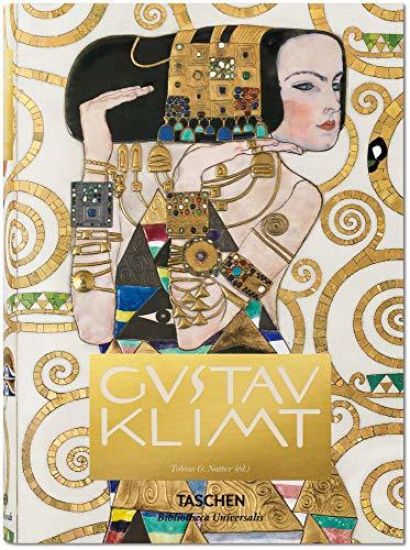
Fall under the spell of Gustav Klimt. Over a century after his death, Viennese artist Gustav Klimt (1862–1918) still startles with his unabashed eroticism, dazzling surfaces, and artistic experimentation. In this neat, dependable monograph, we gather all of Klimt's paintings alongside authoritative art historical commentary and privileged archival material from Klimt’s own archive to trace the evolution of his astonishing oeuvre. With top-quality illustration, including new photography of the celebrated Stoclet Frieze, the book follows Klimt through his prominent role in the Secessionist movement of 1897, his candid rendering of the female body, and his lustrous “golden phase” when gold leaf brought a shimmering tone and texture to such beloved works as The Kiss and Portrait of Adele Bloch-Bauer I, also known as The Woman in Gold.
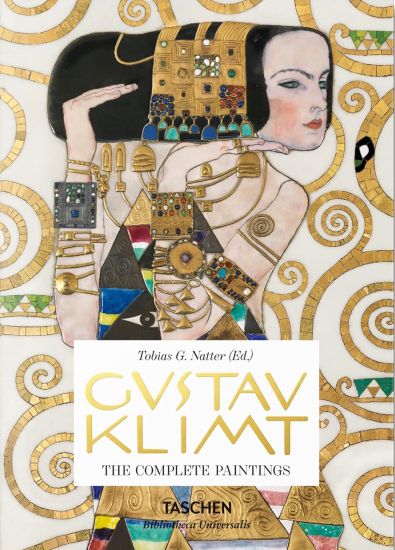
Gustav Klimt is the superstar of the Vienna Secession. He made a mark on the movement like no other painter. His symbolist, allegorical depictions and erotically decadent portraits of women have come to embody the fin de siècle. Discover all of Klimtâ??s paintings as well as excellent detail shots of the famous Stoclet Frieze.
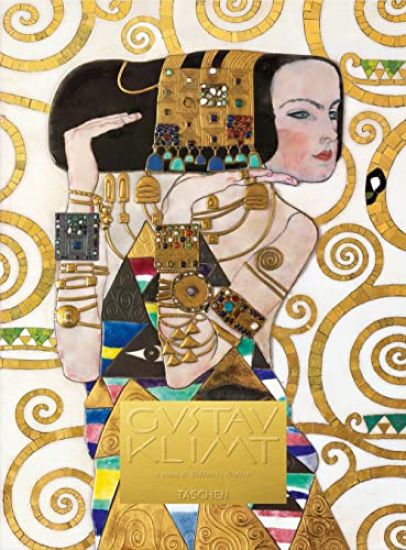
Over a century after his death, Viennese artist Gustav Klimt (1862–1918) still startles with his unabashed eroticism, dazzling surfaces, and artistic experimentation. This monograph gathers all of Klimt’s major works alongside authoritative art historical commentary and privileged access to the artist’s archive. With top quality illustration, including new photography of the celebrated Stoclet Frieze, the book follows Klimt through his prominent role in the Secessionist movement of 1897, his candid rendering of the female body, and his lustrous “golden phase” when gold leaf brought a shimmering tone and texture to such beloved works as The Kiss and Portrait of Adele Bloch-Bauer I, also known as The Woman in Gold. Through luminous spreads and carefully curated details, the monograph traces the repertoire of Japanese, Byzantine, and allegorical stimuli that informed Klimt’s flattened perspectives, his symbolic vocabulary, and his mosaic-like textures. Drawing upon contemporary critics and voices, the book also examines the art world’s polarized reception to Klimt’s pictures as much as his own stylistic trajectory. From his landscape painting to erotic works to the controversial ceiling for the Great Hall of the University of Vienna, we see how Klimt’s admixture of tradition and daring divided the press and public—becried by some as a pornographer, hailed by others as a modern maestro.
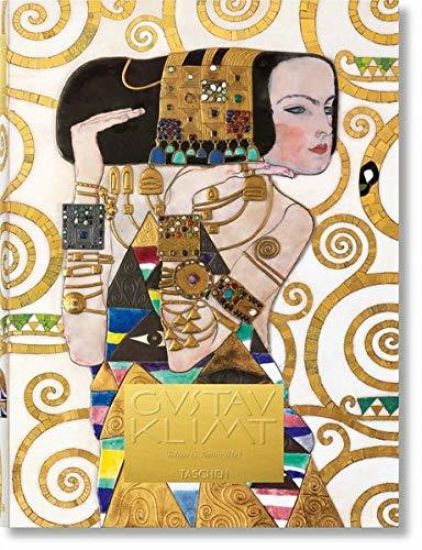
Fall under the spell of Gustav Klimt. The complete catalogue of his paintings, including new photographs of the Stoclet Frieze, this book follows the Viennese master through his prominent role in the Secessionist movement, his candid rendering of the female body, and the lustrous â??golden phaseâ? behind such shimmering works as The Kiss and Portrait of Adele Bloch-Bauer I.
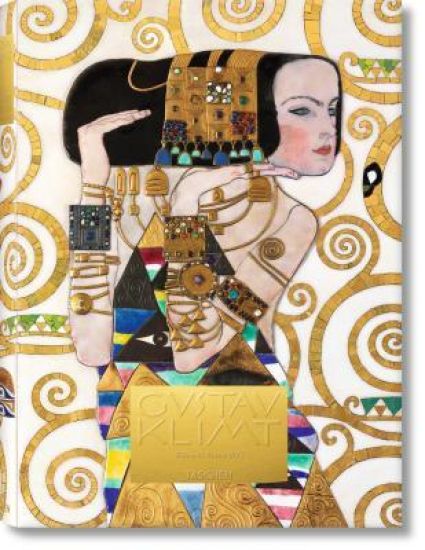
Gustav Klimt. The Complete Paintings
Tobias G. Natter
Taschen GmbH
2017
sidottu
Halvin toimitettuna 78,60 €
Over a century after his death, Viennese artist Gustav Klimt (1862–1918) still startles with his unabashed eroticism, dazzling surfaces, and artistic experimentation. This monograph gathers all of Klimt’s major works alongside authoritative art historical commentary and privileged access to the artist’s archive. With top quality illustration, including new photography of the celebrated Stoclet Frieze, the book follows Klimt through his prominent role in the Secessionist movement of 1897, his candid rendering of the female body, and his lustrous “golden phase” when gold leaf brought a shimmering tone and texture to such beloved works as The Kiss and Portrait of Adele Bloch-Bauer I, also known as The Woman in Gold. Through luminous spreads and carefully curated details, the monograph traces the repertoire of Japanese, Byzantine, and allegorical stimuli that informed Klimt’s flattened perspectives, his symbolic vocabulary, and his mosaic-like textures. Drawing upon contemporary critics and voices, the book also examines the art world’s polarized reception to Klimt’s pictures as much as his own stylistic trajectory. From his landscape painting to erotic works to the controversial ceiling for the Great Hall of the University of Vienna, we see how Klimt’s admixture of tradition and daring divided the press and public—becried by some as a pornographer, hailed by others as a modern maestro.
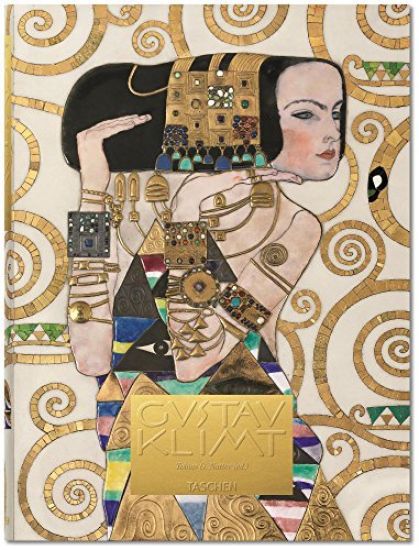
Over a century after his death, Viennese artist Gustav Klimt (1862–1918) still startles with his unabashed eroticism, dazzling surfaces, and artistic experimentation. This monograph gathers all of Klimt’s major works alongside authoritative art historical commentary and privileged access to the artist’s archive. With top quality illustration, including new photography of the celebrated Stoclet Frieze, the book follows Klimt through his prominent role in the Secessionist movement of 1897, his candid rendering of the female body, and his lustrous “golden phase” when gold leaf brought a shimmering tone and texture to such beloved works as The Kiss and Portrait of Adele Bloch-Bauer I, also known as The Woman in Gold. Through luminous spreads and carefully curated details, the monograph traces the repertoire of Japanese, Byzantine, and allegorical stimuli that informed Klimt’s flattened perspectives, his symbolic vocabulary, and his mosaic-like textures. Drawing upon contemporary critics and voices, the book also examines the art world’s polarized reception to Klimt’s pictures as much as his own stylistic trajectory. From his landscape painting to erotic works to the controversial ceiling for the Great Hall of the University of Vienna, we see how Klimt’s admixture of tradition and daring divided the press and public—becried by some as a pornographer, hailed by others as a modern maestro.
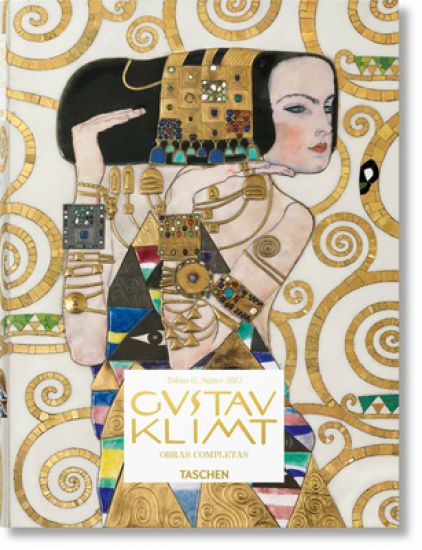
Over a century after his death, Viennese artist Gustav Klimt (1862–1918) still startles with his unabashed eroticism, dazzling surfaces, and artistic experimentation. This monograph gathers all of Klimt’s major works alongside authoritative art historical commentary and privileged access to the artist’s archive. With top quality illustration, including new photography of the celebrated Stoclet Frieze, the book follows Klimt through his prominent role in the Secessionist movement of 1897, his candid rendering of the female body, and his lustrous “golden phase” when gold leaf brought a shimmering tone and texture to such beloved works as The Kiss and Portrait of Adele Bloch-Bauer I, also known as The Woman in Gold. Through luminous spreads and carefully curated details, the monograph traces the repertoire of Japanese, Byzantine, and allegorical stimuli that informed Klimt’s flattened perspectives, his symbolic vocabulary, and his mosaic-like textures. Drawing upon contemporary critics and voices, the book also examines the art world’s polarized reception to Klimt’s pictures as much as his own stylistic trajectory. From his landscape painting to erotic works to the controversial ceiling for the Great Hall of the University of Vienna, we see how Klimt’s admixture of tradition and daring divided the press and public—becried by some as a pornographer, hailed by others as a modern maestro.
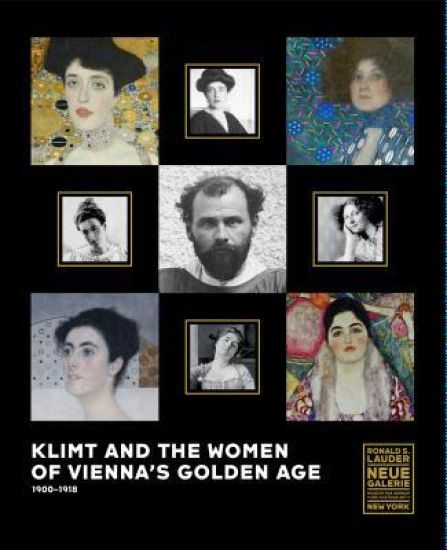
This authoritative and generously illustrated book highlights Gustav Klimt s portrayals of women in his work. Klimt was a central figure in Vienna at the turn of the twentieth century, and a crucial link between nineteenth-century Symbolism and Modernism. His sensual portrayals of women are among his most celebrated works and the focus of this book. Highlights of the publication include Klimt's most important society portraits, such as Serena Lederer (1899); Gertrud Loew (1902); Adele Bloch-Bauer I (1907); Ma da Primavesi (1913); Elisabeth Lederer (1914 16); and Ria Munk III (1917). These works cover the gamut of Klimt's portrait style, from his early ethereal works influenced by Symbolism and the Pre-Raphaelite movement to his so-called "golden style," as well as his almost Fauvist depictions. These art works are complemented by preparatory Klimt sketches and decorative arts from the Wiener Werksta tte. "
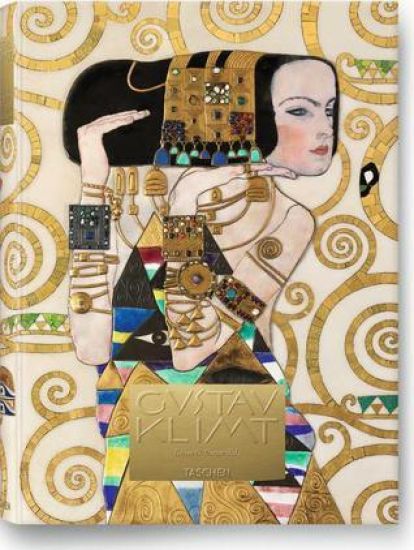
Over a century after his death, Viennese artist Gustav Klimt (1862–1918) still startles with his unabashed eroticism, dazzling surfaces, and artistic experimentation. This monograph gathers all of Klimt’s major works alongside authoritative art historical commentary and privileged access to the artist’s archive. With top quality illustration, including new photography of the celebrated Stoclet Frieze, the book follows Klimt through his prominent role in the Secessionist movement of 1897, his candid rendering of the female body, and his lustrous “golden phase” when gold leaf brought a shimmering tone and texture to such beloved works as The Kiss and Portrait of Adele Bloch-Bauer I, also known as The Woman in Gold. Through luminous spreads and carefully curated details, the monograph traces the repertoire of Japanese, Byzantine, and allegorical stimuli that informed Klimt’s flattened perspectives, his symbolic vocabulary, and his mosaic-like textures. Drawing upon contemporary critics and voices, the book also examines the art world’s polarized reception to Klimt’s pictures as much as his own stylistic trajectory. From his landscape painting to erotic works to the controversial ceiling for the Great Hall of the University of Vienna, we see how Klimt’s admixture of tradition and daring divided the press and public—becried by some as a pornographer, hailed by others as a modern maestro.
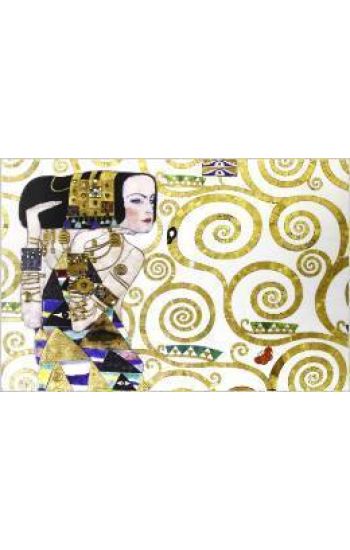
Over a century after his death, Viennese artist Gustav Klimt (1862–1918) still startles with his unabashed eroticism, dazzling surfaces, and artistic experimentation. This monograph gathers all of Klimt’s major works alongside authoritative art historical commentary and privileged access to the artist’s archive. With top quality illustration, including new photography of the celebrated Stoclet Frieze, the book follows Klimt through his prominent role in the Secessionist movement of 1897, his candid rendering of the female body, and his lustrous “golden phase” when gold leaf brought a shimmering tone and texture to such beloved works as The Kiss and Portrait of Adele Bloch-Bauer I, also known as The Woman in Gold. Through luminous spreads and carefully curated details, the monograph traces the repertoire of Japanese, Byzantine, and allegorical stimuli that informed Klimt’s flattened perspectives, his symbolic vocabulary, and his mosaic-like textures. Drawing upon contemporary critics and voices, the book also examines the art world’s polarized reception to Klimt’s pictures as much as his own stylistic trajectory. From his landscape painting to erotic works to the controversial ceiling for the Great Hall of the University of Vienna, we see how Klimt’s admixture of tradition and daring divided the press and public—becried by some as a pornographer, hailed by others as a modern maestro.