

Kirjailija
Tobias Smollett
Kirjat ja teokset yhdessä paikassa: 155 kirjaa, julkaisuja vuosilta 1771–2025, suosituimpiin kuuluu The Miscellaneous Works Of Tobias Smollett, M.d.. Vertaile teosten hintoja ja tarkista saatavuus suomalaisista kirjakaupoista.
155 kirjaa
Kirjojen julkaisuvuodet: 1771–2025.


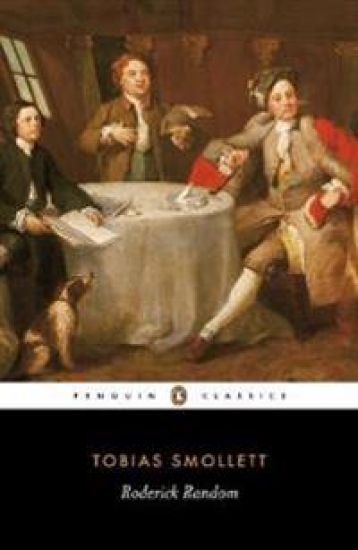
Roderick is combative, often violent, but capable of great affection and generosity. His father had been disinherited and has left Scotland leaving his son penniless. After a brief apprenticeship to a surgeon, the innocent Roderick travels to London where he encounters various rogues.
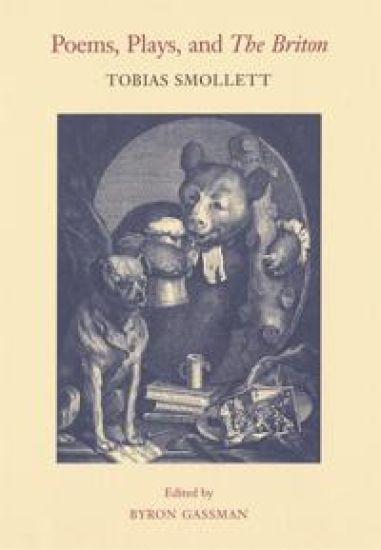
The poems, plays, and political writings included in this volume are essential to an understanding of Tobias Smollett and the literary and social currents of eighteenth-century England. In introductions to the separate sections of the volume, Byron Gassman identifies the circumstances that prompted Smollett to undertake these writings, traces the history of their publication and reception, and provides extensive explanations of historical and literary allusions. The poems in the volume represent Smollett's entire achievement as a poet. Among the shorter poems are "A New Song," his first printed work; "The Tears of Scotland," an early expression of his defiant spirit; and the popular "Ode to Independence," written during the last decade of his life. Two longer works, "Advice" (1746) and its sequel, "Reproof" (1747), are satires written in Popean heroic couplets; they mark the beginnings of Smollett's attacks on theater managers, corrupt politicians, iniquitous military leaders, and other well-known personalities of the day. An appendix to this volume includes five additional poems assigned but not definitely attributed to Smollett. The Reprisal; or The Tars of Old England and The Regicide are the only extant plays by Smollett. The Regicide, written when the author was only eighteen or nineteen, dramatizes the story of the murder of James I of Scotland. The Reprisal, a patriotic comedy performed as an afterpiece at the Theatre Royal, was a moderate theatrical success. Smollett's political writings for The Briton, a weekly journal he established in 1762 for defending the policies of the Earl of Bute, mark a particularly painful period in the author's life. A paper war erupted with the first number, and Smollett and Bute became the objects of scathing counterattacks, particularly in the writings of John Wilkes. This volume brings together for the first time all issues of The Briton and also includes a key identifying the weekly's numerous elliptical references to persons and places.
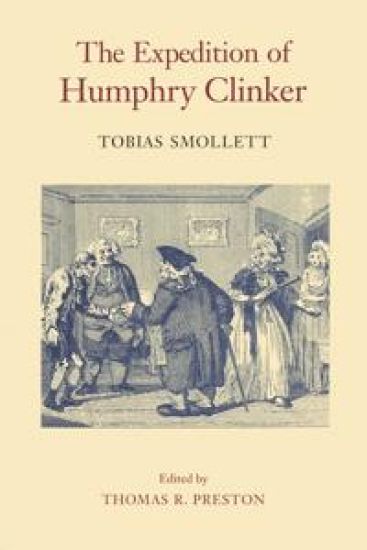
The Expedition of Humphry Clinker, Tobias Smollett's last published novel and most celebrated work, appeared in June 1771, three months before the author's death. A classic in the history of the English novel, it takes the form of a collection of letters written by various members of Mr. Matthew Bramble's family (for whom Humphry Clinker is a general servant) during their eight months of travel in England and Scotland in the 1760s. The wanderings of the Bramble party result in a series of amusing adventures and episodes, unfolding within the main plot in which the eccentric and contentious characters—"originals" as Bramble's nephew calls them—discover the sources of true happiness. In this work, Smollett realized two long-standing artistic goals—a harmonious fusion of satire and comedy and, through the deliberate intertwining of historical and contrived details, a portrayal of the world as constructed from both fiction and fact. In achieving the latter, Smollett was aided by the novel's form, for the epistolary style of travel books in his day set a precedent for the extensive commentary on incidents, experiences, people, and places in Humphry Clinker and allowed him to relate the same stories through multiple points of view. Much of the continuing appeal of the novel can be traced to the gossipy insights found in its mass of historical, biographical, economic, political, social, geographical, and topographical details. One meets, for example, Smollett's version of such historical personages as William Pitt, James Quin, and the Duke of Newcastle, as well as fictionalized versions of Smollett's own friends and enemies. Even minor characters are often taken directly from history. In addition, the book includes numerous quotations from and allusions to the Bible, earlier and contemporary literature, the Book of Common Prayer, medical matter, and proverbial lore. This edition of Humphry Clinker includes illustrations by George Cruikshank and Thomas Rowlandson and is the first scholarly edition to feature a comprehensive introduction, exhaustive textual editing, and detailed notes that cite passages from Smollett's nonfictional works and the works of his contemporaries to analyze the mass of allusions and references in the novel. Thomas R. Preston's introduction discusses the composition, publication, and early reception of Humphry Clinker, the crucial importance of money in the narrative and its revelation of character, and Smollett's use of language and dialect.
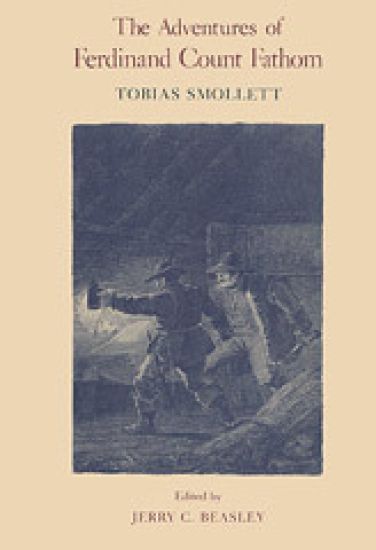
The first novel by a major English writer that is devoted to a thoroughgoing portrait of villainy, The Adventures of Ferdinand Count Fathom chronicles the life of an aberrant criminal character. Filled with striking satiric thrusts at the legal, medical, and military establishments of mid-eighteenth-century Europe and England, the novel reveals Tobias Smollett's capacities as a commentator on contemporary life. First published in 1753, Ferdinand Count Fathom is an experimental work that explores the relations between history and fiction and introduces, for the first time in the English novel, episodes of Gothic melodrama. Too long neglected and never before available in a carefully prepared scholarly edition, Ferdinand Count Fathom may now be read, understood, and appreciated against the literary and historical background of the eighteenth-century world.
A scholarly edition of a work by Tobias Smollett. The edition presents an authoritative text, together with an introduction, commentary notes, and scholarly apparatus.


The Expedition of Humphry Clinker was the last of the picaresque novels of Tobias Smollett, published in London on 17 June 1771 (three months before Smollett's death), and is considered by many to be his best and funniest workIt was printed in 1771 as an epistolary novel and includes a number of letters written between various characters to one another. The novel is both amusing and sarcastic and provides a glimpse of 18th century British society.