Kirjojen hintavertailu – 12 903 733 kirjaa ja 27 kauppaa

Kirjailija

Tom Allen

Kirjat ja teokset yhdessä paikassa: 28 kirjaa, julkaisuja vuosilta 2000–2027, suosituimpiin kuuluu Jacob's Family Drama. Vertaile teosten hintoja ja tarkista saatavuus suomalaisista kirjakaupoista.

28 kirjaa

Kirjojen julkaisuvuodet: 2000–2027.

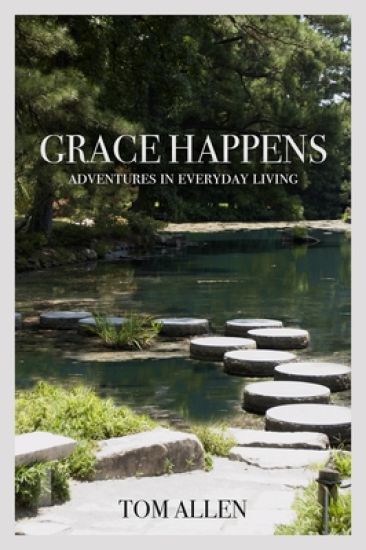
Grace Happens

Grace Happens

Tom Allen

Carpenter's Son Publishing
2017
pokkari
It's all grace: fender-benders, being told to stay after school, calling 911, 12-step groups, the Easter goat, forgetting your suit for the wedding--even sticking your finger in the electric outlet. Come along on a newspaper columnist's adventures, both whimsical and serious, as he attempts to spot glimpses of the grace that surrounds us every day. If we have eyes to see, ears to hear, and a heart that's at least a little bit open, grace can turn up in the most unexpected ways and places. We can sense God's presence. And it almost always brings a smile, even if paramedics are involved.
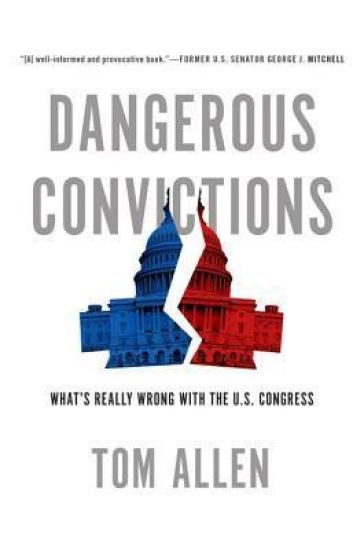
Dangerous Convictions

Dangerous Convictions

Tom Allen

Oxford University Press Inc
2014
nidottu
The rhetoric of the 2012 presidential campaign exposed the deeply rooted sources of political polarization in American. One side celebrated individualism and divided the public into "makers and takers;" the other preached "better together" as the path forward. Both focused their efforts on the "base" not the middle. In Dangerous Convictions, former Democratic Congressman Tom Allen argues that what's really wrong with Congress is the widening, hardening conflict in worldviews that leaves the two parties unable to understand how the other thinks about what people should do on their own and what we should do together. Members of Congress don't just disagree, they think the other side makes no sense. Why are conservatives preoccupied with cutting taxes, uninterested in expanding health care coverage and in denial about climate change? What will it take for Congress to recover a capacity for pragmatic compromise on these issues? Allen writes that we should treat self-reliance (the quintessential American virtue) and community (our characteristic instinct to cooperate) as essential balancing components of American culture and politics, instead of setting them at war with each other. Combining his personal insights from 12 years In Congress with recent studies of how human beings form their political and religious views, Allen explains why we must escape the grip of our competing worldviews to enable Congress to work productively on our 21st century challenges.
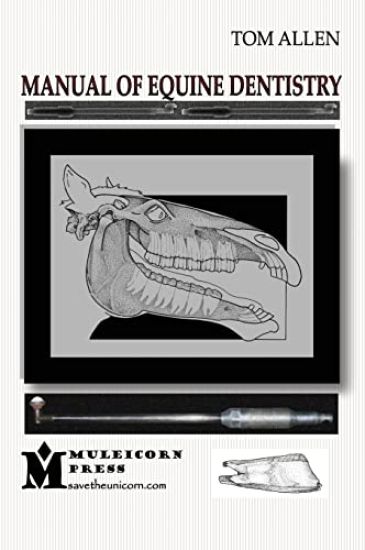
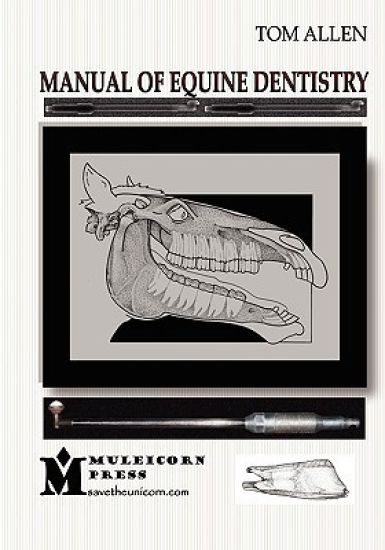
Manual of Equine Dentistry

Manual of Equine Dentistry

Tom Allen

Muleicorn Press
2008
sidottu
This is a detailed, step-by-step instructional text for performing basic equine dental procedures. An easy-to-follow progression from basic concepts to more advanced dental procedures and techniques are described. 378 photographs and line drawings illustrate important concepts for visual clarity. Routine dental health maintenance and preventive care are emphasized for managing your practice or business. Safety, assessment, extractions and special procedures are outlined and illustrated. Sources for instruments, purchasing and maintaining dental equipment make this a very good instructional guide.
Property and The Human Rights Act 1998
By giving further effect to the European Convention on Human Rights,the Human Rights Act 1998 has had a significant effect on property law. Article 1 of the First Protocol to the Convention is particularly important, as it protects against the interference with the enjoyment of possessions. Compulsory acquisition, insolvency, planning, taxation, environmental regulation, and landlord and tenant laws are just some of the fields where the British and European courts have already had to assess the impact of the Protocol on private property. The Human Rights Act 1998 also restricts the scope of property rights, as some Convention rights conflict with rights of private property. For example, the Article 8 right to respect for the home has been used to protect against environmental harm, in some cases at the expense of property and economic rights. This book seeks to provide a structured approach to the extensive case law of the European Court of Human Rights and the UK courts on these issues, and to provide guidance on the direction the law is likely to take in future. Chapters cover the history and drafting of the relevant Convention rights, the scope and structure of the rights (especially Article 1 of the First Protocol), and how, through the Human Rights Act 1998, the Convention rights have already affected and are likely to affect developments in selected areas of English law.

Over the Wall

Over the Wall

Tom Allen

Authorhouse
2005
nidottu
Churches all over the world are grappling with the subject of homosexuality. They want to "love the sinner but hate the sin." Unfortunately, "hating the sin" is the focus of most church-sanctioned discussions of the issue. The message: gays and lesbians are not welcome in mainstream churches unless they "straighten up." But an enlightened, open-minded study of the Bible does not support the conclusion that homosexuality is so terrible or that homosexuals should be excluded from the church. Over the Wall examines the Bible passages most often used to condemn gays and lesbians and dispells the condemnation myth. In simple, easy-to-understand language, this book encourages readers to reframe this issue as all Christian issues should be: on the individual's relationship with Jesus Christ.
The Right to Property in Commonwealth Constitutions

The Right to Property in Commonwealth Constitutions

Tom Allen

Cambridge University Press
2000
sidottu
The right to property is an important part of most Commonwealth constitutions. This book examines the evolution of right to property and the changing trends in their interpretation by the courts. A number of specific issues are examined closely: • Which interests are constitutionally protected as ‘property’? • When does the regulation of property amount to an acquisition of property? • Are there limits on the purposes for which states may take the property of their subjects? • What are the rules regarding compensation for property? The analysis is both practical and theoretical, and it should be useful to both academic and practising lawyers.