
Kirjailija
Tom Barry
Kirjat ja teokset yhdessä paikassa: 4 kirjaa, julkaisuja vuosilta 1990–2025, suosituimpiin kuuluu For Richer, For Poorer. Vertaile teosten hintoja ja tarkista saatavuus suomalaisista kirjakaupoista.
4 kirjaa
Kirjojen julkaisuvuodet: 1990–2025.
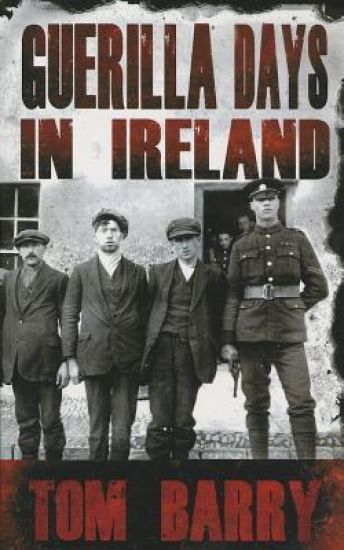
First published in 1949, 'Guerilla Days in Ireland' is an extraordinary story of the Irish War of Independence and the fight between two unequal forces, which ended in the withdrawal of the British from twenty-six counties. Seven weeks before the Truce of July 1921, the British presence in County Cork consisted of a total of over 12,500 men. Against these British forces stood the Irish Republican Army whose flying columns never exceeded 310 riflemen in the whole of the county. These flying columns were small groups of dedicated Volunteers, severely commanded and disciplined. Constantly on the move, their paramount objective was merely to exist, to strike when conditions were favourable and to avoid disaster at all costs. In 'Guerilla Days in Ireland' Tom Barry describes the setting up of the West Cork flying column, its training and the plan of campaign, which he implemented. In particular he gives his account of the Kilmichael ambush, one of the most controversial episodes of the War of Independence.
Since 1980 the United States has increased tenfold its shipments of food to Central America. Supposedly, tis humanitarian aid has alleviated social turmoil and economic underdevelopment in Central America. But has it really been in the best interests of the people it was intended to assist? After nearly two years of research that took them to Guatemala, El Salvador, Honduras, and Costa Rica, Rachel Garst and Tom Barry have concluded that U. S. food shipments and assistance in agricultural development are, in fact, feeding the crisis in Central American, hurting rather than helping. The findings of Garst and Barry are disturbing. They discovered that increased U. S. food aid to Central America is being used to achieve short-term foreign-policy objectives that undercut long-term U. S. interests. The authors reveal that, instead of being allocated on the basis of need, U. S. food aid is being used to support military programs; and that it is distorting Central American economies by reducing production of and prices for local crops, by benefitting agribusiness at the expense of small farmers, and by encouraging new consumption habits that neither family incomes nor national treasuries can sustain. For recipient governments, food aid has become a permanent solution instead of an emergency measure. Garst and Barry charge that the Agency for International Development and U. S. Department of Agriculture are partly to blame for this state of affairs. They make detailed recommendations for changes in the way food aid is administered, changes that are urgently needed to stem the negative social, economic, and political effects of programs that until now have largely been shielded from scrutiny.