Kirjojen hintavertailu – 12 903 725 kirjaa ja 27 kauppaa

Kirjailija

Tom Hinch

Kirjat ja teokset yhdessä paikassa: 6 kirjaa, julkaisuja vuosilta 2007–2018, suosituimpiin kuuluu Sport Tourism Development. Vertaile teosten hintoja ja tarkista saatavuus suomalaisista kirjakaupoista.

6 kirjaa

Kirjojen julkaisuvuodet: 2007–2018.

Sport Tourism Development

Sport Tourism Development

James Higham; Tom Hinch

Channel View Publications
2018
sidottu
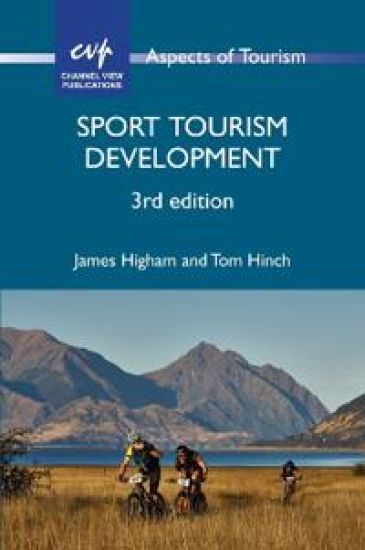
This book critically explores sport-related tourism drawing on the fields of sport management, the sociology of sport, consumer behaviour, sports marketing, economic, urban and sports geography, and tourism studies. It presents multidisciplinary perspectives of sport tourism, as structured by the geographical concepts of space, place and environment. The volume offers a comprehensive update of the discussions presented in the two previous editions, recognising the significant growth in sub-elite participation sports and addresses spectator-based sport events, participation-based sport events, active sport, and sport heritage activities. It aims to advance theoretical thinking on the subject of sport tourism development and critical thinking on the interplay of local and global forces in sport and tourism development. It continues to be an important text for students and researchers in tourism studies, human geography, sports geography, sociology of sport, sports management, sports marketing and history of sport.
Sport Tourism Development

Sport Tourism Development

James Higham; Tom Hinch

Channel View Publications
2018
nidottu
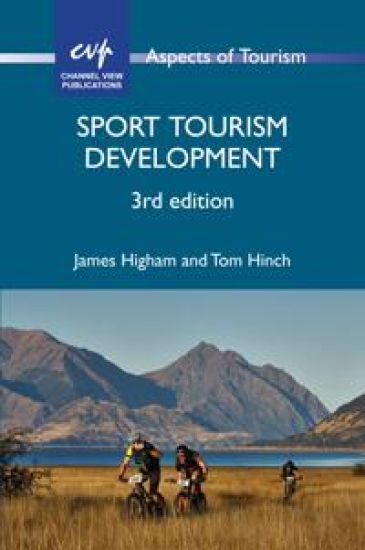
This book critically explores sport-related tourism drawing on the fields of sport management, the sociology of sport, consumer behaviour, sports marketing, economic, urban and sports geography, and tourism studies. It presents multidisciplinary perspectives of sport tourism, as structured by the geographical concepts of space, place and environment. The volume offers a comprehensive update of the discussions presented in the two previous editions, recognising the significant growth in sub-elite participation sports and addresses spectator-based sport events, participation-based sport events, active sport, and sport heritage activities. It aims to advance theoretical thinking on the subject of sport tourism development and critical thinking on the interplay of local and global forces in sport and tourism development. It continues to be an important text for students and researchers in tourism studies, human geography, sports geography, sociology of sport, sports management, sports marketing and history of sport.
Sport and Tourism

Sport and Tourism

James Higham; Tom Hinch

Routledge
2016
sidottu
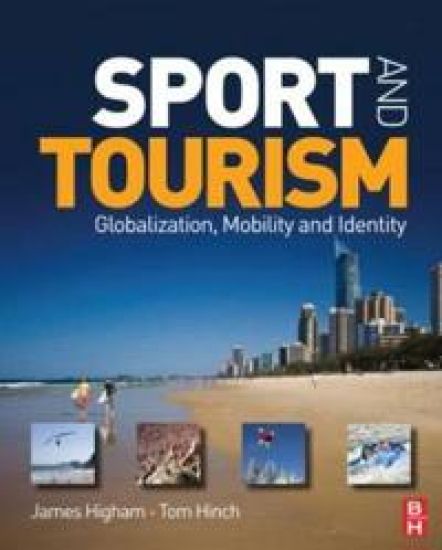
Sport and Tourism: Globalization, Mobility and Identity marks a new era in sport tourism texts. Written by global experts whose previous collaborations have been integral to the development of the field, the book applies key social science concepts and issues relevant to the academic study of sport and tourism. This is a ground-breaking text, which:Critically explores the wider manifestations of sport-related tourism and mobilityAddresses key themes such as globalization, mobility and identityExplores the unique interrelationship that exists in a sport tourism context between activity, people and placeIncludes case studies written by a range of leading scholars from around the worldSet to be the an essential text for any student or academic in the field, this book cements and advances previous studies by building upon existing literature, while extending the field by exploring avenues of study that are yet to be comprehensively addressed. The latest collaboration by internationally renowned authors applies new theoretical perspectives for the advancement of sport tourism.
Tourism and Indigenous Peoples

Tourism and Indigenous Peoples

Richard Butler; Tom Hinch

Routledge
2015
sidottu
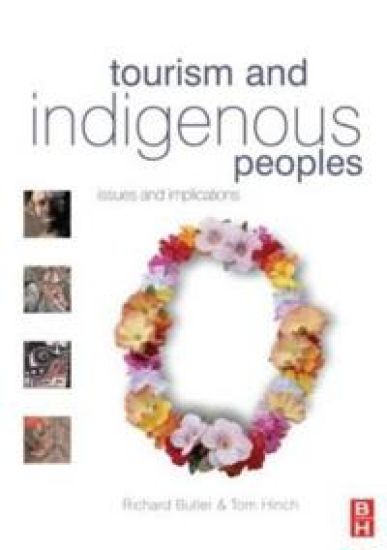
Tourism and Indigenous Peoples is a unique text examining the role of indigenous societies in tourism and how they interact within the tourism nexus. Unlike other publications, this text focuses on the active role that indigenous peoples take in the industry, and uses international case studies and experiences to provide a global context to illustrate best practice and aid comparison. First published over ten years ago the editors, Butler and Hinch, have thoroughly revised and updated the text to bring together a new collection of contributions and case studies from recognised international authors and those with first hand experiences in this area. Divided into five main sections, the text looks at this topic under the following headings: * Involvement: Uses case studies to discuss and compare such as ‘campfire’ programmes in east Africa, and the employment of indigenous peoples as guides, amongst other cases, * Turbulence: Host guest relationships, conflicts on communities and contrasting strategies and results of tourism in indigenous villages in South Africa * Issues: Discusses issues such as authenticity, religious beliefs and managing indigenous tourism in a fragile environment * Progress: Looks at tourism education, tourism and cultural survival and examples of the policy and practice of indigenous tourism. * Conclusions: Five contributions from indigenous people on North America, Australasia and Europe to discuss implications and experiences. Each section uses international case studies from, for example, Australia, New Zealand, Nepal, Namibia, Thailand, Saudi Arabia and South America.
Sport and Tourism

Sport and Tourism

James Higham; Tom Hinch

Butterworth-Heinemann Ltd
2009
nidottu
Sport and Tourism: Globalization, Mobility and Identity marks a new era in sport tourism texts. Written by global experts whose previous collaborations have been integral to the development of the field, the book applies key social science concepts and issues relevant to the academic study of sport and tourism. This is a ground-breaking text, which:Critically explores the wider manifestations of sport-related tourism and mobilityAddresses key themes such as globalization, mobility and identityExplores the unique interrelationship that exists in a sport tourism context between activity, people and placeIncludes case studies written by a range of leading scholars from around the worldSet to be the an essential text for any student or academic in the field, this book cements and advances previous studies by building upon existing literature, while extending the field by exploring avenues of study that are yet to be comprehensively addressed. The latest collaboration by internationally renowned authors applies new theoretical perspectives for the advancement of sport tourism.
Tourism and Indigenous Peoples

Tourism and Indigenous Peoples

Richard Butler; Tom Hinch

Butterworth-Heinemann Ltd
2007
nidottu
Tourism and Indigenous Peoples is a unique text examining the role of indigenous societies in tourism and how they interact within the tourism nexus. Unlike other publications, this text focuses on the active role that indigenous peoples take in the industry, and uses international case studies and experiences to provide a global context to illustrate best practice and aid comparison. First published over ten years ago the editors, Butler and Hinch, have thoroughly revised and updated the text to bring together a new collection of contributions and case studies from recognised international authors and those with first hand experiences in this area. Divided into five main sections, the text looks at this topic under the following headings: * Involvement: Uses case studies to discuss and compare such as ‘campfire’ programmes in east Africa, and the employment of indigenous peoples as guides, amongst other cases, * Turbulence: Host guest relationships, conflicts on communities and contrasting strategies and results of tourism in indigenous villages in South Africa * Issues: Discusses issues such as authenticity, religious beliefs and managing indigenous tourism in a fragile environment * Progress: Looks at tourism education, tourism and cultural survival and examples of the policy and practice of indigenous tourism. * Conclusions: Five contributions from indigenous people on North America, Australasia and Europe to discuss implications and experiences. Each section uses international case studies from, for example, Australia, New Zealand, Nepal, Namibia, Thailand, Saudi Arabia and South America.