Kirjojen hintavertailu – 12 859 824 kirjaa ja 27 kauppaa
Kirjailija
Tom O'Dell
Kirjat ja teokset yhdessä paikassa: 7 kirjaa, julkaisuja vuosilta 2010–2025, suosituimpiin kuuluu Regionauterna : Öresundsregionen från vision till vardag. Vertaile teosten hintoja ja tarkista saatavuus suomalaisista kirjakaupoista.
Gunnar Alsmark; Caroline Beck; Per Olof Berg; Markus Idvall; Orvar Löfgren; Fredrik Nilsson; Tom O'Dell; Per-Markku Ristilammi; Karen Lisa Goldschmidt Salamon; Hanne Sanders; Guje Sevón; Christian Tangkjaer; Jacob Vestergaard
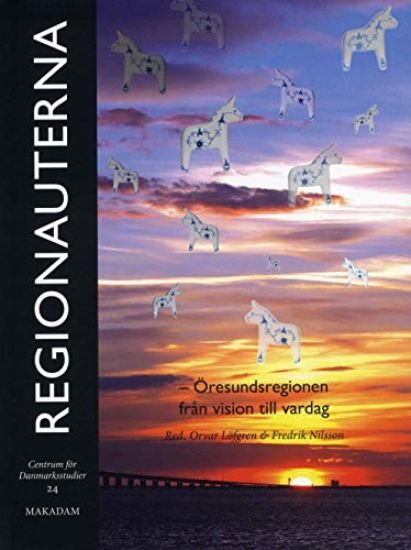
Vad har hänt sedan Öresundsbron invigdes sommaren 2000? Vilka drömmar har slagit in, vilka visioner visade sig orealistiska? Inför broöppningen var otåligheten stor -- äntligen skulle Själland och Sydsverige förenas i en transnationell region. Här ser danska och svenska forskare tillbaka på de första tio åren. Vi får följa hur människors vardag påverkats av brobygget och se för vem regionen är intressant eller ointressant. Vi får möta regionauterna -- de som snabbt lär sig navigera i och använda sig av den nya regionen. Inte minst kan vi lära oss något om det svåra i att förutspå en framtida utveckling. Brons tioåriga historia rymmer många överraskningar.

Jesper Fundberg; Åsa Alftberg; Daniel Bodén; Rikard Engblom; Maja Povrzanovic Frykman; Lizette Gradén; Kristofer Hansson; Elisabeth Högdahl; Markus Idvall; Kim Silow Kallenberg; Finnur Magnússon; Fanny Mäkelä; Tom O'Dell; Oscar Pripp; Ann Runfors; Mikael Vallström Löfgren; Paul Agnidakis; Magnus Öhlander; Maria Zackariasson
Under de senaste decennierna har Sverige genomgått en rad genomgripande förändringar som gjort att många upplever att vårt samhälle har blivit hårdare och mer polariserat. Vad är det som har hänt? På vilka sätt påverkar samtidens förändringar människors vardag och livsvillkor? Med utgångspunkt i fyra teman plats, kategorisering, engagemang och transformationer beskriver boken hur människor upplever dagens Sverige och det svenska. Författarna har gjort intervjuer, deltagande observationer, undersökt mediedebatter, sociala medier och analyserat arkivmaterial. Genom nedslag i olika verkligheter, platser och situationer förmedlas insikter och reflektioner om gemenskap och engagemang. Här berättas både om erfarenheter av polarisering och misstro och om människors tillit till varandra, till politiken och våra samhällsinstitutioner. Bokens skribenter är alla etnologiska forskare och verksamma vid olika lärosäten i Sverige.
Focusing on how museums prioritize and produce content, Hip Heritage demonstrates how economic issues play an ever-larger role in determining how cultural heritage is being framed and presented in contemporary heritage museums. Drawing on ethnographic fieldwork conducted by the authors at seven museums over the course of five years, this book offers an in-depth analysis of heritage museums in Nordic, Scandinavian and North American contexts. It investigates how economic realities, coupled with the cultural contexts in which museums operate, affect how these institutions organize, manage and develop their collections to make themselves relevant in society. Once charged with the primary task of educating citizens about their cultural identity and history, national museums and heritage organizations are also under pressure to rethink their market demands and meet stakeholders’ increasing interest in growing visitor numbers and expanding economic returns. Simultaneously, many museums are part of a cultural sector with diminished public funding and increased competition for the existing financing. Against this background, this book questions: ‘When the budget is tight, whose heritage counts most?’ It considers museums as arenas for heritage politics in action on the local, national and international levels, as well as at the institutional level. Hip Heritage will appeal to scholars and students engaged in the study of ethnology heritage, museum studies, marketing, leisure and tourism, public folklore, and sociology.
Digital self-tracking devices and data have become normal elements of everyday life. Imagining Personal Data examines the implications of the rise of body monitoring and digital self-tracking for how we inhabit, experience and imagine our everyday worlds and futures. Through a focus on how it feels to live in environments where data is emergent, present and characterized by a sense of uncertainty, the authors argue for a new interdisciplinary approach to understanding the implications of self-tracking, which attends to its past, present and possible future. Building on social science approaches, the book accounts for the concerns of scholars working in design, philosophy and human-computer interaction. It problematizes the body and senses in relation to data and tracking devices, presents an accessible analytical account of the sensory and affective experiences of self-tracking, and questions the status of big data. In doing so it proposes an agenda for future research and design that puts people at its centre.
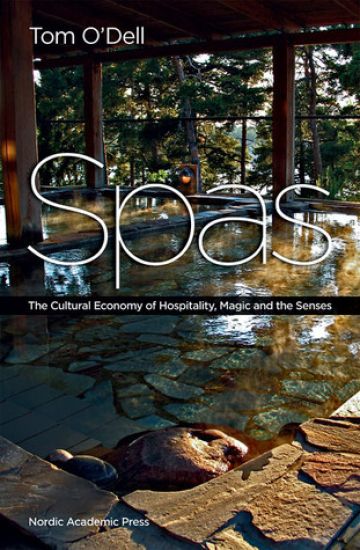
Under senare år har vi sett en snabbt växande näring med fokus på hälsa och välbefinnande. Lugnande upplevelser förpackas, iscensätts och konsumeras som kommersiella varor turistkomplexen har kommit att bli en del av den så kallade kulturekonomin. I Spas the Cultural Economy of Hospitality, Magic and the Senses använder författaren Tom ODell spaanläggningarna för att belysa hur kulturella och ekonomiska processer har sammanvävts över tid. Författaren tar med läsaren på en resa från 1600-talet till idag och visar hur frågor som gästfrihet, välbefinnande och magi har hanterats ur kommersiella perspektiv. ODell förankrar sina studier i en kulturanalys av kroppen och sinnesförnimmelserna som grundar sig på nya perspektiv som har utvecklats inom humanistisk och samhällsvetenskaplig kulturforskning. Recent years have seen a rapidly growing hotel business built around health and well-being. Leisurely experiences are packaged, staged and consumed as commercial commodities the tourist complexes have become part of the so called cultural economy. In Spas the Cultural Economy of Hospitality, Magic and the Senses ethnologist Tom ODell uses spas to highlight the manner in which the culturalization of the economy has developed. The author takes his readers on a journey from the seventeenth century into the present and shows how issues of hospitality, well-being and religious magic have been handled in commercialized settings through history. He also anchors his discussion fi rmly in a cultural analysis of the body and senses that draws upon recent work in cultural theory that has been developed in the humanities and social sciences.