Kirjojen hintavertailu – 12 859 818 kirjaa ja 27 kauppaa
Kirjailija
Tom Spurgeon
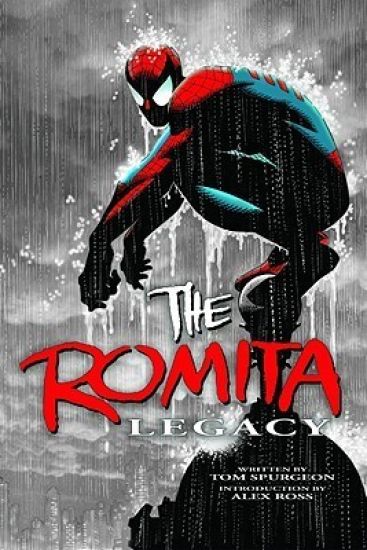
Kirjat ja teokset yhdessä paikassa: 3 kirjaa, julkaisuja vuosilta 2006–2011, suosituimpiin kuuluu Romita LegacyDF ROMITA LEGACY HC ALEX ROSS COVER. Vertaile teosten hintoja ja tarkista saatavuus suomalaisista kirjakaupoista.
While Steve Ditko and Stan Lee may have created Spider-Man, it was John Romita Sr. who defined him, bringing his clean, romantic style of illustration to the book. From his days before Marvel, through the Sliver Age and on into designing and creating the characters we know and love still today (including Wolverine, the Punisher and many, many more), Romita: Generations covers it all.
While Steve Ditko and Stan Lee may have created Spider-Man, it was John Romita Sr. who defined him... Romita came to the book as a replacement for Steve Ditko, bringing his clean, romantic style of illustration to the book. Romita once expected Ditko to return to the book within a few months and when he didn't, history was truly made. A history that is now fully explored by writer Tom Spurgeon and this presentation of the definitive book - lavishly illustrated with classic and unseen art -- starring Jazzy John Romita! From his days before Marvel, through the Sliver Age, and his days designing and creating the characters we know and love still today (including Wolverine, the Punisher and many, many more), Romita: Generations covers it all. Spurgeon's exhaustive interview includes not only Romita Sr., but the second beloved artist in the family, John Romita Jr.! About Tom SpurgeonTom Spurgeon is one of North America's best-known experts on the comic strip and comic book art forms and the industries that service them. The son of a newspaperman in East Central Indiana, Tom and his brothers helped their father select new strips for the paper's comic-book page, making the Muncie Star-Press one of the first publications to carry "Calvin and Hobbes" and "The Far Side," as well as sone of the few to carry "Rudy." After receiving a broad education at Washington and Lee University and a focused one at Garrett seminary on the campus of Northwestern University, Tom worked briefly for QVC, Inc. Drawing on experience in his nepotism-fueled career as a beat writer, editor and entertainment reporter, Tom in 1994 took the position of managing editor at The Comics Journal in Seattle, Washington. Tom edited the Journal for five years, first as managing editor and then as executive editor. During that time, the magazine won multiple industry awards, increased its focus on world comics and encouraged the comics community to see small press and mini-comics as legitimate artistic outlets rather than a training ground for traditionally published works. In forcing the magazine to build on the breadth and depth of its coverage, Tom helped improve the magazine's general mainstream profile as one of American Arts' most unique and valuable publications. When literary comics began to make a major impact in the late 1990s, the Journal was the gateway publication for many editors and writers to understand the phenomenon. Tom also edited the magazine's infamous "Stan Lee issue" (October 1995) and helped launch its popular companion Web site. In 1999, Tom left the magazine to become a freelancer. He remains a columnist, reviewer and occasional newsman for the publication he previously edited. He has written about comics and a variety of arts-related subjects for Suck.com, Feed, The Stranger, and more than a dozen newspapers and regional magazines. From 1999 to 2002, he wrote the critically lauded newspaper comic strip "Wildwood," which enjoyed a daily presence in more than 18 million homes. He currently lives in Silver City, New Mexico.
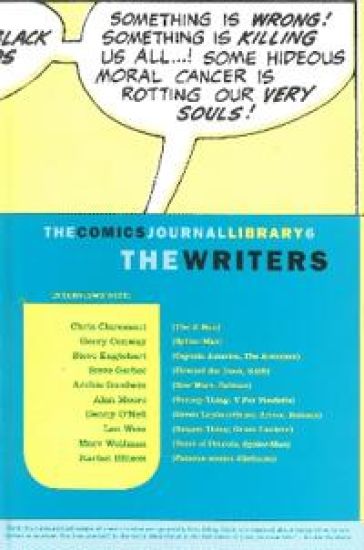
From the cool passion of sci-fi and occasional comics writer Harlan Ellison to the soap opera explorations and genre twisting of X-Men writer Chris Claremont and Howard the Duck creator Steve Gerber, between 1966 and 1985 a generation of writers emerged that changed the face of American comic books forever. Many were fans every bit as much as they were professionals, creative artists working from an understanding of what felt right on the comics page forged by years of close scrutiny above and beyond the final sales figures. Some were tempered by exposure to new waves in cinema, new voices in writing, and new comics from Europe and Japan. Coming to comics at a time when the financial awards were poor and the chance for ownership of what one created was even poorer, these writers breathed new life into the dying icons of the past. Writers like Len Wein, Steve Englehart, Gerry Conway, Harlan Ellison, Marv Wolfman, Denny O'Neil, Mark Evanier, Mike Baron and Alan Moore infused comics like X-Men, Captain America, and Swamp Thing with a progressive social outlook that ran directly in the face of decades of simplistic might-makes-right pseudo-moralizing. Some made their careers in other writing fields but toiled in comics out of a sense of loyalty and passion; others became comic book writers just out of their teens and never left. They were America's comic book children come home. The Comics Journal Library: The Writers celebrates the ascendancy of writer-driven mainstream comic books with a series of revealing, in-depth interviews, many conducted at the height of their influence.