Kirjojen hintavertailu – 12 859 818 kirjaa ja 27 kauppaa

Kirjailija

Tom Woolley

Kirjat ja teokset yhdessä paikassa: 12 kirjaa, julkaisuja vuosilta 1997–2024, suosituimpiin kuuluu Thermal Insulation Materials for Building Applications. Vertaile teosten hintoja ja tarkista saatavuus suomalaisista kirjakaupoista.

12 kirjaa

Kirjojen julkaisuvuodet: 1997–2024.

Thermal Insulation Materials for Building Applications

Thermal Insulation Materials for Building Applications

Eshrar Latif; Rachel Bevan; Tom Woolley

ICE Publishing
2019
nidottu
Modern day buildings are now expected to be low energy or near zero energy to reduce carbon emissions. A key step in making building low energy is to minimise heat transfer through the building fabric with insulation fabrics. However, how can a practitioner choose the most effective fabric for the job in hand? With so many thermal insulation materials on the market and each making claims associated with their performance, it is difficult for a specifier, contractor or an end user to select the insulation material most appropriate for a specific building project. Thermal Insulation Materials for Building Applications aims to address that problem. This book presents the variations, technical details and capabilities of state-of-the-art of thermal insulation materials for building applications. As a single source of information on all aspects of insulation materials, the reader can make an informed choice and select the necessary insulation accordingly. Thermal Insulation Materials for Building Applications includes discussions on various properties of thermal insulation materials such as thermal conductivityheat capacity moisture resistancemoisture adsorption and absorption capacityrole of thermal and hygric mass in dynamic hydrothermal boundary conditionssustainability with regards to insulation materialsembodied and operational energy with regards to insulation materialsbio-based and synthetic insulation materialsdurability of insulation materialsacoustics and insulation materials and economics of insulation materials. It is an essential purchase for any practitioner looking to understand and select the right modern thermal insulation materials for their building project.
Building Materials, Health and Indoor Air Quality
In Building Materials, Health and Indoor Air Quality: Volume 2 Tom Woolley uses new research to continue to advocate for limiting the use of hazardous materials in construction and raise awareness of the links between pollutants found in building materials, poor indoor air quality and health problems. Chapters in this volume reinforce previous arguments and present new ones covering:Further evidence of the health impacts of hazardous emissions from materialsHazardous materials to be avoided and whyFire and smoke toxicity – the Lakanal House and Grenfell Tower legacySub-standard retrofits leading to damp and mould in previously sound housesA critical review of recent reports from UK Government and others on air quality and health problems including policy changes on flame retardantsGrowing evidence of cancer risks and the failure of cancer research organisations to address these issuesA critical review of recent climate change and zero carbon policies and a discussion on whether extreme energy efficiency is a good thingThis book asks some important and, for some, uncomfortable questions, but in doing so it brings to light important areas for research and provides much needed guidance for architects, engineers, construction professionals, students and researchers on hazardous materials and how to reduce their use and design and build healthier buildings for all occupants.
Natural Building Techniques

Natural Building Techniques

Tom Woolley

THE CROWOOD PRESS LTD
2022
nidottu

Halvin toimitettuna 29,80 €

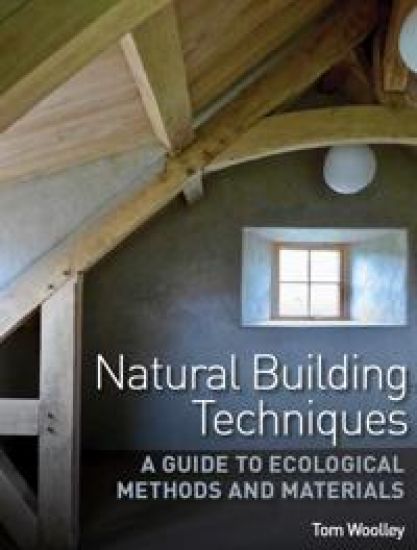
Natural materials are increasingly being valued for their use in a wide range of techniques and solutions, not just for building cabins in the countryside, but also for housing, schools and city structures. As the need to respond to climate change becomes a serious requirement for all building projects, so too does our understanding of how these bio-based and renewable materials can help to reduce carbon emissions. With convincing evidence that natural materials work as well as, if not better than, conventional materials, this helpful guide offers an outline of many of the materials, products and methods of construction that are available, equipping readers with confidence to create healthy, ecological homes. This comprehensive book will be of interest to self-builders, home owners, architects, housing developers and specifiers, as well as environmentalists, eco builders and campaigners who want to reduce the impact of construction on the planet.
Building Materials, Health and Indoor Air Quality
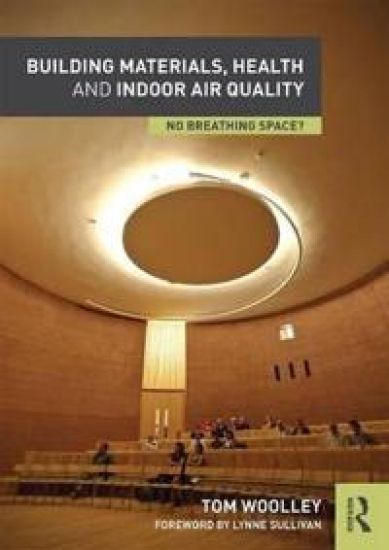
The impact of building materials and construction methods on the health and wellbeing of occupants is often underestimated. This book is an essential guide to understanding and avoiding hazardous materials and poor air quality in buildings. The author covers a range of issues beginning with an explanation of how buildings work and how this influences the health of occupants and users. The text covers:Ventilation, air conditioning and indoor air quality Damp and mould Asthma and respiratory problems Cancer and endocrine disorders Radiation and radon Hazardous building materials used in construction Indoor air quality and emissions Ecological alternatives and approaches and remedies for ‘sick’ buildings The book also guides the reader through the confusing world of regulations, EU and international guidelines and certifications, and provides a critical analysis of different theories of healthy buildings and philosophies. Written in a clear and accessible style, this book provides indispensable advice and information to anyone wishing to better understand healthy buildings and materials. It is essential reading for architects, surveyors, public health professionals, facilities managers and environmentalists.
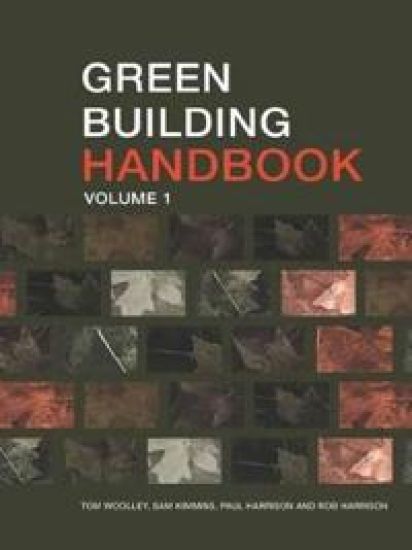
Green Building Handbook: Volume 1

Green Building Handbook: Volume 1

Tom Woolley; Sam Kimmins; Rob Harrison; Paul Harrison

Routledge
2015
sidottu
Environmentally responsible building involves resolving many conflicting issues and requirements. Each stage in the design process from the fundamental decisions about what, where and even whether to build has implications for the environment. Evolving out of the success of Green Building Digest, a publication described by Building Design as well-researched, authoritative and exhaustive, this practical new handbook considers the environmental issues which relate to the production, use and disposal of key building products and materials. It is designed to help specifiers and purchasers gain awareness of the potential environmental impact of their decisions. Chapter by chapter Green Building Handbook looks at a different sector of the trade from flooring to roofing, comparing the environmental effects of commonly available products with less well known green alternatives. A Best Buy section then ranks these products from lowest to highest impact.
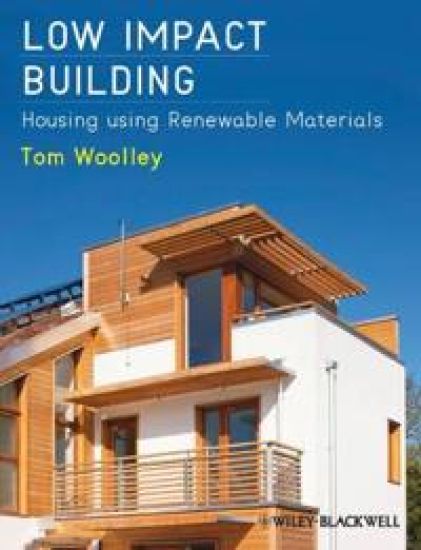
Low Impact Building

Low Impact Building

Tom Woolley

Wiley-Blackwell (an imprint of John Wiley Sons Ltd)
2013
nidottu
This guide to the designs, technologies and materials that really make green buildings work will help architects, specifiers and clients make informed choices, based on reliable technical information. Low Impact Building: Housing using Renewable Materials is about changing the way we build houses to reduce their ‘carbon’ footprint and to minimise environmental damage. One of the ways this can be done is by reducing the energy and environmental impact of the materials and resources used to construct buildings by choosing alternative products and systems. In particular, we need to recognise the potential for using natural and renewable construction materials as a way to reduce both carbon emissions but also build in a more benign and healthy way. This book is an account of some attempts to introduce this into mainstream house construction and the problems and obstacles that need to be overcome to gain wider acceptance of genuinely environmental construction methods. The book explores the nature of renewable materials in depth: where do they come from, what are they made of and how do they get into the construction supply chain? The difference between artisan and self-build materials like earth and straw, and more highly processed and manufactured products such as wood fibre insulation boards is explored. The author then gives an account of the Renewable House Programme in the UK explaining how it came about and how it was funded and managed by Government agencies. He analyses 12 case studies of projects from the Programme, setting out the design and methods of construction, buildability, environmental assessment tools used in the design, performance in terms of energy, air tightness, carbon footprint and post-occupancy issues. The policy context of energy and sustainability in the UK, Europe and the rest of the world is subjected to a critical examination to show how this affects the use of natural and renewable materials in the market for insulation and other construction materials. The debate over energy usage and embodied energy is discussed, as this is central to the reason why even many environmentally progressive people ignore the case for natural and renewable materials. The book offers a discussion of building physics and science, considering energy performance, moisture, durability, health and similar issues. A critical evaluation of assessment, accreditation and labelling of materials and green buildings is central to this as well as a review of some of the key research in the field.
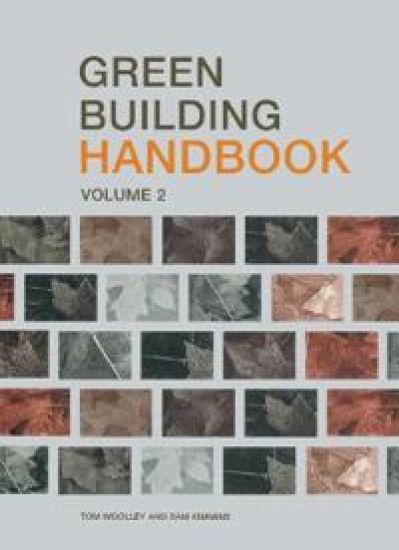
Green Building Handbook: Volume 2

Green Building Handbook: Volume 2

Tom Woolley; Sam Kimmins

Spon Press
2000
nidottu
This key handbook provides a detailed reference for environmentally concerned purchasers of building products, and complements the Green Building Handbook Vol 1. Following the format of the original, this book discusses current issues in green building before moving on to consider eight building component types: fencing products, flat roofing membranes, glazing products, electrical wiring, adhesives, straw bale building, interior decoration and indoor air quality and ventilation. Invaluable for the specifier, this companion handbook will be useful to all those interested in finding greener ways of designing and making buildings.
Green Building Handbook: Volume 1

Green Building Handbook: Volume 1

Tom Woolley; Sam Kimmins; Rob Harrison; Paul Harrison

Spon Press
1997
nidottu
Environmentally responsible building involves resolving many conflicting issues and requirements. Each stage in the design process from the fundamental decisions about what, where and even whether to build has implications for the environment. Evolving out of the success of Green Building Digest, a publication described by Building Design as well-researched, authoritative and exhaustive, this practical new handbook considers the environmental issues which relate to the production, use and disposal of key building products and materials. It is designed to help specifiers and purchasers gain awareness of the potential environmental impact of their decisions. Chapter by chapter Green Building Handbook looks at a different sector of the trade from flooring to roofing, comparing the environmental effects of commonly available products with less well known green alternatives. A Best Buy section then ranks these products from lowest to highest impact.