Kirjojen hintavertailu – 12 903 725 kirjaa ja 27 kauppaa

Kirjailija

Tomás Diez Acosta

Kirjat ja teokset yhdessä paikassa: 11 kirjaa, julkaisuja vuosilta 2002–2023, suosituimpiin kuuluu The Johnson Administration's Cuba Policy. Vertaile teosten hintoja ja tarkista saatavuus suomalaisista kirjakaupoista.

Nimi esiintyy myös muodoissa: Tomas Diez Acosta

11 kirjaa

Kirjojen julkaisuvuodet: 2002–2023.

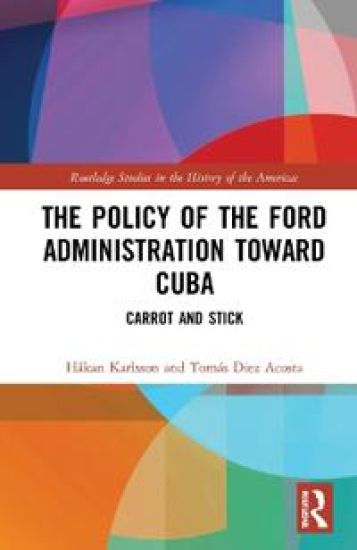
The Policy of the Ford Administration Toward Cuba

The Policy of the Ford Administration Toward Cuba

Håkan Karlsson; Tomás Diez Acosta

TAYLOR FRANCIS LTD
2023
nidottu
This book presents new aspects of the U. S. Cuba policy during Gerald R. Ford’s presidency (August 9, 1974-January 20, 1977). Based in governmental and other sources from the U. S. and Cuba, the book examines how the Ford administration broke with Nixon’s hostile policy when the diplomatic and economic isolation of Cuba was ended in the OAS, even when the U. S. economic blockade prevailed. In line with the detente policy towards the USSR, the Ford administration strived to normalize the relations with Cuba through secret discussions. However, the Cuban involvement in the Angolan civil war ended this process of normalization, and the U. S. returned to a confrontational policy. Within this framework, counterrevolutionary groups in the U. S. could act, more or less with impunity, towards Cuba, but also against Cuban and third-country targets both within and outside the U. S. The book describes the oscillating Cuba policy that was the hallmark of the Ford administration. The Cuban perspective adopted will complement and enrich the knowledge of the U. S. policy toward Cuba during Gerald Ford’s presidency. It is of relevance to everyone interested in the issue and especially for students and researchers within the disciplines of History and Political Science.
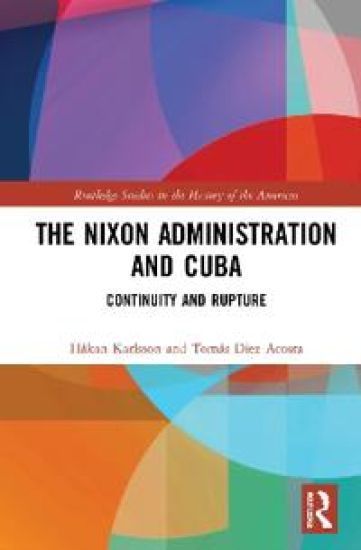
The Nixon Administration and Cuba

The Nixon Administration and Cuba

Håkan Karlsson; Tomás Diez Acosta

TAYLOR FRANCIS LTD
2023
nidottu
This book presents a detailed analysis of the U. S. policy that was adopted toward Cuba by the Richard M. Nixon administration between January 20, 1969, and August 8, 1974. Based on governmental, as well as other, sources from both the U. S. and Cuba, this book examines the rupture where the policy of “passive containment” was complemented with a policy of “dirty war.” President Nixon attempted to reestablish a confrontational and violent path of action, and once again, Cuba was exposed to a “dirty war” consisting of different forms of aggressive terrorist activities. Since the conditions for this violent route had changed dramatically both in the U. S. and in Cuba, a policy characterized by a continuity of the economic and psychological warfare came to be the central one for the Nixon administration. This book is unique since it is written from a Cuban perspective, and it therefore complements and enriches the knowledge of the U. S.–Cuban relationship during the end of the 1960s and the beginning of the 1970s, and the policy adopted by the Nixon administration. It is of relevance to everyone interested in the issue, and especially for students and researchers within the disciplines of history and political science.
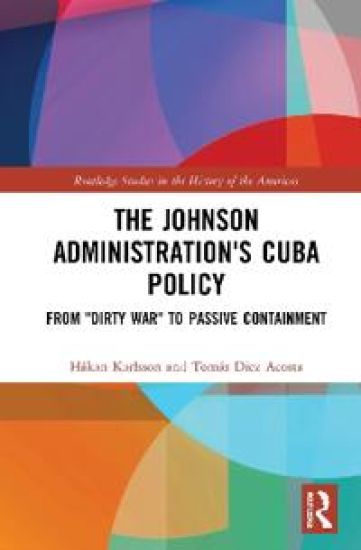
The Johnson Administration's Cuba Policy

The Johnson Administration's Cuba Policy

Håkan Karlsson; Tomás Diez Acosta

TAYLOR FRANCIS LTD
2022
nidottu
This book presents the reader with a detailed analysis of the U. S. policy toward Cuba that was designed and adopted by the Lyndon B. Johnson administration. Based in governmental and other sources from both the U. S. and Cuba, the book analyzes the changes in the U. S. policy and its political and practical effects. Cuba still had to face a combination of "dirty war" and "passive containment," but during the course of the 1960s, the influence of the "dirty war" policy was weakened due to the failure of the tactics to overthrow the Cuban Revolution by violent means. Instead, the policy was directed towards "passive containment," characterized by its focus on an intensification of the economic blockade, the promotion of diplomatic isolation, and propaganda campaigns and psychological warfare. The book is unique since it is written from a Cuban perspective and it complements and enriches the knowledge of the U. S.-Cuban relationship during the 1960s, and the policy adopted by the Johnson administration.
The Policy of the Ford Administration Toward Cuba

The Policy of the Ford Administration Toward Cuba

Håkan Karlsson; Tomás Diez Acosta

TAYLOR FRANCIS LTD
2022
sidottu
This book presents new aspects of the U. S. Cuba policy during Gerald R. Ford’s presidency (August 9, 1974-January 20, 1977). Based in governmental and other sources from the U. S. and Cuba, the book examines how the Ford administration broke with Nixon’s hostile policy when the diplomatic and economic isolation of Cuba was ended in the OAS, even when the U. S. economic blockade prevailed. In line with the detente policy towards the USSR, the Ford administration strived to normalize the relations with Cuba through secret discussions. However, the Cuban involvement in the Angolan civil war ended this process of normalization, and the U. S. returned to a confrontational policy. Within this framework, counterrevolutionary groups in the U. S. could act, more or less with impunity, towards Cuba, but also against Cuban and third-country targets both within and outside the U. S. The book describes the oscillating Cuba policy that was the hallmark of the Ford administration. The Cuban perspective adopted will complement and enrich the knowledge of the U. S. policy toward Cuba during Gerald Ford’s presidency. It is of relevance to everyone interested in the issue and especially for students and researchers within the disciplines of History and Political Science.
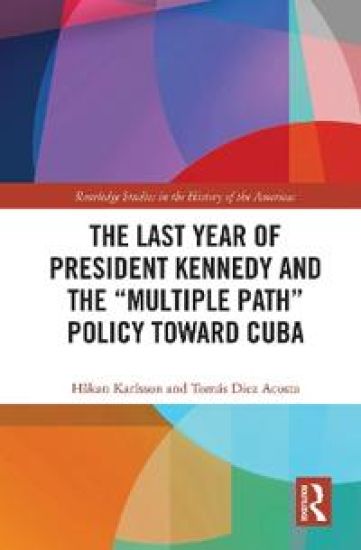
The Last Year of President Kennedy and the "Multiple Path" Policy Toward Cuba

The Last Year of President Kennedy and the "Multiple Path" Policy Toward Cuba

Håkan Karlsson; Tomás Diez Acosta

TAYLOR FRANCIS LTD
2021
nidottu
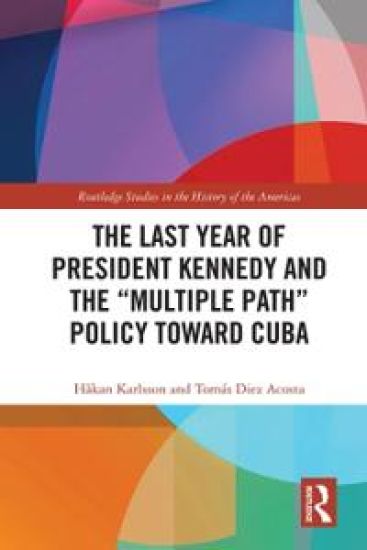
This book presents new aspects of the U. S. "multiple path" policy toward Cuba that was designed and adopted after the Missile Crisis (October 1962) until the assassination of President Kennedy on November 22, 1963, from a Cuban perspective. The policy was characterized by its contradictory profile, since simultaneously as aggressions were directed at Cuba, it also included the establishment of channels of communication with the Cuban government. The book also analyzes the Cuban–Soviet dispute during the same period. The Cuban experiences have still not been sufficiently discussed, and the aspects offered will enrich the knowledge of the U. S.–Cuban relationship during the mentioned period.
The Nixon Administration and Cuba

The Nixon Administration and Cuba

Håkan Karlsson; Tomás Diez Acosta

Routledge
2021
sidottu
This book presents a detailed analysis of the U. S. policy that was adopted toward Cuba by the Richard M. Nixon administration between January 20, 1969, and August 8, 1974. Based on governmental, as well as other, sources from both the U. S. and Cuba, this book examines the rupture where the policy of “passive containment” was complemented with a policy of “dirty war.” President Nixon attempted to reestablish a confrontational and violent path of action, and once again, Cuba was exposed to a “dirty war” consisting of different forms of aggressive terrorist activities. Since the conditions for this violent route had changed dramatically both in the U. S. and in Cuba, a policy characterized by a continuity of the economic and psychological warfare came to be the central one for the Nixon administration. This book is unique since it is written from a Cuban perspective, and it therefore complements and enriches the knowledge of the U. S.–Cuban relationship during the end of the 1960s and the beginning of the 1970s, and the policy adopted by the Nixon administration. It is of relevance to everyone interested in the issue, and especially for students and researchers within the disciplines of history and political science.
The Johnson Administration's Cuba Policy

The Johnson Administration's Cuba Policy

Håkan Karlsson; Tomás Diez Acosta

Routledge
2020
sidottu
This book presents the reader with a detailed analysis of the U. S. policy toward Cuba that was designed and adopted by the Lyndon B. Johnson administration. Based in governmental and other sources from both the U. S. and Cuba, the book analyzes the changes in the U. S. policy and its political and practical effects. Cuba still had to face a combination of "dirty war" and "passive containment," but during the course of the 1960s, the influence of the "dirty war" policy was weakened due to the failure of the tactics to overthrow the Cuban Revolution by violent means. Instead, the policy was directed towards "passive containment," characterized by its focus on an intensification of the economic blockade, the promotion of diplomatic isolation, and propaganda campaigns and psychological warfare. The book is unique since it is written from a Cuban perspective and it complements and enriches the knowledge of the U. S.-Cuban relationship during the 1960s, and the policy adopted by the Johnson administration.
The Missile Crisis from a Cuban Perspective

The Missile Crisis from a Cuban Perspective

Håkan Karlsson; Tomás Diez Acosta

Routledge
2020
nidottu
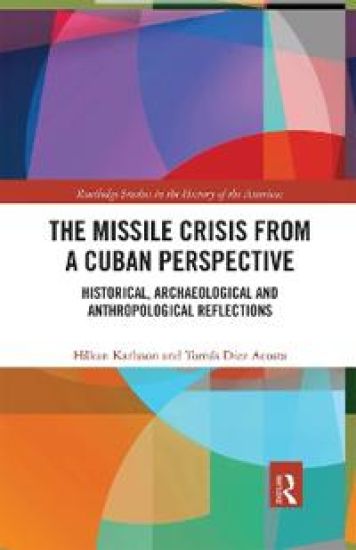
Previous works on the Cuban Missile Crisis (1962) have approached the topic from the point of view of the U. S. and its allies, while Cuban experiences have still not been sufficiently discussed. This book presents new aspects which have seldom – or never – been offered before, giving a detailed account of the crisis from a Cuban perspective. It also investigates the archaeological and anthropological aspects of the crisis, by exploring the tangible and intangible remains that still can be found on the former Soviet missile bases in the Cuban countryside, and through interviews which add a local, human dimension to the subject.
The Last Year of President Kennedy and the "Multiple Path" Policy Toward Cuba
This book presents new aspects of the U. S. "multiple path" policy toward Cuba that was designed and adopted after the Missile Crisis (October 1962) until the assassination of President Kennedy on November 22, 1963, from a Cuban perspective. The policy was characterized by its contradictory profile, since simultaneously as aggressions were directed at Cuba, it also included the establishment of channels of communication with the Cuban government. The book also analyzes the Cuban–Soviet dispute during the same period. The Cuban experiences have still not been sufficiently discussed, and the aspects offered will enrich the knowledge of the U. S.–Cuban relationship during the mentioned period.
The Missile Crisis from a Cuban Perspective

The Missile Crisis from a Cuban Perspective

Håkan Karlsson; Tomás Diez Acosta

Routledge
2019
sidottu
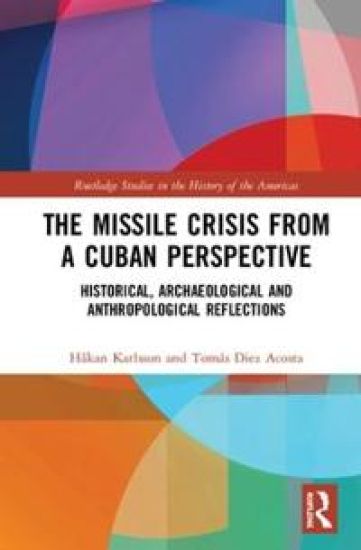
Previous works on the Cuban Missile Crisis (1962) have approached the topic from the point of view of the U. S. and its allies, while Cuban experiences have still not been sufficiently discussed. This book presents new aspects which have seldom – or never – been offered before, giving a detailed account of the crisis from a Cuban perspective. It also investigates the archaeological and anthropological aspects of the crisis, by exploring the tangible and intangible remains that still can be found on the former Soviet missile bases in the Cuban countryside, and through interviews which add a local, human dimension to the subject.