Kirjojen hintavertailu – 12 903 725 kirjaa ja 27 kauppaa
Kirjailija
Tore Johnsen
Kirjat ja teokset yhdessä paikassa: 4 kirjaa, julkaisuja vuosilta 2017–2024, suosituimpiin kuuluu Samerna och Svenska kyrkan : underlag för kyrkligt försoningsarbete. Vertaile teosten hintoja ja tarkista saatavuus suomalaisista kirjakaupoista.
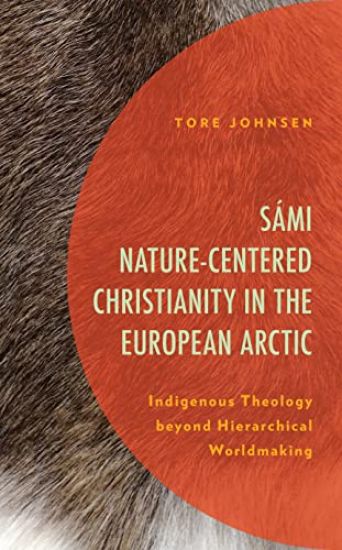
Sámi Nature-Centered Christianity in the European Arctic unpacks the theological significance of North Sámi indigenous Christianity, demonstrating how the tension between Sámi nature-centered Christianity and official Norwegian Lutheranism has broad theological relevance. Focusing on Christian cosmological orientation, the author argues that this is not fully given within the Christian faith itself. It is partly shaped by the religio-philosophical frameworks that various historical receptions of Christianity were filtered through. The author substantiates that two different types of Christian cosmological orientation are negotiated in the North Sámi Christian experience: one reflecting a Sámi historical reception of Christianity primarily filtered through the egalitarian world intuition of the Sámi indigenous tradition; another reflecting official Norwegian Lutheranism, primarily filtered through a Greek hierarchical world construct passed down among European intellectual elites. The argument is developed through thick description of local everyday Christianity among reindeer herding, river, and sea Sámi communities in Finnmark, Norway; through critical engagement with historical and contemporary Lutheranism; and through constructive dialogue with African and Native American theologies. The author suggests that the egalitarian, multi-relational logic of Sámi nature-centered Christianity points beyond the hierarchical binaries delimiting much of the theological imagination of dominant Christian theologies.
In Sámi Nature-Centered Christianity in the European Arctic: Indigenous Theology beyond Hierarchical Worldmaking, Tore Johnsen unpacks the theological significance of North Sámi indigenous Christianity, demonstrating how the tension between Sámi nature-centered Christianity and official Norwegian Lutheranism has broad theological relevance. Focusing on Christian cosmological orientation, the author argues that this is not fully given within the Christian faith itself. It is partly shaped by the religio-philosophical frameworks that various historical receptions of Christianity were filtered through. The author substantiates that two different types of Christian cosmological orientation are negotiated in the North Sámi Christian experience: one reflecting a Sámi historical reception of Christianity primarily filtered through the egalitarian world intuition of the Sámi indigenous tradition; another reflecting official Norwegian Lutheranism, primarily filtered through a Greek hierarchical world construct passed down among European intellectual elites. The argument is developed through thick description of local everyday Christianity among reindeer herding, river, and sea Sámi communities in Finnmark, Norway; through critical engagement with historical and contemporary Lutheranism; and through constructive dialogue with African and Native American theologies. The author suggests that the egalitarian, multi-relational logic of Sámi nature-centered Christianity points beyond the hierarchical binaries delimiting much of the theological imagination of dominant Christian theologies.
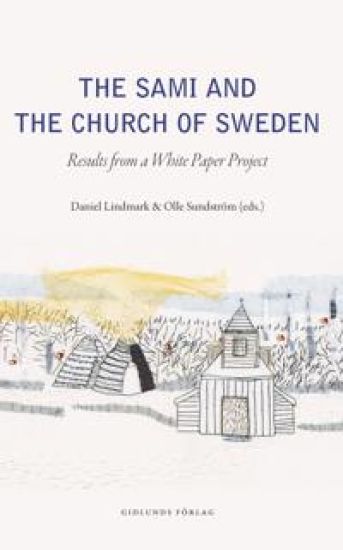
This book presents results from a white paper project on the historical relations between the established Evangelical Lutheran Church of Sweden and the indigenous Sami people. The research project, which was launched in November 2012 and concluded in February 2017, was funded by the Church of Sweden Research Department and hosted by Umeå University. It was set up following an explicit request by representatives of the Sami community made at a hearing in 2011. Documentation of the abuse inflicted by the Church throughout history was regarded as a precondition for a continued reconciliation process. In April 2016, a comprehensive academic report was published. The contents of this two-volume book consisting of 33 articles written by experts in the field were summarised and discussed in a popular science publication issued in February 2017. Chapters on reconciliation as concept and practice were included in this abridged version so as to make it useful in reconciliation activities in church and Sami communities. The current book, The Sami and the Church of Sweden: Results from a White Paper Project, is a translation of the popular science publication, supplemented with a more detailed introduction and two updating and concluding chapters. Through this English version, international readers can inform themselves about the background, assignment, organisation, results and reception of a research project carried out within a reconciliation process. The editors Daniel Lindmark and Olle Sundström were involved in the management of the White Paper Project. They work at Umeå University, Lindmark as a professor of church history, and Sundström as an associate professor of history of religions.
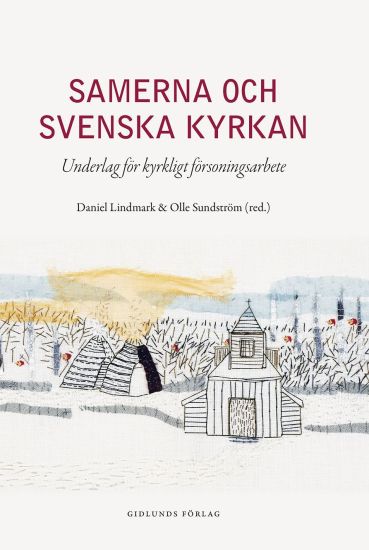
Boken Samerna och Svenska kyrkan: Underlag för kyrkligt försoningsarbete är den avslutande publikationen från vitboksprojektet om Svenska kyrkan och samerna. Forskningsprojektet startade år 2012 mot bakgrund av samiska önskemål om fördjupad kunskap om kyrkans agerande mot samerna genom historien, tydligt framförda vid konferensen Ságastallamat år 2011. Historisk dokumentation av kyrkans övergrepp bedömdes vara en förutsättning för en fortsatt försoningsprocess. År 2016 redovisade projektet sina resultat i två omfattande volymer. I boken Samerna och Svenska kyrkan presenteras volymernas innehåll på ett överskådligt och lättillgängligt sätt av historikerna Björn Norlin och David Sjögren, som har deltagit i projektet som artikelförfattare och fackgranskare. I sex korta kapitel skapar de en begriplig helhet av projektets resultat, som förhoppningsvis därmed kan nå en vidare läsekrets. Samerna och Svenska kyrkan är tänkt att bilda startpunkt för det fortsatta försoningsarbetet och bli praktiskt användbar i stift och församlingar. Därför ingår också tre avslutande kapitel som diskuterar vad försoning kan vara och hur den ska kunna komma till stånd. Texterna är skrivna av nyckelpersoner i arbetet för försoning mellan kyrka och samer: den samiske teologen och tidigare ledaren för Samisk kirkeråd i Norge, Tore Johnsen, den tidigare ordföranden i Svenska kyrkans teologiska kommitté, Carl Reinhold Bråkenhielm, respektive ordföranden i Samiska rådet i Svenska kyrkan, Sylvia Sparrock. Boken har redigerats av Daniel Lindmark och Olle Sundström, som båda är verksamma vid Umeå universitet.