Kirjojen hintavertailu – 12 903 725 kirjaa ja 27 kauppaa

Kirjailija

Toseef Azid

Kirjat ja teokset yhdessä paikassa: 4 kirjaa, julkaisuja vuosilta 2021–2026, suosituimpiin kuuluu Shariah Governance Systems Of Islamic Banks: Theory And Practice. Vertaile teosten hintoja ja tarkista saatavuus suomalaisista kirjakaupoista.

4 kirjaa

Kirjojen julkaisuvuodet: 2021–2026.

Islamic Perspectives On A Moral Approach To Economics

Islamic Perspectives On A Moral Approach To Economics

Toseef Azid; Murniati Mukhlisin; Mohd Hairul Azrin Haji Besar

World Scientific Publishing Co Pte Ltd
2026
sidottu
The current state of dissatisfaction with economic issues are not due to primarily economic reasons, but instead, on how whole societies and communities have come to revolve only around the individual's well-being. Islamic Perspectives on a Moral Approach to Economics provides an overview of how followers of Islam think, earn, and treat others with whom they are doing business, and analyses how the moral climate is key for doing business in the Islamic economy and market. The book also discusses the concept of a moral market against that of the Islamic moral market, its advantages over the conventional market and moral market, and analyses its role in redistributive justice. Islamic Perspectives on a Moral Approach to Economics is a new and novel contribution to the global debate on how moral values and religion can increase behavior that reduce the state of selfishness currently prevalent in economic affairs.
Shariah Governance Systems Of Islamic Banks: Theory And Practice

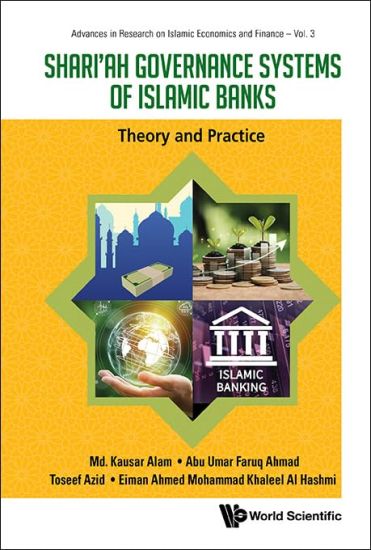
Shariah Governance Systems Of Islamic Banks: Theory And Practice

Md Kausar Alam; Abu Umar Faruq Ahmad; Toseef Azid; Eiman Ahmad Mohammad Khaleel Al Hashimi

WORLD SCIENTIFIC PUBLISHING CO PTE LTD
2025
sidottu
This book describes the theories related to corporate and Shariah governance frameworks of the global Islamic finance industry. It provides the conceptual models of Shariah governance and global Shariah governance systems. It also provides their historical background of development. The book illustrates the steps taken by the regulatory authorities in different countries. As there is a shortage of books on Shariah governance in comparison to corporate governance. This book attempts to fill the gap by describing theories related to corporate and Shariah governance frameworks of the global Islamic finance industry. It provides conceptual models of Shariah governance and global Shariah governance systems and their historical background of development. The book illustrates steps taken by the regulatory authorities in different countries. This book differentiates itself from similar books by providing comprehensive information on overall governance systems, theories and global corporate governance models. Written in a simple and accessible manner, this book will appeal to academia and industry practitioners in Islamic finance.
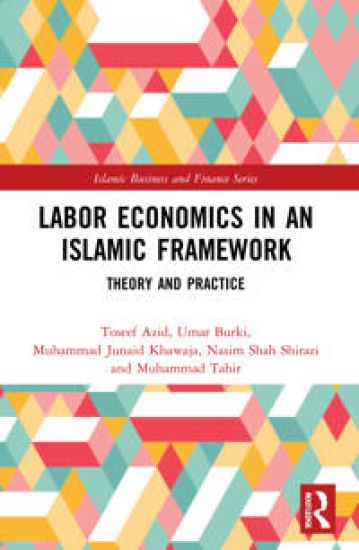
Labor Economics in an Islamic Framework

Labor Economics in an Islamic Framework

Toseef Azid; Umar Burki; Muhammad Junaid Khawaja; Nasim Shah Shirazi; Muhammad Tahir

TAYLOR FRANCIS LTD
2023
nidottu
The labor market in Islam is governed by the Islamic laws of fairness, justice, and reward that is equivalent to the job done. Most of the literature in the field discusses the normative aspect of the labor market, whereas few attempts can be seen to address more positive aspects. There is a need for new theoretical and empirical models for the Islamic labor market, which should differ from established approaches. This book provides a comprehensive overview of the nature, scope, and dimensions of the labor market in an Islamic context, from both theoretical and practical perspectives. It presents and discusses labor economics and then compares the similarities and differences between conventional and Islamic views of the labor market, explaining where they meet, and critically justifying why they differ, under the umbrella of Shari'ah. The book raises pertinent issues, which it analyzes from both standpoints and widens the discourse to include norms, morality, and related institutions such as social security and welfare. A unique feature of the book is that it examines labor economics practices among a specific group of countries, and studies the labor conditions within these countries, where the majority of the population follow the teachings of Islam in their daily lives. The book proposes practical strategies for the development of new models for the Islamic labor market which are compatible with the modern world. The book will enable academics and practitioners of Islamic economics to make economic sense of Shari'ah compliance and human resource development.
Labor Economics in an Islamic Framework

Labor Economics in an Islamic Framework

Toseef Azid; Umar Burki; Muhammad Junaid Khawaja; Nasim Shah Shirazi; Muhammad Tahir

TAYLOR FRANCIS LTD
2021
sidottu
The labor market in Islam is governed by the Islamic laws of fairness, justice, and reward that is equivalent to the job done. Most of the literature in the field discusses the normative aspect of the labor market, whereas few attempts can be seen to address more positive aspects. There is a need for new theoretical and empirical models for the Islamic labor market, which should differ from established approaches. This book provides a comprehensive overview of the nature, scope, and dimensions of the labor market in an Islamic context, from both theoretical and practical perspectives. It presents and discusses labor economics and then compares the similarities and differences between conventional and Islamic views of the labor market, explaining where they meet, and critically justifying why they differ, under the umbrella of Shari'ah. The book raises pertinent issues, which it analyzes from both standpoints and widens the discourse to include norms, morality, and related institutions such as social security and welfare. A unique feature of the book is that it examines labor economics practices among a specific group of countries, and studies the labor conditions within these countries, where the majority of the population follow the teachings of Islam in their daily lives. The book proposes practical strategies for the development of new models for the Islamic labor market which are compatible with the modern world. The book will enable academics and practitioners of Islamic economics to make economic sense of Shari'ah compliance and human resource development.