Kirjojen hintavertailu – 12 903 735 kirjaa ja 27 kauppaa

Kirjailija

Traci Ardren

Kirjat ja teokset yhdessä paikassa: 7 kirjaa, julkaisuja vuosilta 2010–2025, suosituimpiin kuuluu Social Identities in the Classic Maya Northern Lowlands. Vertaile teosten hintoja ja tarkista saatavuus suomalaisista kirjakaupoista.

7 kirjaa

Kirjojen julkaisuvuodet: 2010–2025.

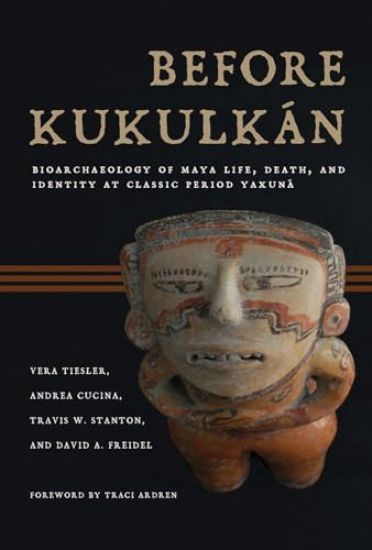
Before Kukulkán

Before Kukulkán

Vera Tiesler; Andrea Cucina; Travis W. Stanton; David A. Freidel; Traci Ardren

University of Arizona Press
2025
nidottu
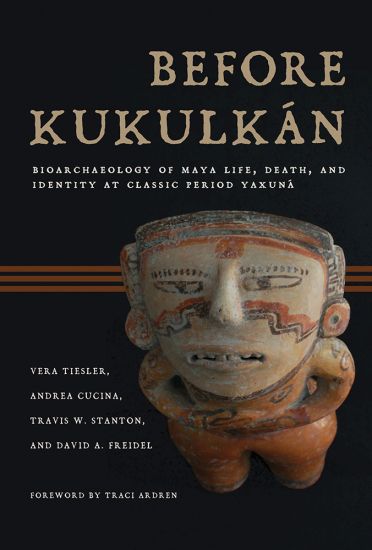
This volume illuminates human lifeways in the northern Maya lowlands prior to the rise of ChichÉn ItzÁ. This period and area have been poorly understood on their own terms, obscured by scholarly focus on the central lowland Maya kingdoms. Before KukulkÁn is anchored in three decades of interdisciplinary research at the Classic Maya capital of YaxunÁ, located at a contentious crossroads of the northern Maya lowlands. Using bioarchaeology, mortuary archaeology, and culturally sensitive mainstream archaeology, the authors create an in-depth regional understanding while also laying out broader ways of learning about the Maya past. Part 1 examines ancient lifeways among the Maya at YaxunÁ, while part 2 explores different meanings of dying and cycling at the settlement and beyond: ancestral practices, royal entombment and desecration, and human sacrifice. The authors close with a discussion of the last years of occupation at YaxunÁ and the role of ChichÉn ItzÁ in the abandonment of this urban center. Before KukulkÁn provides a cohesive synthesis of the evolving roles and collective identities of locals and foreigners at the settlement and their involvement in the region’s trajectory. Theoretically informed and contextualized discussions offer unique glimpses of everyday life and death in the socially fluid Maya city. These findings, in conjunction with other documented series of skeletal remains from this region, provide a nuanced picture of the social and biocultural dynamics that operated successfully for centuries before the arrival of the ItzÁ.
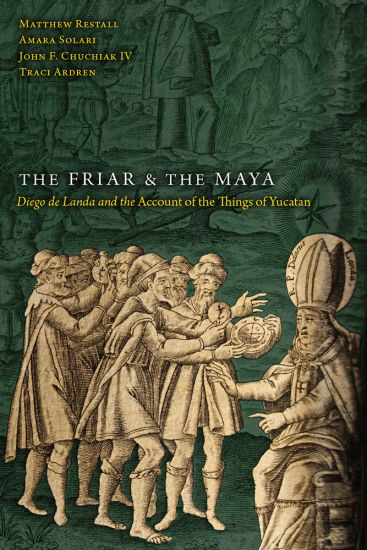
The Friar and the Maya

The Friar and the Maya

Matthew Restall; Amara Solari; John F. Chuchiak; Traci Ardren

University Press of Colorado
2023
pokkari
The Friar and the Maya offers a full study and new translation of the Relación de las Cosas de Yucatán (Account of the Things of Yucatan) by a unique set of eminent scholars, created by them over more than a decade from the original manuscript held by the Real Academia de la Historia in Madrid. This critical and careful reading of the Account is long overdue in Maya studies and will forever change how this seminal text is understood and used. For generations, scholars used (and misused) the Account as the sole eyewitness insight into an ancient civilization. It is credited to the sixteenth-century Spanish Franciscan, monastic inquisitor, and bishop Diego de Landa, whose legacy is complex and contested. His extensive writings on Maya culture and history were lost in the seventeenth century, save for the fragment that is the Account, discovered in the nineteenth century, and accorded near-biblical status in the twentieth as the first “ethnography” of the Maya. However, the Account is not authored by Landa alone; it is a compilation of excerpts, many from writings by other Spaniards—a significant revelation made here for the first time. This new translation accurately reflects the style and vocabulary of the original manuscript. It is augmented by a monograph—comprising an introductory chapter, seven essays, and hundreds of notes—that describes, explains, and analyzes the life and times of Diego de Landa, the Account, and the role it has played in the development of modern Maya studies. The Friar and the Maya is an innovative presentation on an important and previously misunderstood primary source.
Everyday Life in the Classic Maya World

Everyday Life in the Classic Maya World

Traci Ardren

Cambridge University Press
2023
pokkari
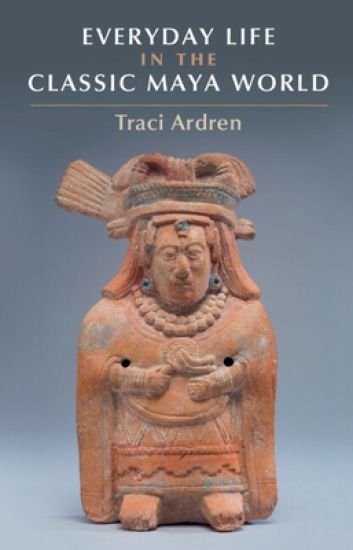
Everyday Life in the Classic Maya World introduces readers to a range of people who lived during the Classic period (200–800 CE) of Maya civilization. Traci Ardren here reconstructs the individual experiences of Maya people across all social arenas and experiences, including less-studied populations, such as elders, children, and non-gender binary people. Putting people, rather than objects, at the heart of her narrative, she examines the daily activities of a small rural household of farmers and artists, hunting and bee-keeping rituals, and the bustling activities of the urban marketplace. Ardren bases her study on up-to-date and diverse sources and approaches, including archaeology, art history, epigraphy, and ethnography. Her volume reveals the stories of ancient Maya people and also shows the relevance of those stories today. Written in an engaging style, Everyday Life in the Classic Maya World offers readers at all levels a view into the amazing accomplishments of a culture that continues to fascinate.
Everyday Life in the Classic Maya World

Everyday Life in the Classic Maya World

Traci Ardren

Cambridge University Press
2023
sidottu
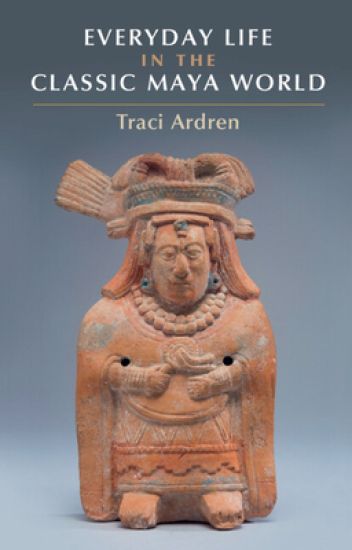
Everyday Life in the Classic Maya World introduces readers to a range of people who lived during the Classic period (200–800 CE) of Maya civilization. Traci Ardren here reconstructs the individual experiences of Maya people across all social arenas and experiences, including less-studied populations, such as elders, children, and non-gender binary people. Putting people, rather than objects, at the heart of her narrative, she examines the daily activities of a small rural household of farmers and artists, hunting and bee-keeping rituals, and the bustling activities of the urban marketplace. Ardren bases her study on up-to-date and diverse sources and approaches, including archaeology, art history, epigraphy, and ethnography. Her volume reveals the stories of ancient Maya people and also shows the relevance of those stories today. Written in an engaging style, Everyday Life in the Classic Maya World offers readers at all levels a view into the amazing accomplishments of a culture that continues to fascinate.
Before Kukulkán

Before Kukulkán

Vera Tiesler; Andrea Cucina; Travis W. Stanton; David Freidel; Traci Ardren

University of Arizona Press
2017
sidottu
This volume illuminates human lifeways in the northern Maya lowlands prior to the rise of Chichén Itzá. This period and area have been poorly understood on their own terms, obscured by scholarly focus on the central lowland Maya kingdoms. Before Kukulkán is anchored in three decades of interdisciplinary research at the Classic Maya capital of Yaxuná, located at a contentious crossroads of the northern Maya lowlands. Using bioarchaeology, mortuary archaeology, and culturally sensitive mainstream archaeology, the authors create an in-depth regional understanding while also laying out broader ways of learning about the Maya past. Part one examines ancient lifeways among the Maya at Yaxuná, while part two explores different meanings of dying and cycling at the settlement and beyond—ancestral practices, royal entombment and desecration, and human sacrifice. The authors close with a discussion of the last years of occupation at Yaxuná and the role of Chichén Itzá in the abandonment of this urban center. Before Kukulkán provides a cohesive synthesis of the evolving roles and collective identities of locals and foreigners at the settlement and their involvement in the region’s trajectory. Theoretically informed and contextualized discussions offer unique glimpses of everyday life and death in the socially fluid Maya city. These findings, in conjunction with other documented series of skeletal remains from this region, provide a nuanced picture of the social and biocultural dynamics that operated successfully for centuries before the arrival of the Itzá.
Social Identities in the Classic Maya Northern Lowlands

Social Identities in the Classic Maya Northern Lowlands

Traci Ardren

University of Texas Press
2015
nidottu
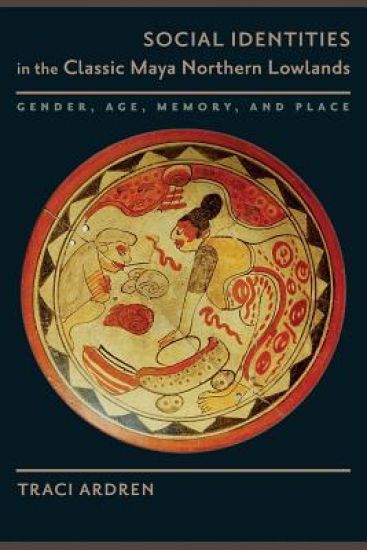
Using new archaeological data from four major cities of the Classic Maya world, this book explores how gender, age, familial and community memories, and the experience of living in an urban setting interacted to form social identities. Social Identities in the Classic Maya Northern Lowlands plumbs the archaeological record for what it can reveal about the creation of personal and communal identities in the Maya world. Using new primary data from her excavations at the sites of Yaxuna, Chunchucmil, and Xuenkal, and new analysis of data from Dzibilchaltun in Yucatan, Mexico, Traci Ardren presents a series of case studies in how social identities were created, shared, and manipulated among the lowland Maya. Ardren argues that the interacting factors of gender, age, familial and community memories, and the experience of living in an urban setting were some of the key aspects of Maya identities. She demonstrates that domestic and civic spaces were shaped by gender-specific behaviors to communicate and reinforce gendered ideals. Ardren discusses how child burials disclose a sustained pattern of reverence for the potential of childhood and the power of certain children to mediate ancestral power. She shows how small shrines built a century after Yaxuna was largely abandoned indicate that its remaining residents used memory to reenvision their city during a time of cultural reinvention. And Ardren explains how Chunchucmil’s physical layout of houses, plazas, and surrounding environment denotes that its occupants shared an urban identity centered in the movement of trade goods and economic exchange. Viewing this evidence through the lens of the social imaginary and other recent social theory, Ardren demonstrates that material culture and its circulations are an integral part of the discourse about social identity and group membership.
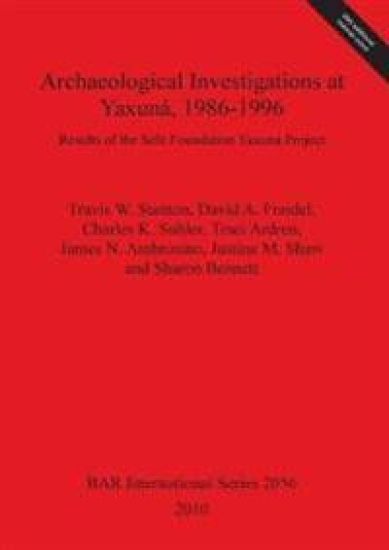
Archaeological Investigations at Yaxuná 1986-1996

Archaeological Investigations at Yaxuná 1986-1996

James N Ambrosino; Traci Ardren; Sharon Bennett; David A Freidel; Justine M Shaw; Travis W. Stanton; Charles K Suhler

BAR Publishing
2010
muu
This volume represents the final report of the Selz Foundation Yaxuna Archaeological Project at the Precolumbian Maya center of Yaxuna, Yucatan, Mexico from 1986 to 1996. This volume contains summaries of all survey data, excavations, artifact analyses, and current interpretations.