Kirjojen hintavertailu – 12 859 828 kirjaa ja 27 kauppaa

Kirjailija

Tran Le Huu Nghia

Kirjat ja teokset yhdessä paikassa: 6 kirjaa, julkaisuja vuosilta 2019–2022, suosituimpiin kuuluu Developing and Utilizing Employability Capitals. Vertaile teosten hintoja ja tarkista saatavuus suomalaisista kirjakaupoista.

6 kirjaa

Kirjojen julkaisuvuodet: 2019–2022.

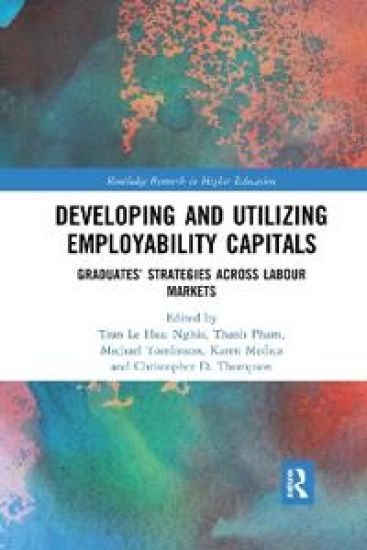
Developing and Utilizing Employability Capitals

Developing and Utilizing Employability Capitals

Tran Le Huu Nghia; Thanh Pham; Michael Tomlinson; Karen Medica; Christopher Thompson

TAYLOR FRANCIS LTD
2021
nidottu
Graduate employability is a significant concern for most higher education institutions worldwide. During the last two decades, universities have attempted to implement their employability agendas to support their students to enhance employment outcomes. However, within today’s globalized labour markets, employability has gone far beyond the notion of obtaining stable and permanent employment. This book explores graduates’ experiences in developing and utilizing employability capitals for career development and success in different labour markets. In the chapters, the graduate contributors narrate and discuss how they negotiated their employability on the transitions across jobs, occupational sectors and labour markets. The chapters address key issues, including how employability is understood by graduates of different disciplines, at different career stages and in different contexts; how they develop and utilise such capitals along with strategies to negotiate their employability; and what can be done to move the higher education employability agenda forward. The book presents international insights and perspectives into transitions from education to work and career development across the labour markets, as well as calls for improving the graduate employability agenda. It is an invaluable resource for researchers and academics, university leaders, policymakers and students who are concerned about graduate employability.
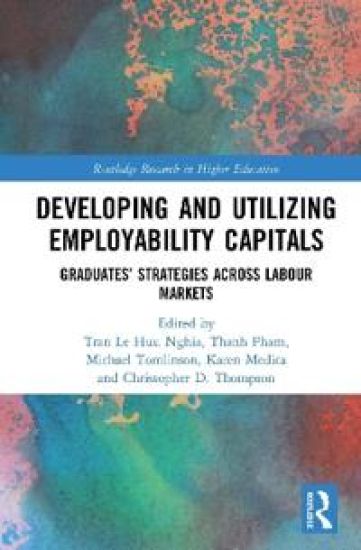
Developing and Utilizing Employability Capitals

Developing and Utilizing Employability Capitals

Tran Le Huu Nghia; Thanh Pham; Michael Tomlinson; Karen Medica; Christopher Thompson

Routledge
2020
sidottu
Graduate employability is a significant concern for most higher education institutions worldwide. During the last two decades, universities have attempted to implement their employability agendas to support their students to enhance employment outcomes. However, within today’s globalized labour markets, employability has gone far beyond the notion of obtaining stable and permanent employment. This book explores graduates’ experiences in developing and utilizing employability capitals for career development and success in different labour markets. In the chapters, the graduate contributors narrate and discuss how they negotiated their employability on the transitions across jobs, occupational sectors and labour markets. The chapters address key issues, including how employability is understood by graduates of different disciplines, at different career stages and in different contexts; how they develop and utilise such capitals along with strategies to negotiate their employability; and what can be done to move the higher education employability agenda forward. The book presents international insights and perspectives into transitions from education to work and career development across the labour markets, as well as calls for improving the graduate employability agenda. It is an invaluable resource for researchers and academics, university leaders, policymakers and students who are concerned about graduate employability.
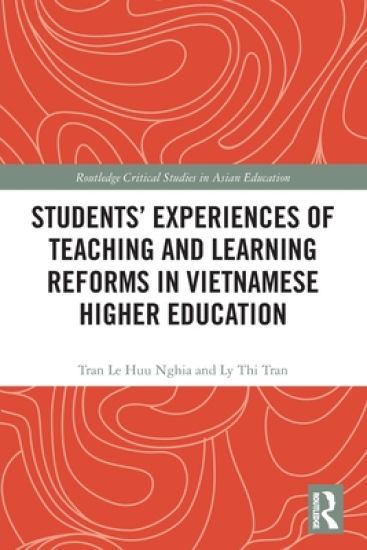
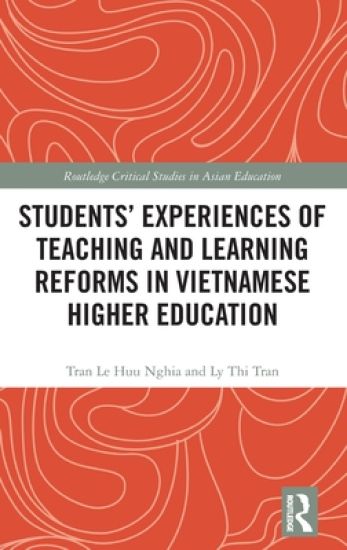
Students' Experiences of Teaching and Learning Reforms in Vietnamese Higher Education
Located within the global changing contexts of higher education in the 21st century, this book examines the reform of the teaching and learning practices in Vietnamese universities under the Higher Education Reform Agenda and the influence of internationalization on the higher education sector. Specifically, it analyses the motives, current implementation, effectiveness, and challenges of these reforms, especially from student perspectives. Analyzing approximately 4300 survey responses and interviews with students, the book covers a range of key issues related to teaching and learning in higher education which have attracted attention in recent years, including:The learning environment Student support and first-year transitionStudent-centred teaching The use of credit-based curriculaThe use of information and communication technologyAt-home internationalization of higher educationAssessment and feedbackWork placements Informal learning via extra curricular activitiesStudents’ perception of the values of university education.
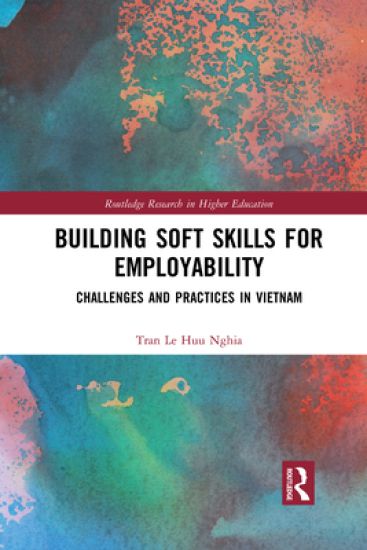
Building Soft Skills for Employability

Building Soft Skills for Employability

Tran Le Huu Nghia

Taylor Francis Ltd
2021
nidottu
This book is among the first of its kind to comprehensively examine the implementation of soft skills in universities in the developing country, Vietnam. The context is unique as the implementation is taking place within the distinctive socio-economic, cultural and political characteristics of the country, amidst several simultaneously-executed educational reforms. Tran lays down the foundation for discussion by providing readers with a comprehensive review of how soft skills implementation has come into existence in higher education across the globe, before diving into the implementation of soft skills in Vietnamese universities. He goes on to highlight the interesting differences in the conceptualization of soft skills between Vietnamese universities and those in the West. The book depicts and compares how university leaders and managers tackle contextual factors, submit to constraints enforced by political forces, and how they use institutional advantages available for implementation. It goes further to examine how personal and contextual factors affect teachers’ and students’ engagement with the implementation, and highlights the role of work-integrated learning and extra-curricular activities in developing soft skills for students. Finally, the book investigates the contribution of external stakeholders, such as alumni, employers, skills experts, and local authorities, to the implementation and obstacles that prevent their participation. This book will be a valuable reference for the implementation of soft skills in higher education around the world.
Students' Experiences of Teaching and Learning Reforms in Vietnamese Higher Education
Located within the global changing contexts of higher education in the 21st century, this book examines the reform of the teaching and learning practices in Vietnamese universities under the Higher Education Reform Agenda and the influence of internationalization on the higher education sector. Specifically, it analyses the motives, current implementation, effectiveness, and challenges of these reforms, especially from student perspectives. Analyzing approximately 4300 survey responses and interviews with students, the book covers a range of key issues related to teaching and learning in higher education which have attracted attention in recent years, including:The learning environment Student support and first-year transitionStudent-centred teaching The use of credit-based curriculaThe use of information and communication technologyAt-home internationalization of higher educationAssessment and feedbackWork placements Informal learning via extra curricular activitiesStudents’ perception of the values of university education.
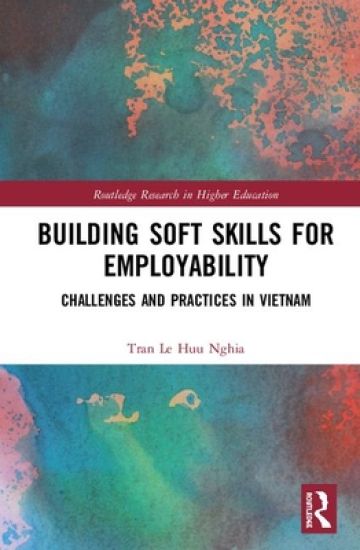
Building Soft Skills for Employability

Building Soft Skills for Employability

Tran Le Huu Nghia

Routledge
2019
sidottu
This book is among the first of its kind to comprehensively examine the implementation of soft skills in universities in the developing country, Vietnam. The context is unique as the implementation is taking place within the distinctive socio-economic, cultural and political characteristics of the country, amidst several simultaneously-executed educational reforms. Tran lays down the foundation for discussion by providing readers with a comprehensive review of how soft skills implementation has come into existence in higher education across the globe, before diving into the implementation of soft skills in Vietnamese universities. He goes on to highlight the interesting differences in the conceptualization of soft skills between Vietnamese universities and those in the West. The book depicts and compares how university leaders and managers tackle contextual factors, submit to constraints enforced by political forces, and how they use institutional advantages available for implementation. It goes further to examine how personal and contextual factors affect teachers’ and students’ engagement with the implementation, and highlights the role of work-integrated learning and extra-curricular activities in developing soft skills for students. Finally, the book investigates the contribution of external stakeholders, such as alumni, employers, skills experts, and local authorities, to the implementation and obstacles that prevent their participation. This book will be a valuable reference for the implementation of soft skills in higher education around the world.