Kirjojen hintavertailu – 12 903 725 kirjaa ja 27 kauppaa

Kirjailija

Trevor Pearson

Kirjat ja teokset yhdessä paikassa: 4 kirjaa, julkaisuja vuosilta 2001–2016, suosituimpiin kuuluu Living Strictly Fore! Pleasure. Vertaile teosten hintoja ja tarkista saatavuus suomalaisista kirjakaupoista.

4 kirjaa

Kirjojen julkaisuvuodet: 2001–2016.

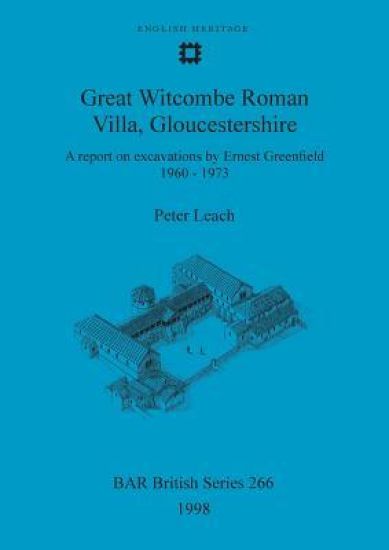
Great Witcombe Roman Villa, Gloucestershire

Great Witcombe Roman Villa, Gloucestershire

Lynne Bevan; Peter Leach; Trevor Pearson

BAR Publishing
2016
nidottu
The Roman villa at Great Witcombe, Gloucestershire was discovered in 1818, and has subsequently been excavated several times, most recently by Ernest Greenfield (1960-73) whose work forms the basis of this book. By the later 3rd and 4th centuries, the villa had developed into a sumptuous country house of a courtyard plan, which included several mosaic pavements, two suites of baths and a prominent colonnaded central gallery and portico. It is suggested here that the villa belonged to the descendants of a veteran, settled on an estate established here at the foundation of the colonia at Gloucester.
Scarborough

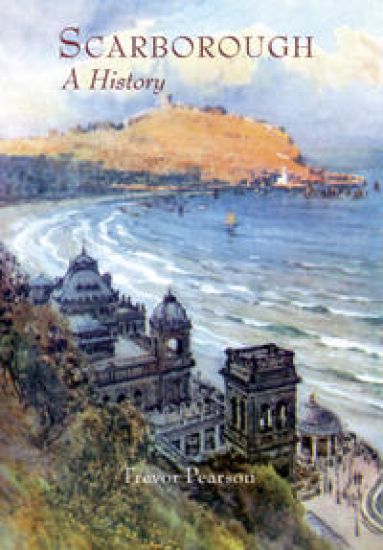
Scarborough

Trevor Pearson

Phillimore Co Ltd
2009
sidottu
The Romans chose the headland that divides Scarborough’s two bays for a watch tower but it was the Vikings who, according to legend, first gave the town its name. The settlement they founded was later raised to the ground by the Norwegian king Harald Hardrada in 1066 and no trace of it has ever been found. The recorded history of Scarborough begins in the middle of the 12th century with the construction of the castle on the headland and the development of a port and town beyond its walls. King Henry II issued a charter in 1163 and the royal borough was the largest and most prosperous port on the Yorkshire coast in the 13th and 14th centuries, but it struggled to maintain the pier and fell into decline. Town and castle endured two bloody and destructive sieges during the Civil Wars, but shortly afterwards a local doctor called Robert Whittie promoted the health-giving properties of a spring in the South Bay. Scarborough’s fame as a medicinal spa spread quickly and by the end of the 17th century the town was the regular resort of northern gentry families in search of a cure. New streets added to the medieval core accommodated the influx of wealthy visitors. The coming of the railway in 1845 ushered in mass tourism and saw the construction of new boarding houses and hotels wherever there was a view of the sea. Scarborough was on course to becoming one of the country’s best known seaside resorts. With the decline of the seaside holiday, the town has redeveloped as a conference and cultural centre, the first museum, the Rotunda, re-opening in 2008 as a regional centre for geology.