Kirjojen hintavertailu – 12 903 729 kirjaa ja 27 kauppaa

Kirjailija

Tsuyoshi Hasegawa

Kirjat ja teokset yhdessä paikassa: 11 kirjaa, julkaisuja vuosilta 2006–2026, suosituimpiin kuuluu Racing the Enemy. Vertaile teosten hintoja ja tarkista saatavuus suomalaisista kirjakaupoista.

11 kirjaa

Kirjojen julkaisuvuodet: 2006–2026.

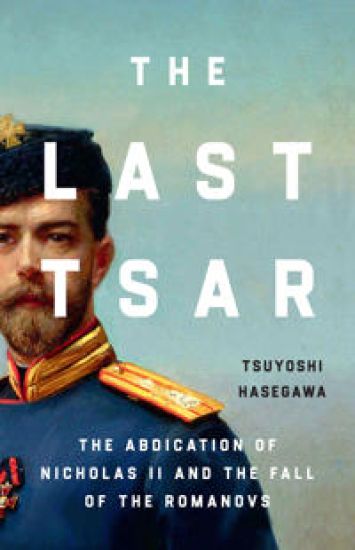
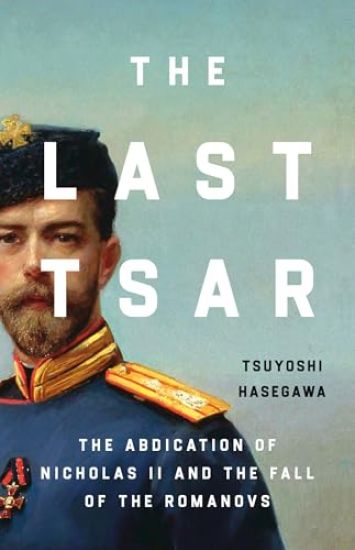
The Last Tsar: The Abdication of Nicholas II and the Fall of the Romanovs
The definitive history of the self-destruction of the autocratic Romanov dynasty "Filled with revelations and fresh insights and rich with observations" --The Wall Street Journal In 1917, Imperial Russia faced a series of overlapping crises, from war to social unrest, that culminated in Tsar Nicholas II's dramatic fall from power. Though Nicholas's life is often described as tragic, a trove of new archival discoveries confirms that it was not fate that doomed the monarchy, but the tsar's own poor leadership, blinkered faith in autocracy, and resistance to reform. The Last Tsar untangles the struggles between the era's captivating personalities: the increasingly isolated Nicholas and Alexandra and the factions of scheming nobles, ruthless legislators, and pragmatic generals who sought to stabilize the restive Russian Empire either with the tsar or without him. Definitive and engrossing, The Last Tsar uncovers how Nicholas II stumbled into revolution, taking his family, the Romanov dynasty, and the whole Russian Empire down with him.
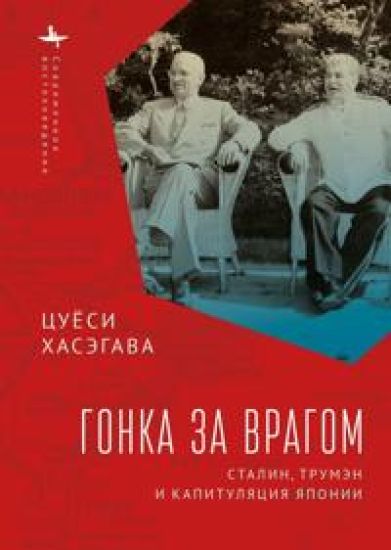
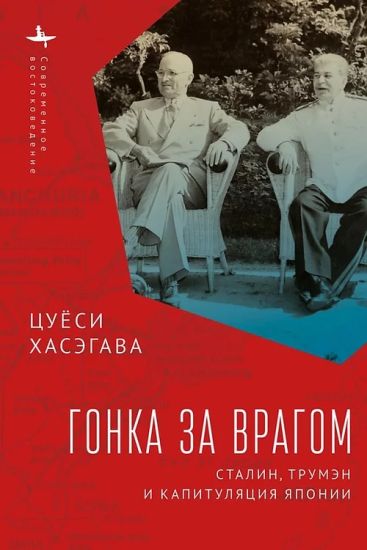
Racing the Enemy

Racing the Enemy

Tsuyoshi Hasegawa

Academic Studies Press
2026
pokkari
From April 1945, when Stalin broke the Soviet-Japanese Neutrality Pact and Harry Truman assumed the presidency, to the final Soviet military actions against Japan, Hasegawa brings to light the real reasons Japan surrendered. From Washington to Moscow to Tokyo and back again, he shows us a high-stakes diplomatic game as Truman and Stalin sought to outmaneuver each other in forcing Japan’s surrender; as Stalin dangled mediation offers to Japan while secretly preparing to fight in the Pacific; as Tokyo peace advocates desperately tried to stave off a war party determined to mount a last-ditch defense; and as the Americans struggled to balance their competing interests of ending the war with Japan and preventing the Soviets from expanding into the Pacific.
The Last Tsar

The Last Tsar

Tsuyoshi Hasegawa

John Murray Press
2025
pokkari

Halvin toimitettuna 20,10 €

'Certain to become the definitive work' DOUGLAS SMITH'Elegantly written and magisterially researched' ROBERT SERVICE'Masterful . . . a chilling lesson' VLADISLAV ZUBOKThe definitive story behind the self-destruction of the autocratic Romanov dynasty, by the world's foremost expert. When Tsar Nicholas II fell from power in 1917, Imperial Russia faced a series of overlapping crises, from war to social unrest. Though Nicholas's life is often described as tragic, it was not fate that doomed the Romanovs - it was poor leadership and a blinkered faith in autocracy. Based on a trove of new archival discoveries, The Last Tsar narrates how Nicholas's resistance to reform doomed the monarchy. Encompassing the captivating personalities of the era, it untangles the struggles between the increasingly isolated Nicholas and Alexandra and the factions of scheming nobles, ruthless legislators, and pragmatic generals who sought to stabilize the restive Russian empire either with the Tsar or without him. By rejecting compromise, Nicholas undermined his supporters at crucial moments. His blunders cleared the way for all-out civil war and the eventual rise of the Soviet Union. Definitive and engrossing, The Last Tsar uncovers how Nicholas II stumbled into revolution, taking his family, the Romanov dynasty, and the whole Russian Empire down with him.
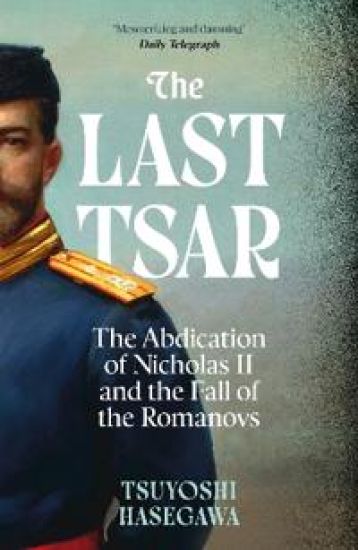
The Last Tsar

The Last Tsar

Tsuyoshi Hasegawa

John Murray Press
2024
sidottu

Halvin toimitettuna 28,00 €

A HISTORY TODAY BOOK OF THE YEAR'Impressive, often brilliant' THE TIMES'Mesmerising and damning' DAILY TELEGRAPH'Certain to become the definitive work' DOUGLAS SMITH'Elegantly written and magisterially researched' ROBERT SERVICE'Masterful . . . a chilling lesson' VLADISLAV ZUBOKThe definitive story behind the self-destruction of the autocratic Romanov dynasty, by the world's foremost expert. When Tsar Nicholas II fell from power in 1917, Imperial Russia faced a series of overlapping crises, from war to social unrest. Though Nicholas's life is often described as tragic, it was not fate that doomed the Romanovs - it was poor leadership and a blinkered faith in autocracy. Based on a trove of new archival discoveries, The Last Tsar narrates how Nicholas's resistance to reform doomed the monarchy. Encompassing the captivating personalities of the era, it untangles the struggles between the increasingly isolated Nicholas and Alexandra and the factions of scheming nobles, ruthless legislators, and pragmatic generals who sought to stabilize the restive Russian empire either with the Tsar or without him. By rejecting compromise, Nicholas undermined his supporters at crucial moments. His blunders cleared the way for all-out civil war and the eventual rise of the Soviet Union. Definitive and engrossing, The Last Tsar uncovers how Nicholas II stumbled into revolution, taking his family, the Romanov dynasty, and the whole Russian Empire down with him.

Racing the Enemy

Racing the Enemy

Tsuyoshi Hasegawa

Academic Studies Press
2022
sidottu
From April 1945, when Stalin broke the Soviet-Japanese Neutrality Pact and Harry Truman assumed the presidency, to the final Soviet military actions against Japan, Hasegawa brings to light the real reasons Japan surrendered. From Washington to Moscow to Tokyo and back again, he shows us a high-stakes diplomatic game as Truman and Stalin sought to outmaneuver each other in forcing Japan’s surrender; as Stalin dangled mediation offers to Japan while secretly preparing to fight in the Pacific; as Tokyo peace advocates desperately tried to stave off a war party determined to mount a last-ditch defense; and as the Americans struggled to balance their competing interests of ending the war with Japan and preventing the Soviets from expanding into the Pacific.
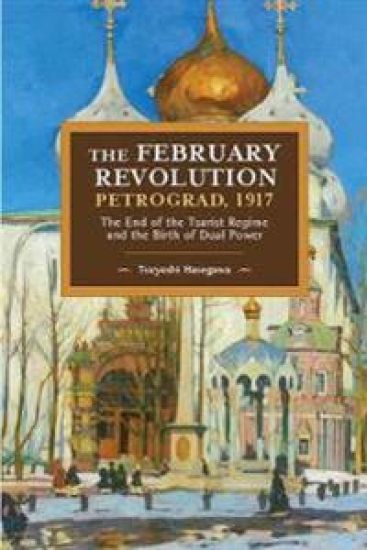
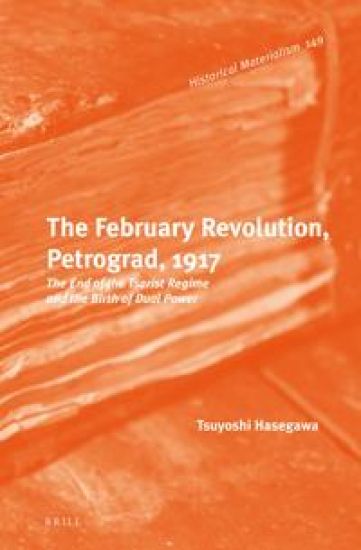
The February Revolution, Petrograd, 1917

The February Revolution, Petrograd, 1917

Tsuyoshi Hasegawa

Haymarket Books
2018
nidottu
The February Revolution, Petrograd, 1917 is the most comprehensive book on the epic uprising that toppled the tsarist monarchy and ushered in the next stage of the Russian Revolution. Hasegawa presents in detail the intense drama of the nine days of the revolution, including the workers' strike, soldiers' revolt, the scrambling of revolutionary party activists to control the revolution, and the liberals' conspiracy to force Tsar Nicholas II to abdicate.
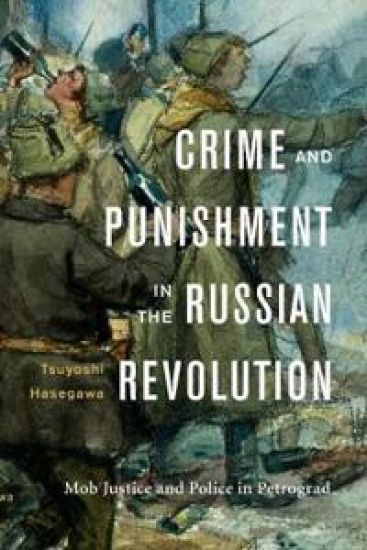
Crime and Punishment in the Russian Revolution

Crime and Punishment in the Russian Revolution

Tsuyoshi Hasegawa

The Belknap Press
2017
sidottu
Russians from all walks of life poured into the streets of the imperial capital after the February Revolution of 1917, joyously celebrating the end of Tsar Nicholas II’s monarchy. One year later, with Lenin’s Bolsheviks now in power, Petrograd’s deserted streets presented a very different scene. No celebrations marked the Revolution’s anniversary. Amid widespread civil strife and lawlessness, a fearful citizenry stayed out of sight. In Crime and Punishment in the Russian Revolution, Tsuyoshi Hasegawa offers a new perspective on Russia’s revolutionary year through the lens of violent crime and its devastating effect on ordinary people. When the Provisional Government assumed power after Nicholas II’s abdication, it set about instituting liberal reforms, including eliminating the tsar’s regular police. But dissolving this much-hated yet efficient police force and replacing it with a new municipal police led rapidly to the breakdown of order and services. Amid the chaos, crime flourished. Gangs of criminals, deserters, and hooligans brazenly roamed the streets. Mass prison escapes became common. And vigilantism spread widely as ordinary citizens felt compelled to take the law into their own hands, often meting out mob justice on suspected wrongdoers. The Bolsheviks swept into power in the October Revolution but had no practical plans to reestablish order. As crime continued to escalate and violent alcohol riots almost drowned the revolutionary regime, they redefined it as “counterrevolutionary activity,” to be dealt with by the secret police, whose harshly repressive, extralegal means of enforcement helped pave the way for a Communist dictatorship.
The February Revolution, Petrograd, 1917
The February Revolution, Petrograd, 1917 is the most comprehensive book on the epic uprising that toppled the tsarist monarchy and ushered in the next stage of the Russian Revolution. Hasegawa presents in detail the intense drama of the nine days of the revolution, including the workers' strike, soldiers' revolt, the scrambling of revolutionary party activists to control the revolution, and the liberals’ conspiracy to force Tsar Nicholas II to abdicate. Based on his previous work, published in 1981, the author has revised, enlarged, and reinterpreted the complexity of the February Revolution, resulting in a major and timely reassessment on the occasion of its centennial. See inside the book.
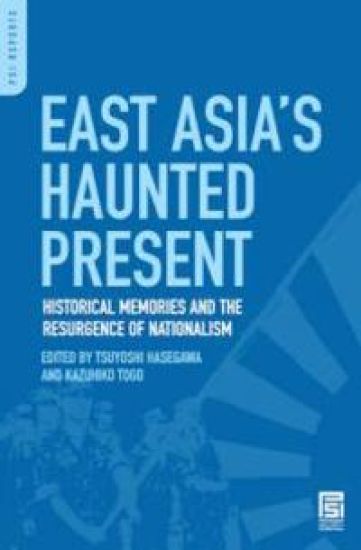
East Asia's Haunted Present

East Asia's Haunted Present

Tsuyoshi Hasegawa; Kazuhiko Togo

Praeger Publishers Inc
2008
sidottu
This collection of essays by leading scholars from Japan, China, South Korea, and the United States examines how and why bitter historical memories have resurfaced in recent years as freshly virulent and contentious issues between Japan and its neighbors—especially China and South Korea. Moreover, it seeks to identify what set of conditions and what sequence of measures will enable these modern nations to manage, palliate, and exorcise the wrongs of the past in a spirit of reconciliation, so that the dangerous growth of nationalist resentments and revanchism can be checked. Comfort women … the Yasukuni Shrine … the history textbook controversies … The single sorest issue confronting East Asia today is the growing animosity and conflict between Japan and its neighbors—especially China and South Korea—over their respective and collective memories of Japan's pre-1945 militaristic aggression, oppression, and atrocities. Even as East Asia has established itself as one of the most vibrant economic regions of the world, the strident nationalisms that have emerged here in the post-Cold War period have exacerbated historical grievances and heightened the international tensions that separate Japan from China and South Korea, blocking the development of an international system based on comity and cooperation.
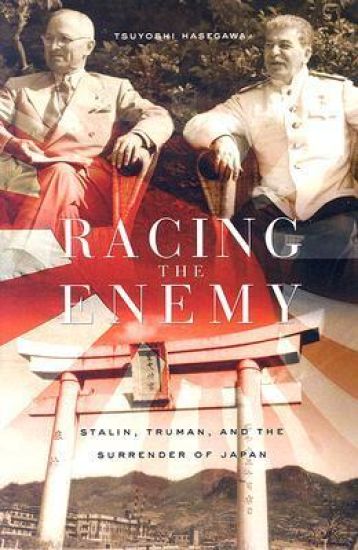
Racing the Enemy

Racing the Enemy

Tsuyoshi Hasegawa

The Belknap Press
2006
nidottu
With startling revelations, Tsuyoshi Hasegawa rewrites the standard history of the end of World War II in the Pacific. By fully integrating the three key actors in the story—the United States, the Soviet Union, and Japan—Hasegawa for the first time puts the last months of the war into international perspective. From April 1945, when Stalin broke the Soviet-Japanese Neutrality Pact and Harry Truman assumed the presidency, to the final Soviet military actions against Japan, Hasegawa brings to light the real reasons Japan surrendered. From Washington to Moscow to Tokyo and back again, he shows us a high-stakes diplomatic game as Truman and Stalin sought to outmaneuver each other in forcing Japan’s surrender; as Stalin dangled mediation offers to Japan while secretly preparing to fight in the Pacific; as Tokyo peace advocates desperately tried to stave off a war party determined to mount a last-ditch defense; and as the Americans struggled to balance their competing interests of ending the war with Japan and preventing the Soviets from expanding into the Pacific. Authoritative and engrossing, Racing the Enemy puts the final days of World War II into a whole new light.