Kirjojen hintavertailu – 12 903 724 kirjaa ja 27 kauppaa
Kirjailija
U. S. Department of Agriculture
Kirjat ja teokset yhdessä paikassa: 223 kirjaa, julkaisuja vuosilta 2001–2020, suosituimpiin kuuluu Homemade Jellies, Jams and Preserves: Farmers' Bulletin 1800. Vertaile teosten hintoja ja tarkista saatavuus suomalaisista kirjakaupoista.
Nimi esiintyy myös muodoissa: U S Department of Agriculture, U.S. Department of Agriculture
In 1965, Congress created the Land and Water Conservation Fund to embody its bipartisan commitment to safeguard natural areas, water resources and our cultural heritage, and to provide recreation opportunities to all Americans. LWCF is helping to create and protect America's outdoor spaces-public and private, large and small, urban and rural-as envisioned by the American people. Americans care deeply about our outdoor heritage, want to enjoy and protect it, and are willing to take collective responsibility to protect it for their children and grandchildren. The Land and Water Conservation Fund has provided funding to secure access for recreational opportunities throughout the country. Over its 50 year history, the Fund has protected conservation and recreation land in every state and supported tens of thousands of state and local projects. The Land and Water Conservation Fund plays an important economic role for local communities. Recreation activities in national parks, wildlife refuges, forests, marine sanctuaries, and other federally managed lands and waters contributed approximately $51 billion and 880,000 jobs to the U. S. economy in 2012. Nationally, outdoor recreation activities contribute $646 billion to the economy annually and support 6.1 million jobs. Moreover, the Land and Water Conservation Fund is a sound investment: for every $1.00 invested in Federal land acquisition through LWCF, there is a return of $4.00. It is also a smart investment: in Denver, Colorado, every federal LWCF dollar spent on revitalization of the South Platte River leveraged more than $2,000 in local and private funding. Conserving landscapes and meeting the present-day needs of local communities requires collaboration among all stakeholders, including private landowners, conservation and recreation groups, and local, state, tribal, and federal governments. The Administration's LWF request supports broad collaboration around locally driven priorities and more efficient and coordinated ways of investing in, restoring, and managing the country's natural and cultural resources.
The historical use of culturally significant plants is of interest to many Tribal peoples and to the general public. Many plants the Native Americans used were also used by pioneers and early settlers. The following document highlights how Native American Indians and early settlers used some of the plants that were available to them. Native American Indians used plants for food, shelter, medicine, ceremonies, and clothing. Many of the plants highlighted had multiple uses. Many chemicals that can be found in these plants were used as medicine but if used in a high or large dose could become toxic or poisonous. Some plants were toxic to people unless prepared correctly. Depending on the plants being used there were different methods of dealing with the poisonous or toxic properties which may have included grinding, boiling, drying, steeping, or mixing with other substances.
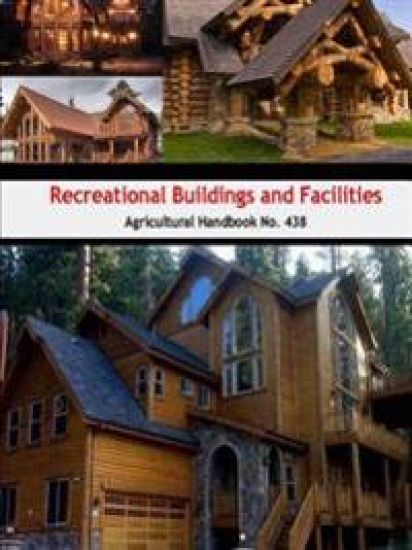
Recreational Buildings and Facilities. Nothing says rustic charm like the knotty pine cabin-grade logs used in this series. Meet recreational use compliancy with convenient 4x8 logs for practical affordability. Premiere series is distinguished by exposed architectural post and beam-style roof and loft systems.
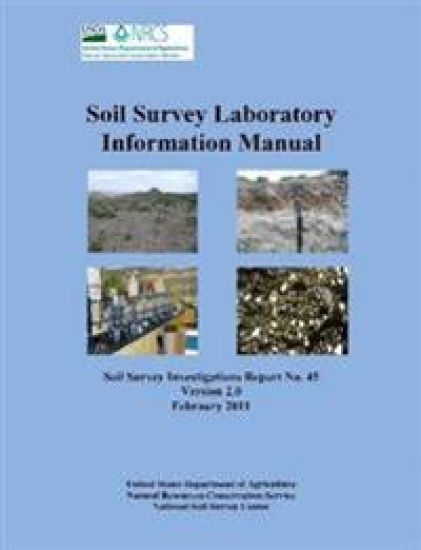
For any measurement program that collects analytical data over a long period of time for comparative purposes, the quality and credibility of those data are critical (Taylor, 1988). It is equally critical that the data can be easily understood by the user. The uses of these data include, but are not limited to, routine soil characterization, special analyses, soil classification, interpretations, and soil genesis and geomorphology studies. Because of the diverse uses of these data, it follows that pedon characterization data, or any soil survey data, are more appropriately used when the operations for collection, analysis, and reporting of these data are well understood. Results differ when different methods are used, even though these methods may carry the same name or concept. Comparison of one bit of data with another is difficult without knowing how both bits were gathered. As a result, operational definitions have been developed and are linked to specific methods.