Kirjojen hintavertailu – 12 903 725 kirjaa ja 27 kauppaa
Kirjailija
U. S. Department of Labor
Kirjat ja teokset yhdessä paikassa: 215 kirjaa, julkaisuja vuosilta 2012–2019, suosituimpiin kuuluu Lead in Construction. Vertaile teosten hintoja ja tarkista saatavuus suomalaisista kirjakaupoista.
Nimi esiintyy myös muodoissa: U S Department of Labor, U.S. Department of Labor
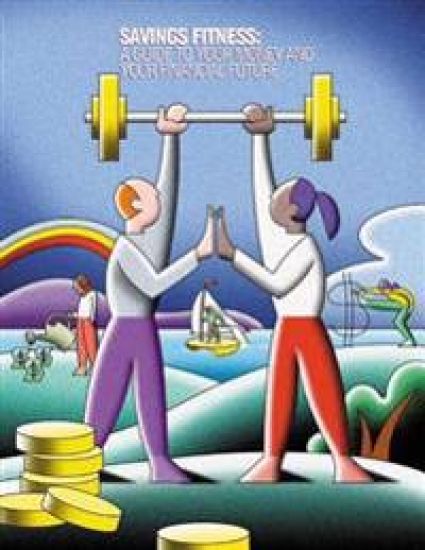
Perhaps you've never thought of "buying" your retirement. Yet that is exactly what you do when you put money into a retirement nest egg. You are paying today for the cost of your retirement tomorrow. The cost of those future years is getting more expensive for most Americans, for two reasons. First, we live longer after we retire - with many of us spending 15, 25, even 30 years in retirement - and we are more active. Second, you may have to shoulder a greater chunk of the cost of your retirement because fewer companies are providing traditional pension plans. Many retirement plans today, such as the popular 401(k), are paid for primarily by the employee, not the employer. You may not have a retirement plan available at work or you may be self-employed. This puts the responsibility of choosing retirement investments squarely on your shoulders. Unfortunately, just about 57 percent of all workers are earning retirement benefits at work, and many are not familiar with the basics of investing. Many people mistakenly believe that Social Security will pay for all or most of their retirement needs. The fact is, since its inception, Social Security has provided a minimum foundation of protection. A comfortable retirement usually requires Social Security, employer-based retirement plan benefits, personal savings and investments. In short, paying for the retirement you truly desire is ultimately your responsibility. You must take charge. You are the architect of your financial future. That may sound like an impossible task. Many of us live paycheck to paycheck, barely making ends meet. You may have more pressing financial needs and goals than "buying" something so far in the future. Or perhaps you've waited until close to retirement before starting to save. Yet you still may be able to afford to buy the kind of retirement you want. Whether you are 18 or 58, you can take steps toward a better, more secure future.
Perhaps you've never thought of "buying" your retirement. Yet that is exactly what you do when you put money into a retirement nest egg. You are paying today for the cost of your retirement tomorrow. The cost of those future years is getting more expensive for most Americans, for two reasons. First, we live longer after we retire - with many of us spending 15, 25, even 30 years in retirement - and we are more active. Second, you may have to shoulder a greater chunk of the cost of your retirement because fewer companies are providing traditional pension plans. Many retirement plans today, such as the popular 401(k), are paid for primarily by the employee, not the employer. You may not have a retirement plan available at work or you may be self-employed. This puts the responsibility of choosing retirement investments squarely on your shoulders. Unfortunately, just about 57 percent of all workers are earning retirement benefits at work, and many are not familiar with the basics of investing. Many people mistakenly believe that Social Security will pay for all or most of their retirement needs. The fact is, since its inception, Social Security has provided a minimum foundation of protection. A comfortable retirement usually requires Social Security, employer-based retirement plan benefits, personal savings and investments. In short, paying for the retirement you truly desire is ultimately your responsibility. You must take charge. You are the architect of your financial future. That may sound like an impossible task. Many of us live paycheck to paycheck, barely making ends meet. You may have more pressing financial needs and goals than "buying" something so far in the future. Or perhaps you've waited until close to retirement before starting to save. Yet you still may be able to afford to buy the kind of retirement you want. Whether you are 18 or 58, you can take steps toward a better, more secure future.
This handbook is intended to assist claims examiners in the identification and development of survivor claims that involve potential common-law marriages (these are informal relationships that can sometimes be legally recognized as valid marriages) filed under the Energy Employees Occupational Illness Compensation Program Act of 2000 (EEOICPA). EEOICPA provides that when a covered employee is deceased at the time benefits are to be paid, payment is to be made to the employee's eligible survivors. Thus, in order for a survivor to be entitled to EEOICPA benefits, he/she must provide evidence proving their relationship to the employee. Claimants can assert entitlement to EEOICPA benefits as the employee's surviving spouse by virtue of a common-law marriage. The issue of the existence of a common-law marriage most often arises when a claimant asserts eligibility for survivor benefits due to his/her status as the employee's surviving spouse, but where no licensed marriage ceremony took place. The second most common occurrence is where the claimant and the employee were legally married less than one year prior to the employee's death, but the claimant asserts that they entered into a common-law marriage before the legal marriage that satisfied EEOICPA's one-year marriage requirement. Another variant of the common-law marriage situation exists where the claimant asserts that he/she and the deceased employee were once legally married, then dissolved their marriage, and then reunited to establish a common-law marriage prior to the employee's death.