Kirjojen hintavertailu – 12 903 725 kirjaa ja 27 kauppaa
Kirjailija
Ulises A. Mejias
Kirjat ja teokset yhdessä paikassa: 6 kirjaa, julkaisuja vuosilta 2019–2024, suosituimpiin kuuluu Datenraub - Der neue Kolonialismus von Big Tech und wie wir uns dagegen wehren können. Vertaile teosten hintoja ja tarkista saatavuus suomalaisista kirjakaupoista.
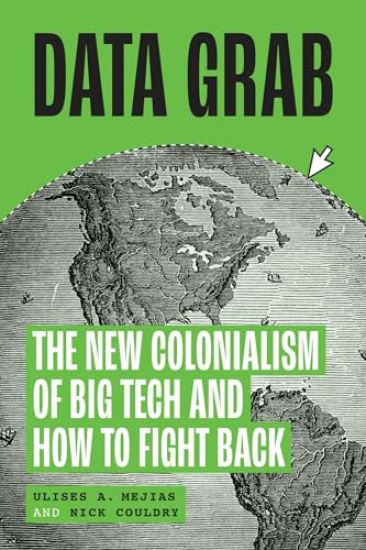
A compelling argument that the extractive practices of today's tech giants are the continuation of colonialism--and a crucial guide to collective resistance. Large technology companies like Meta, Amazon, and Alphabet have unprecedented access to our daily lives, collecting information when we check our email, count our steps, shop online, and commute to and from work. Current events are concerning--both the changing owners (and names) of billion-dollar tech companies and regulatory concerns about artificial intelligence underscore the sweeping nature of Big Tech's surveillance and the influence such companies hold over the people who use their apps and platforms. As trusted tech experts Ulises A. Mejias and Nick Couldry show in this eye-opening and convincing book, this vast accumulation of data is not the accidental stockpile of a fast-growing industry. Just as nations stole territories for ill-gotten minerals and crops, wealth, and dominance, tech companies steal personal data important to our lives. It's only within the framework of colonialism, Mejias and Couldry argue, that we can comprehend the full scope of this heist. Like the land grabs of the past, today's data grab converts our data into raw material for the generation of corporate profit against our own interests. Like historical colonialism, today's tech corporations have engineered an extractive form of doing business that builds a new social and economic order, leads to job precarity, and degrades the environment. These methods deepen global inequality, consolidating corporate wealth in the Global North and engineering discriminatory algorithms. Promising convenience, connection, and scientific progress, tech companies enrich themselves by encouraging us to relinquish details about our personal interactions, our taste in movies or music, and even our health and medical records. Do we have any other choice? Data Grab affirms that we do. To defy this new form of colonialism we will need to learn from previous forms of resistance and work together to imagine entirely new ones. Mejias and Couldry share the stories of voters, workers, activists, and marginalized communities who have successfully opposed unscrupulous tech practices. An incisive discussion of the digital media that's transformed our world, Data Grab is a must-read for anyone concerned about privacy, self-determination, and justice in the internet age.
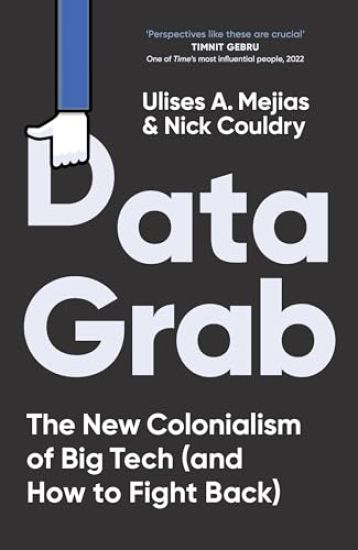
Your life online is their product. In the past, colonialism was a landgrab of natural resources, exploitative labour and private property from countries around the world. It promised to modernise and civilise, but actually sought to control. It stole from native populations and made them sign contracts they didn’t understand. It took resources just because they were there. Colonialism has not disappeared – it has taken on a new form. In the new world order, data is the new oil. Big Tech companies are grabbing our most basic natural resources – our data – exploiting our labour and connections, and repackaging our information to control our views, track our movements, record our conversations and discriminate against us. Every time we unthinkingly click ‘Accept’ on Terms and Conditions, we allow our most personal information to kept indefinitely, repackaged by big Tech companies to control and exploit us for their own profit. In this searing, cutting-edge guide, two leading global researchers – and founders of the concept of data colonialism – reveal how history can help us both to understand the emerging future and to fight back.
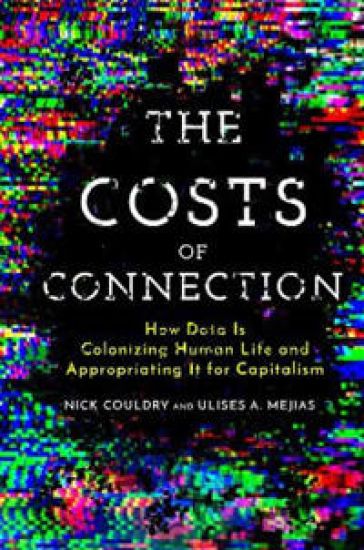
Just about any social need is now met with an opportunity to "connect" through digital means. But this convenience is not free—it is purchased with vast amounts of personal data transferred through shadowy backchannels to corporations using it to generate profit. The Costs of Connection uncovers this process, this "data colonialism," and its designs for controlling our lives—our ways of knowing; our means of production; our political participation. Colonialism might seem like a thing of the past, but this book shows that the historic appropriation of land, bodies, and natural resources is mirrored today in this new era of pervasive datafication. Apps, platforms, and smart objects capture and translate our lives into data, and then extract information that is fed into capitalist enterprises and sold back to us. The authors argue that this development foreshadows the creation of a new social order emerging globally—and it must be challenged. Confronting the alarming degree of surveillance already tolerated, they offer a stirring call to decolonize the internet and emancipate our desire for connection.
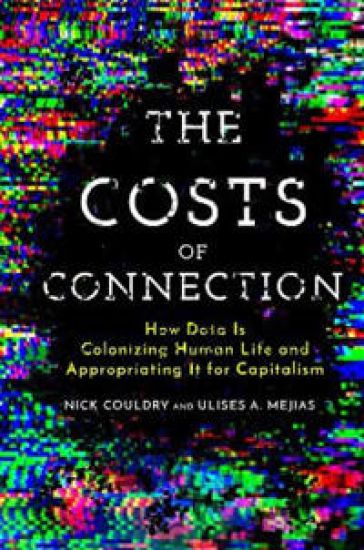
Just about any social need is now met with an opportunity to "connect" through digital means. But this convenience is not free—it is purchased with vast amounts of personal data transferred through shadowy backchannels to corporations using it to generate profit. The Costs of Connection uncovers this process, this "data colonialism," and its designs for controlling our lives—our ways of knowing; our means of production; our political participation. Colonialism might seem like a thing of the past, but this book shows that the historic appropriation of land, bodies, and natural resources is mirrored today in this new era of pervasive datafication. Apps, platforms, and smart objects capture and translate our lives into data, and then extract information that is fed into capitalist enterprises and sold back to us. The authors argue that this development foreshadows the creation of a new social order emerging globally—and it must be challenged. Confronting the alarming degree of surveillance already tolerated, they offer a stirring call to decolonize the internet and emancipate our desire for connection.