Kirjojen hintavertailu – 12 903 725 kirjaa ja 27 kauppaa
Kirjailija
United States Department of State
Kirjat ja teokset yhdessä paikassa: 504 kirjaa, julkaisuja vuosilta 2007–2025, suosituimpiin kuuluu Foreign Consulars Offices in the United States Spring/Summer 2011. Vertaile teosten hintoja ja tarkista saatavuus suomalaisista kirjakaupoista.
The Central America Region (CAR) is characterized by a concentrated HIV/AIDS epidemic with low prevalence among the general population, but high prevalence among certain subgroups such as men who have sex with men (MSM); transgender persons; male and female sex workers (SW); clients of sex workers and their partners; certain ethnic groups such as the Gar funa and Kuna; and mobile populations. According to UNAIDS in 2011, HIV prevalence in adults in CAR is highest in Belize (2.3%), followed by Panama (0.8%), Guatemala (0.8%), El Salvador (0.6%), Costa Rica (0.3%), and Nicaragua (0.2%). Data from Honduras from 2009 showed a HIV prevalence of 0.8%. These relatively low national percentages mask the concentrated epidemic among key populations (KP). Belize, a country which geographically, politically and culturally straddles both Central America and the Caribbean, is an exception with a prevalence rate above 1%, but still has an epidemic driven by the same KP. Data continue to demonstrate that transgender populations, female sex workers (FSWs) and MSM are the populations with the highest HIV prevalence rates in the region. Results from the most recent USG-supported BSS+ show the prevalence for MSM is 13.85% in Belize (2012), 9.9% in Honduras and 9.8% in El Salvador (both across multiple cities) and 7.5% in Managua, Nicaragua (2009). These numbers reflect declines among MSM in all countries, suggesting that condom promotion and other behavior change communication (BCC) prevention efforts have had a positive impact. The transgender population was included separately in these studies since it is a relatively small but very high-risk group. The HIV prevalence rates were 19.7% and 23.3% in two major cities of El Salvador and in Nicaragua, 18.8% in Managua and 14.6% in Chinandega. In the same studies, the prevalence rate was 5.7% among FSWs in the capital of El Salvador (2008), 5.5% and 4.6% in the biggest cities of Honduras (2006), 2.4% in Managua and 1.8% in Chinandega, Nicaragua (2009), and 0.9% in Belize (2012). For Honduras and El Salvador these numbers represent declines in FSW prevalence which at least partially reflects USG prevention efforts focused on these populations. In 2009, USG supported BSS+ with the Belize Defense Force showed a prevalence rate of 1.14% among military personnel. The data available suggests that intravenous drug use is not a major factor in HIV transmission in the region.
The Caribbean has higher HIV rates than any region outside of sub-Saharan Africa. The adult HIV prevalence of 1.0 percent is almost twice that of North America (0.6), and more than twice that of Latin America (0.4). Unprotected sex between men and women-especially paid sex-is believed to be the main mode of HIV transmission in this region; however, evidence indicates that substantial transmission is also occurring among men who have sex with men. In the eleven countries of the Caribbean Regional Program, data is limited and prevalence rates are missing for the general population and key populations. However, in the countries with data, prevalence rates in the general population range from a low of 1 percent in Suriname to a high of 2.8 percent in the Bahamas . An estimated 60,000 people live with HIV in the eleven countries of the Caribbean Regional program. The HIV epidemic varies within countries and across the region. For example, HIV affects young women 1.2 to 3 times more than young males in the Bahamas and Barbados, while in Jamaica, Suriname and Trinidad and Tobago the reverse is true. Progress has been made in the general population. In 2012, UNAIDS reported a decrease in the incidence of HIV infection among adults in Jamaica and Trinidad and Tobago by 26-49 percent, and over 50 percent in the Bahamas, Barbados, and Suriname. During 2008-2009, mother to child transmission of HIV was reduced to the point where elimination of new HIV infections in children has become a reality. There is also a decrease in the number of persons dying from AIDS-related causes in three countries (decrease of 25-49 percent in the Bahamas and Jamaica, and by more than 50 percent in Suriname). Other gains are not fully understood but may be a result of better data collection methods that now more accurately represent the true epidemic. Despite these gains in the general population, much work needs to be done to improve outcomes for key populations. Men who have sex with men (MSM) and female sex workers (FSW) continue to be disproportionately affected. MSM prevalence varies from 6.7 percent in Suriname to 32 percent in Jamaica. The prevalence rates for MSM in the Caribbean are the highest documented rates in the world. A comprehensive review of HIV disease burden among MSM worldwide found that pooled HIV prevalence ranged from a low of 3% in the Middle East and North Africa to a high of 25.4% of MSM in the Caribbean (Beyrer et al, 2012). FSW prevalence is reported to be as high as 24 percent in Suriname. Stigma and Discrimination affect People Living with HIV/AIDS (PLHIV) and key populations in the region. Homosexuality is criminalized in ten countries in the region (the Bahamas is the only exception) and life imprisonment exists in the penal code in several countries in the region.
The Republic of Malawi has a population of nearly 16 million people living in an area of 118,484 square kilometers (approximately the size of Ohio). As one of the poorest countries in the world, currently ranked 171 out of 187 on the Human Development Index, Malawi has faced an uphill battle to achieve improvements in key health indicators. Malawi is faced with double-digit HIV prevalence, one of the highest malaria prevalence rates in the world, and a population that is expected to double by 2030. These challenges are putting increasing pressure on land, natural resources and social services. Malawi is well known in the region for its innovations in public health programming, and maintains a well-coordinated health donor environment, under the leadership of the Sector Wide Approach (SWAp) Secretariat in the Ministry of Health (MoH). The strong national commitment and leadership to improved health outcomes, with support from development partners, has significant achievements to show for it: Malawi is on track to meet MDG 4, reducing child mortality by two-thirds by 2015 HIV prevalenceamongst 15-49 year olds has declined from 11.8 % in 2004 to 10.6% in 2010 per the Malawian Demographic and Health Survey (MDHS) Maternal mortality has decreased from 1,120 per 100,000 live births in 2000 to 675 in 2010 Fertility has declined from 6.3 births in 2000 to 5.7 births per woman in 2010 Modern contraceptive use has increased from 26% in 2000 to 42% in 2010. Modeling of 2010 ANC data and the 2010 MDHS data shows just under one million Malawians living with HIV, 19% of whom are children under 15, and 47% of whom are adult women. AIDS is the leading cause of death, with an estimated 44,000 deaths in 2011, and is a major contributing factor to Malawi's low life expectancy of 54 years. TB continues to be a challenge and co-morbidity with HIV is common. The WHO estimated 29,000 new cases of all forms of TB in 2011, with approximately 62% in PLHIV. While there has been a significant increase in TB treatment success rate of 87% (up from 67% in 2001), the overall case detection rate remains about 66%.
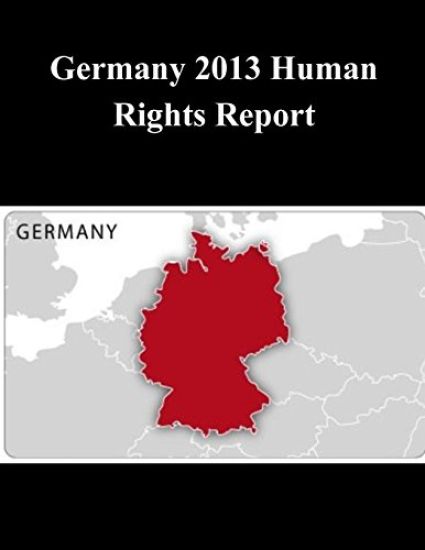
Germany is a constitutional democracy. Citizens choose their representatives periodically in free and fair multiparty elections. The lower chamber of the Federal Parliament (Bundestag) elects the head of the federal government, the chancellor. The second legislative chamber, the Federal Council (Bundesrat), represents the 16 states at the federal level and is composed of members of the state governments. Observers considered the September national elections for the Bundestag to have been free and fair. Authorities maintained effective control over security forces. Security forces did not commit human rights abuses. Right-wing extremism continued to be a serious problem. Perpetrators attacked ethnic non-Germans on a number of occasions, and there were many other expressions of xenophobia. Continuing manifestations of anti-Semitism were another serious source of concern, as there were reports of many anti-Semitic acts and behavior. Authorities attributed them primarily to adherents of the extreme right, but Muslims and persons hostile to Israel perpetrated others. There were a number of other human rights problems. Authorities continued to incarcerate certain categories of offenders after they served their sentences, asserting they remained a threat to society. The government limited the freedoms of speech, press, assembly, and association of neo-Nazi and other groups the government deemed extremist or threats to the constitution. Observers questioned whether the country's "fast procedure" for determining the refugee status of asylum seekers gave applicants a fair hearing. There were reports of gender-based violence, and trafficking of men, women, and children for sexual exploitation and labor. Societal violence and discrimination because of sexual orientation persisted, as did some societal discrimination against persons with HIV/AIDS. The government took steps to prosecute and punish officials in the security services and elsewhere in government who committed abuses.