

Kirjailija
Upton Sinclair
Kirjat ja teokset yhdessä paikassa: 621 kirjaa, julkaisuja vuosilta 1905–2026, suosituimpiin kuuluu Sylvia. Vertaile teosten hintoja ja tarkista saatavuus suomalaisista kirjakaupoista.
621 kirjaa
Kirjojen julkaisuvuodet: 1905–2026.
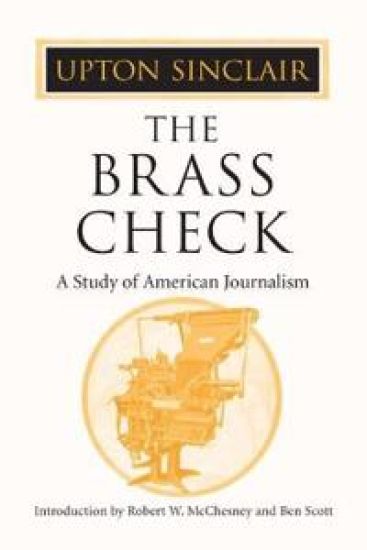
In this systematic critique of the structural basis of U. S. media -- arguably the first one ever published -- Upton Sinclair writes that “American journalism is a class institution serving the rich and spurning the poor.” Likening journalists to prostitutes, the title of the book refers to a chit that was issued to patrons of urban brothels of the era. Fueled by mounting disdain for newspapers run by business tycoons and conservative editors, Sinclair self-published The Brass Check in the years after The Jungle had made him a household name. Despite Sinclair’s claim that this was his most important book, it was dismissed by critics and shunned by reviewers. Yet it sold over 150,000 copies and enjoyed numerous printings. A substantial introduction to this paperback edition by Robert W. McChesney and Ben Scott asserts the book’s importance as a cornerstone critique of commercial journalism and a priceless resource for understanding the political turbulence of the Progressive Era.

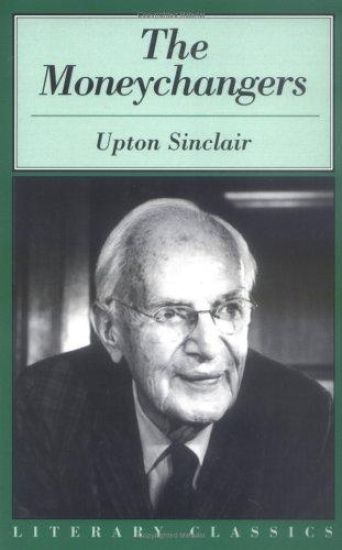
In this fictional account of the events and the key players involved in the Wall Street panic of 1907, the famous author of The Jungle depicts the glittering society of New York's fabulously wealthy, for whom money is not the object of existence, just the means of wielding power. In the midst of the alluring lifestyle of the high rollers, with their debutante balls, sumptuous summer homes in Newport, and their retinue of servants, a newcomer from the South arrives. The strikingly beautiful Lucy Dupree seeks entrance into high society through her childhood friend, Allan Montague, who is now a successful lawyer working in the city. Despite Allan's attempts to protect her, the naive Lucy soon finds herself caught in a jealous rivalry between two of the wealthiest and most unscrupulous powerbrokers. Their fight to destroy each other using high-stake financial manipulations precipitates a major Wall Street collapse and puts Lucy into great peril. Sinclair has created an exciting page-turner full of vivid characters showing rapacious capitalists at their very worst. This novel, exposing abuses that no newspaper dared to print, provides fascinating parallels to our own time of wild investor speculation and politics corrupted by money.

Allan Montague, born on a Mississippi plantation 20 years prior to the Civil War, has grown up with slavery and considers it natural. When his father moves to Boston, Allan hears a speech which will cement his transformation into an abolitionist and lead him back to the Deep South.
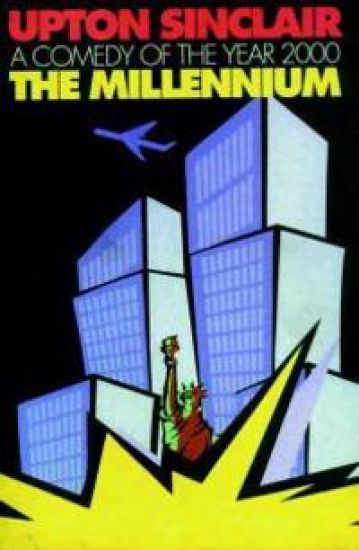
This is the first edition of The Millennium since the author self-published it in 1924. In the year 2000, capitalism reaches its zenith with the construction of the Pleasure Palace, a glittering half-mile-high structure in the middle of Central Park. During the grand opening, a scientific experiment with radiumite explodes, killing everyone on Earth except 11 people in the Pleasure Palace. Their attempt to rebuild a capitalist society results instead in the world's first successful utopian state.