Kirjojen hintavertailu – 12 903 725 kirjaa ja 27 kauppaa

Kirjailija

Valerie P. Hans

Kirjat ja teokset yhdessä paikassa: 5 kirjaa, julkaisuja vuosilta 2005–2016, suosituimpiin kuuluu Jury Ethics. Vertaile teosten hintoja ja tarkista saatavuus suomalaisista kirjakaupoista.

5 kirjaa

Kirjojen julkaisuvuodet: 2005–2016.

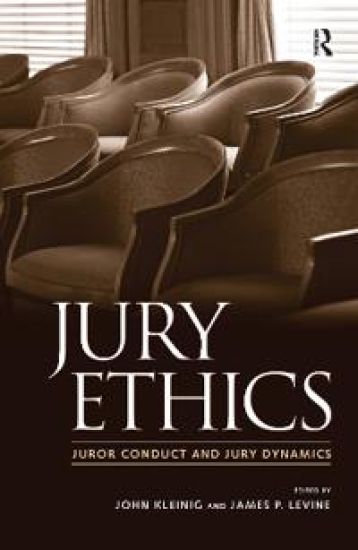
Jury Ethics

Jury Ethics

John Kleinig; James P. Levine; Jeffrey B. Abramson; B. Michael Dann; Shari Seidman Diamond; Norman J. Finkel; Paula Hannaford-Agor; Valerie P. Hans; Julie E. Howe; Nancy J. King

Paradigm
2005
sidottu
Trial by jury is one of the most important aspects of the U. S. legal system. A reflective look at how juries actually function brings out a number of ethical questions surrounding juror conduct and jury dynamics: Do citizens have a duty to serve as jurors? Might they seek exemptions? Is it acceptable for jurors to engage in after-hours research? Might a juror legitimately seek to "nullify" the outcome to express disapproval of the law? Under what conditions might jurors make a valid choice to hold out against or capitulate to their fellow jurors? Is it acceptable to form alliances? After trial, are there problems with entering into publishing contracts? Unfortunately, questions such as these have received scant attention from scholars. This book revives attention to these and other issues of jury ethics by collecting new and insightful essays along with responses from leading scholars in the field of jury studies. Is it acceptable for jurors to engage in after-hours research? Might a juror legitimately seek to "nullify" the outcome to express disapproval of the law? After trial, are there problems with entering into publishing contracts? Unfortunately, questions such as these have received scant attention from scholars. This book revives attention to these and other issues of jury ethics by collecting new and insightful essays along with responses from leading scholars in the field of jury studies. Contributors: Jeffrey Abramson, B. Michael Dann, Shari Seidman Diamond, Norman J. Finkel, Paula Hannaford-Agor, Valerie P. Hans, Julie E. Howe, Nancy J. King, John Kleinig, James P. Levine, Candace McCoy, G. Thomas Munsterman, Maureen O'Connor, Steven Penrod, Alan W. Scheflin, Neil Vidmar
Jury Ethics

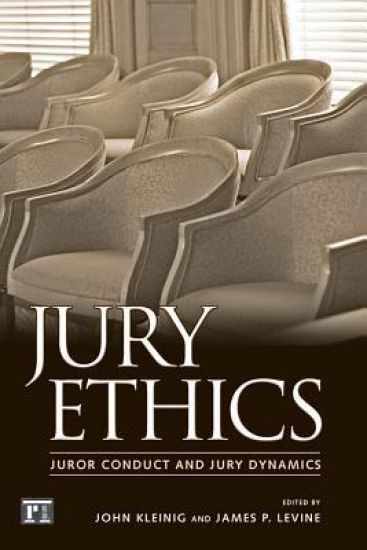
Jury Ethics

John Kleinig; James P. Levine; Jeffrey B. Abramson; B. Michael Dann; Shari Seidman Diamond; Norman J. Finkel; Paula Hannaford-Agor; Valerie P. Hans; Julie E. Howe; Nancy J. King

Paradigm
2007
nidottu
Trial by jury is one of the most important aspects of the U. S. legal system. A reflective look at how juries actually function brings out a number of ethical questions surrounding juror conduct and jury dynamics: Do citizens have a duty to serve as jurors? Might they seek exemptions? Is it acceptable for jurors to engage in after-hours research? Might a juror legitimately seek to "nullify" the outcome to express disapproval of the law? Under what conditions might jurors make a valid choice to hold out against or capitulate to their fellow jurors? Is it acceptable to form alliances? After trial, are there problems with entering into publishing contracts? Unfortunately, questions such as these have received scant attention from scholars. This book revives attention to these and other issues of jury ethics by collecting new and insightful essays along with responses from leading scholars in the field of jury studies. Is it acceptable for jurors to engage in after-hours research? Might a juror legitimately seek to "nullify" the outcome to express disapproval of the law? After trial, are there problems with entering into publishing contracts? Unfortunately, questions such as these have received scant attention from scholars. This book revives attention to these and other issues of jury ethics by collecting new and insightful essays along with responses from leading scholars in the field of jury studies. Contributors: Jeffrey Abramson, B. Michael Dann, Shari Seidman Diamond, Norman J. Finkel, Paula Hannaford-Agor, Valerie P. Hans, Julie E. Howe, Nancy J. King, John Kleinig, James P. Levine, Candace McCoy, G. Thomas Munsterman, Maureen O'Connor, Steven Penrod, Alan W. Scheflin, Neil Vidmar
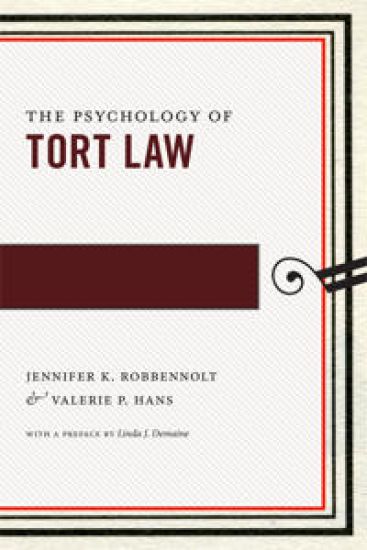
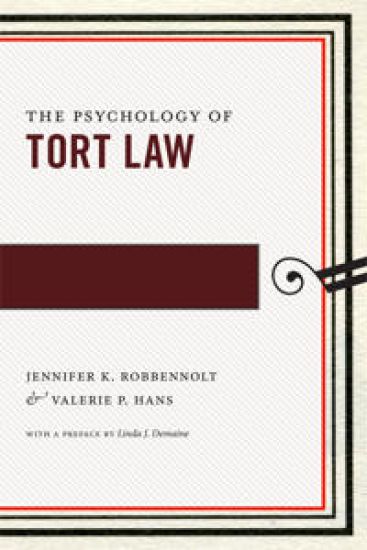
The Psychology of Tort Law

The Psychology of Tort Law

Jennifer K. Robbennolt; Valerie P. Hans

New York University Press
2016
pokkari
Tort law regulates most human activities: from driving a car to using consumer products to providing or receiving medical care. Injuries caused by dog bites, slips and falls, fender benders, bridge collapses, adverse reactions to a medication, bar fights, oil spills, and more all implicate the law of torts. The rules and procedures by which tort cases are resolved engage deeply-held intuitions about justice, causation, intentionality, and the obligations that we owe to one another. Tort rules and procedures also generate significant controversy—most visibly in political debates over tort reform. The Psychology of Tort Law explores tort law through the lens of psychological science. Drawing on a wealth of psychological research and their own experiences teaching and researching tort law, Jennifer K. Robbennolt and Valerie P. Hans examine the psychological assumptions that underlie doctrinal rules. They explore how tort law influences the behavior and decision-making of potential plaintiffs and defendants, examining how doctors and patients, drivers, manufacturers and purchasers of products, property owners, and others make decisions against the backdrop of tort law. They show how the judges and jurors who decide tort claims are influenced by psychological phenomena in deciding cases. And they reveal how plaintiffs, defendants, and their attorneys resolve tort disputes in the shadow of tort law. Robbennolt and Hans here shed fascinating light on the tort system, and on the psychological dynamics which undergird its functioning.
The Psychology of Tort Law

The Psychology of Tort Law

Jennifer K. Robbennolt; Valerie P. Hans

New York University Press
2016
sidottu
Tort law regulates most human activities: from driving a car to using consumer products to providing or receiving medical care. Injuries caused by dog bites, slips and falls, fender benders, bridge collapses, adverse reactions to a medication, bar fights, oil spills, and more all implicate the law of torts. The rules and procedures by which tort cases are resolved engage deeply-held intuitions about justice, causation, intentionality, and the obligations that we owe to one another. Tort rules and procedures also generate significant controversy—most visibly in political debates over tort reform. The Psychology of Tort Law explores tort law through the lens of psychological science. Drawing on a wealth of psychological research and their own experiences teaching and researching tort law, Jennifer K. Robbennolt and Valerie P. Hans examine the psychological assumptions that underlie doctrinal rules. They explore how tort law influences the behavior and decision-making of potential plaintiffs and defendants, examining how doctors and patients, drivers, manufacturers and purchasers of products, property owners, and others make decisions against the backdrop of tort law. They show how the judges and jurors who decide tort claims are influenced by psychological phenomena in deciding cases. And they reveal how plaintiffs, defendants, and their attorneys resolve tort disputes in the shadow of tort law. Robbennolt and Hans here shed fascinating light on the tort system, and on the psychological dynamics which undergird its functioning.
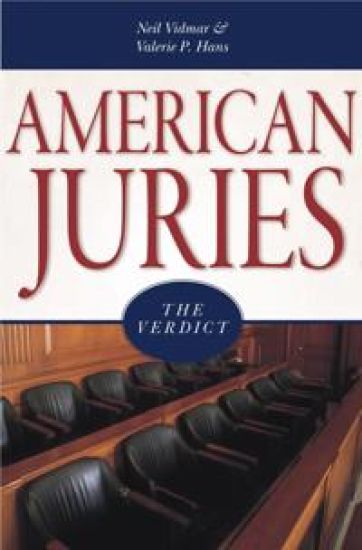
American Juries

American Juries

Neil Vidmar; Valerie P. Hans

Prometheus Books
2007
sidottu
Although the right to trial by jury is enshrined in the U. S. Constitution, in recent years both criminal and civil juries have been criticized as incompetent, biased, and irresponsible. For example, the O. J. Simpson criminal jury's verdict produced a racial divide in opinions about that trial. And many Americans still hold strong views about the jury that awarded millions of dollars to a woman who spilled a cup of McDonald's coffee on herself. It's said that there are "judicial hellholes" where local juries provide "jackpot justice" in medical malpractice and product liability cases with corporate defendants. Are these claims valid? This monumental and comprehensive volume reviews over fifty years of empirical research on civil and criminal juries and returns a verdict that strongly supports the jury system. Rather than relying on anecdotes, Vidmar and Hans—renowned scholars of the jury system—place the jury system in its historical and contemporary context, giving the stories behind important trials while providing fact-based answers to critical questions. How do juries make decisions and how do their verdicts compare to those of trial judges and technical experts? What roles do jury consultants play in influencing trial outcomes? Can juries understand complex expert testimony? Under which circumstances do capital juries decide to sentence a defendant to die? Are juries biased against doctors and big business? Should juries be allowed to give punitive damages? How do juries respond to the insanity defense? Do jurors ignore the law? Finally, the authors consider various suggestions for improving the way that juries are asked to carry out their duties. After briefly comparing the American jury to its counterparts in other nations, they conclude that our jury system, despite occasional problems, is, on balance, fair and democratic, and should remain an indispensable component of the judicial process for the foreseeable future.