
Kirjojen hintavertailu – 12 859 819 kirjaa ja 27 kauppaa

Kirjailija

Vanessa Smith Morest

Kirjat ja teokset yhdessä paikassa: 2 kirjaa, julkaisuja vuosilta 2007–2012, suosituimpiin kuuluu Community College Student Success. Vertaile teosten hintoja ja tarkista saatavuus suomalaisista kirjakaupoista.

2 kirjaa

Kirjojen julkaisuvuodet: 2007–2012.

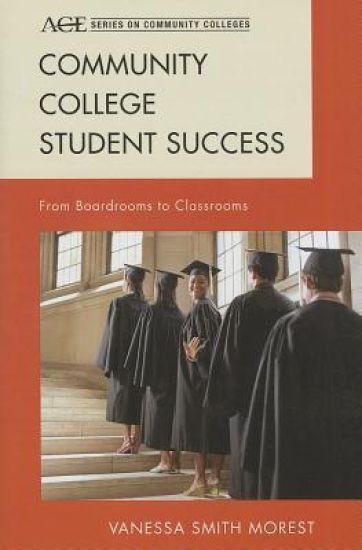
Community College Student Success

Community College Student Success

Vanessa Smith Morest

Rowman Littlefield
2012
sidottu
Student Success: From Board Rooms to Classrooms analyzes the emerging body of scholarly research on student success in an accessible and readable way that community college leaders will find both interesting and relevant. To further illustrate the connections between research and practice, case studies are drawn from community colleges that are engaging in reform. Morest offers a three-pronged approach for community college leaders seeking to improve the success of their students. First, community college leaders need to look around at the technological transformation that has occurred in other service sectors and import some of these ideas to student services. Second, community college leaders need to explicitly socialize their students to become college students and to bond with their community college. Finally, improving the quality of teaching is particularly important with regard to developmental education, where students are attempting to master material that they have ostensibly been taught in the past.

Defending the Community College Equity Agenda

Defending the Community College Equity Agenda

Thomas Bailey; Vanessa Smith Morest

Johns Hopkins University Press
2007
nidottu
Community colleges enroll almost half of all undergraduates in the United States. These two-year colleges manifest the American commitment to accessible and affordable higher education. With about 1,200 institutions nationwide, community colleges have made significant progress over the past decade in opening access and have become the critical entry point to higher education for many Americans who traditionally have been left out of educational and economic opportunity. Yet economic, political, and social developments have increased the challenges community colleges face in pursuing an "equity agenda." Some of these include falling state budgets combined with growing enrollments, a greater emphasis on outcome-based accountability, competition from for-profit institutions, and growing immigrant student populations. These trials come at a time when community colleges confront crucial economic and workforce development pressures that may impact their mission. How can community colleges continue to maintain their open-door policies, support underprepared students, and struggle to help enrolled students complete degrees and certificates that prepare them for success in the workplace? Building on case studies of colleges in six states -- New York, Texas, Florida, California, Washington, and Illinois -- this volume offers a fresh examination of the issues currently facing American community colleges. Drawing on their fieldwork supplemented by national data, the authors analyze how these challenges impact the community college mission of educational opportunity -- especially for low-income students, students of color, and other underserved groups -- and how colleges are responding to a drastically different environment. They then propose a set of strategies to strengthen the role of community colleges in providing both access and opportunities for achievement for all students.