Kirjojen hintavertailu – 12 875 622 kirjaa ja 26 kauppaa

Kirjailija

Veli-Pekka Tynkkynen

Kirjat ja teokset yhdessä paikassa: 3 kirjaa, julkaisuja vuosilta 2019–2024, suosituimpiin kuuluu How Europe Got Russia Wrong. Vertaile teosten hintoja ja tarkista saatavuus suomalaisista kirjakaupoista.

3 kirjaa

Kirjojen julkaisuvuodet: 2019–2024.

How Europe Got Russia Wrong

How Europe Got Russia Wrong

Veli-Pekka Tynkkynen

EDWARD ELGAR PUBLISHING LTD
2024
sidottu
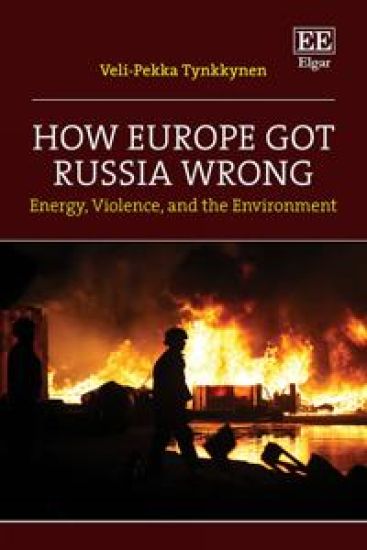
This topical book examines Europe’s relationship with Russia from the 1990s onwards through three distinct lenses: energy, violence and the environment. Veli-Pekka Tynkkynen explores new ways of promoting and protecting the European objectives of peace, sustainability, democracy, and the rule of law. Tynkkynen employs a Foucauldian power-analytics perspective to examine the influence and adaptability of the German-led Ostpolitik rationale, emphasizing the idea of peacebuilding interdependency. By juxtaposing European discourses to Russian and critically analyzing post-Cold War European Russia policy, the book shows how Europe got Russia wrong and what should be learned from past mistakes. It unfolds the repertoire of non-military means the EU could utilize to isolate and confine the colonial and imperial Russia. Ultimately, Tynkkynen proposes a new strategy for Europe - one that attracts, empowers and forces Russians to choose a more democratic and sustainable future. Broad and interdisciplinary in scope, this book is invaluable for students and scholars of environmental politics and policy, international relations and European politics. Its use of autoethnographic methods are also beneficial for policymakers and advisors concerned with Europe-Russia relations.
Venäjä, energiavalta

Venäjä, energiavalta

Veli-Pekka Tynkkynen

Gaudeamus
2022
nidottu

Halvin toimitettuna 14,90 €

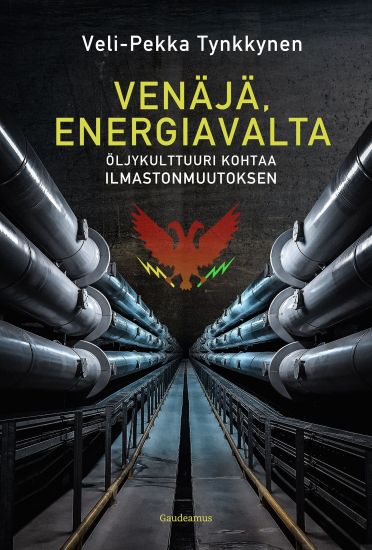
Energian ja vallan kytkös on Venäjälle kohtalonkysymys. Putinin hallinto on hyödyntänyt öljyä ja kaasua poliittisten tavoitteidensa ajamiseen niin kotimaassa kuin kansainvälisestikin. Se väistelee vastuuta ilmastonmuutoksen torjunnassa, hamuaa arktisen alueen rikkauksia ja on valmis avoimeen hyökkäyssotaan pitääkseen kiinni vallastaan. Venäjä, energiavalta seuraa öljyn ja kaasun virtaamista venäläisen yhteiskunnan läpi - maan uumenista kotimaisille kuluttajille ja kansainvälisille markkinoille. Teos tutkii, millä tavoin riippuvuutta fossiilisista energialähteistä oikeutetaan tavallisille venäläisille ja minkälaista roolia ne näyttelevät maan ulkosuhteissa. Esimerkiksi öljy- ja kaasutulojen ansiosta valtiollinen ydinvoimayhtiö Rosatom on voinut tarjota huokeaan hintaan ydinvoimalahankkeita ulkomaille, muun muassa Suomeen. Vaikka Venäjä on täysin riippuvainen öljystä ja kaasusta, maalla olisi valtavine luonnonvaroineen kaikki edellytykset muuttua myös uusiutuvan energian suurvallaksi. Samalla autoritaarisuuden ja sotilaallisen voimankäytön tilalle voisivat astua demokratia ja kansainvälinen yhteistyö.
The Energy of Russia

The Energy of Russia

Veli-Pekka Tynkkynen

Edward Elgar Publishing Ltd
2019
sidottu
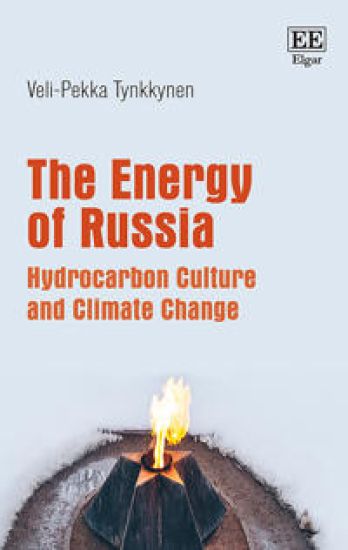
This timely book analyses the status of hydrocarbon energy in Russia as both a saleable commodity and as a source of societal and political power. Through empirical studies in domestic and foreign policy contexts, Veli-Pekka Tynkkynen explores the development of a hydrocarbon culture in Russia and the impact this has on its politics, identity and approach to climate change and renewable energy. Cogent and compelling, this book demonstrates how the Russian state leverages its oil and gas reserves in order to create and maintain power both domestically and internationally. Tynkkynen uses empirical studies of key topics such as the national gas programme Gazprom, the Arctic, climate discourse and anthropogenic climate change denial, and the Russia-Finland energy trade to critically examine the situation. The book concludes with a convincing argument for the potential of renewable energy to build a more resilient and sustainable future for Russia and how this might be achieved. This will prove crucial reading for scholars and students of Russian and Eastern European studies and energy and environmental studies, as well as geographers, anthropologists and political scientists. Those working in governments, international organizations and corporations with an interest in Russian energy will also find its insights useful.