Kirjojen hintavertailu – 12 903 725 kirjaa ja 27 kauppaa

Kirjailija

Vera Lopez

Kirjat ja teokset yhdessä paikassa: 3 kirjaa, julkaisuja vuosilta 2017–2021, suosituimpiin kuuluu Shamanic Mysteries of Peru. Vertaile teosten hintoja ja tarkista saatavuus suomalaisista kirjakaupoista.

3 kirjaa

Kirjojen julkaisuvuodet: 2017–2021.

Shamanic Mysteries of Peru

Shamanic Mysteries of Peru

Vera Lopez; Linda Star Wolf

Bear Company
2021
pokkari
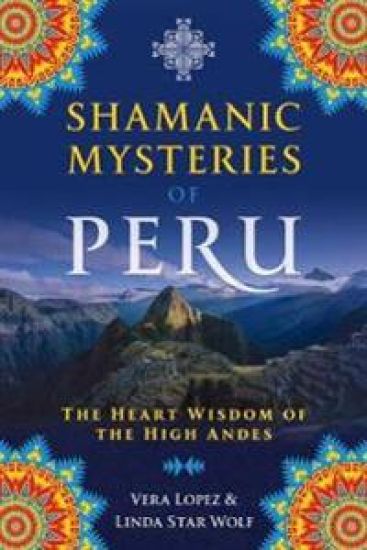
An experiential guide to the sacred places and teachings of Andean shamanism • Explores the cosmology and core shamanic beliefs of the Andean people, including Pachamama and power animals such as condors, snakes, hummingbirds, and pumas • Takes you on an intimate journey through the sacred sites, temples, and power places of Peru, including Machu Picchu, Cuzco, Ollantaytambo, Sacsayhuamán, Písac, Lake Titicaca, and more • Shares initiatory rites and shamanic journeying practices to allow you to integrate and embody the wisdom of each sacred place The Andes Mountains of Peru are rich with ancient shamanic traditions, sacred places, and heart wisdom passed down from the Inca and safeguarded for generations by the Q’eros nation. In this experiential guide to the wisdom and practices of the Andean people and their sacred land, Vera Lopez and Linda Star Wolf take you on an intimate journey through the sacred sites, temples, and power places of Peru, including Machu Picchu, Cuzco, Ollantaytambo, Sacsayhuamán, Písac, Lake Titicaca, and more. They show how each of these powerful sites holds an ancient wisdom--an initiation left behind by the Inca--and they share initiatory rites and shamanic journeying practices to allow you to integrate and embody the wisdom of each sacred place. The authors explore the cosmology and core shamanic beliefs of the Andean people, including Pachamama, the Sacred Law of Reciprocity, the Serpent of Light, the Chakannah, and power animals such as condors, snakes, hummingbirds, and pumas. They examine healing practices and sacred plants of this tradition, including a look at the shamanic use of ayahuasca and San Pedro. Offering direct access to the gentle heart of wisdom found within the ancient shamanic land of Peru, the authors show how the Andean shamanic tradition offers an antidote to the modern epidemic of Soul Loss by connecting us back to our authentic self and the universal principles of love, reciprocity, and gratitude.
Complicated Lives

Complicated Lives

Vera Lopez

Rutgers University Press
2017
sidottu
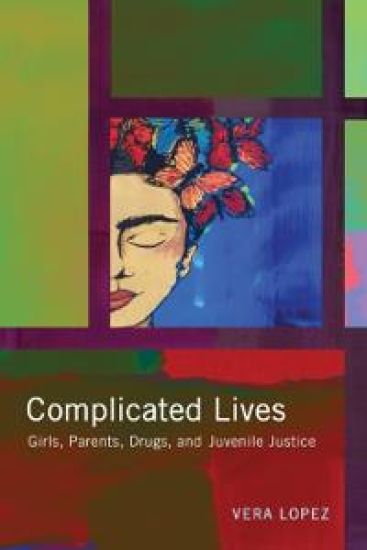
Winner of the 2019 Intersectional Book Award from the American Society of Criminology's Division on Women & Crime? Complicated Lives focuses on the lives of sixty-five drug-using girls in the juvenile justice system (living in group homes, a residential treatment center, and a youth correctional facility) who grew up in families characterized by parental drug use, violence, and child maltreatment. Vera Lopez situates girls’ relationships with parents who fail to live up to idealized parenting norms and examines how these relationships change over time, and ultimately contribute to the girls’ future drug use and involvement in the justice system. While Lopez’s subjects express concerns and doubt in their chances for success, Lopez provides an optimistic prescription for reform and improvement of the lives of these young women and presents a number of suggestions ranging from enhanced cultural competency training for all juvenile justice professionals to developing stronger collaborations between youth and adult serving systems and agencies.
Complicated Lives

Complicated Lives

Vera Lopez

Rutgers University Press
2017
nidottu
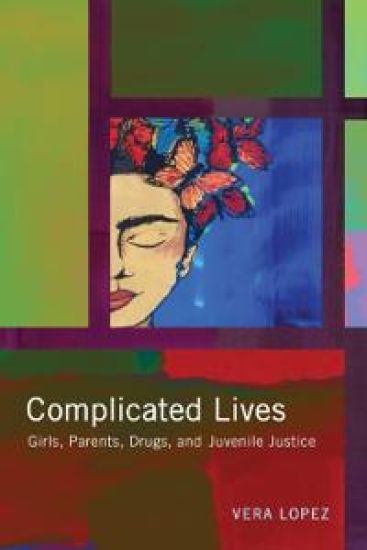
Winner of the 2019 Intersectional Book Award from the American Society of Criminology's Division on Women & Crime? Complicated Lives focuses on the lives of sixty-five drug-using girls in the juvenile justice system (living in group homes, a residential treatment center, and a youth correctional facility) who grew up in families characterized by parental drug use, violence, and child maltreatment. Vera Lopez situates girls’ relationships with parents who fail to live up to idealized parenting norms and examines how these relationships change over time, and ultimately contribute to the girls’ future drug use and involvement in the justice system. While Lopez’s subjects express concerns and doubt in their chances for success, Lopez provides an optimistic prescription for reform and improvement of the lives of these young women and presents a number of suggestions ranging from enhanced cultural competency training for all juvenile justice professionals to developing stronger collaborations between youth and adult serving systems and agencies.