Kirjojen hintavertailu – 12 859 829 kirjaa ja 27 kauppaa

Kirjailija

Veronica Franco

Kirjat ja teokset yhdessä paikassa: 6 kirjaa, julkaisuja vuosilta 1999–2022, suosituimpiin kuuluu Riding the Academic Freedom Train. Vertaile teosten hintoja ja tarkista saatavuus suomalaisista kirjakaupoista.

6 kirjaa

Kirjojen julkaisuvuodet: 1999–2022.

Riding the Academic Freedom Train

Riding the Academic Freedom Train

Jeanett Castellanos; Joseph L. White; Veronica Franco

TAYLOR FRANCIS INC
2022
nidottu
Mentoring demonstrably increases the retention of undergraduate and graduate students and is moreover invaluable in shaping and nurturing academic careers. With the increasing diversification of the student body and of faculty ranks, there’s a clear need for culturally responsive mentoring across these dimensions. Recognizing the low priority that academia has generally given to extending the practice of mentoring – let alone providing mentoring for Black, indigenous, and people of color (BIPOC) and first generation students – this book offers a proven and holistic model of mentoring practice, developed in the field of psychology, that not only helps mentees navigate their studies and the academy but provides them with an understanding of the systemic and racist barriers they will encounter, validates their cultural roots and contributions, and attends to their personal development. Further recognizing the demands that mentoring places on already busy faculty, the model addresses ways of distributing the work, inviting White and BIPOC faculty to participate, developing mentees’ capacities to mentor those that follow them, building a network of mentoring across generations, and adopting group mentoring. Intentionally planned and implemented, the model becomes self-perpetuating, building an intergenerational cadre of mentors who can meet the growing and continuing needs of the BIPOC community. Opening with a review of the salient research on effective mentoring, and chapters that offer minority students’ views on what has worked for them, as well as reflections by faculty mentors, the core of the book describes the Freedom Train model developed by the godfather of Black psychology, Dr. Joseph White, setting out the principles and processes that inform the Multiracial / Multiethnic / Multicultural (M3) Mentoring Model that evolved from it, and offers an example of group mentoring. While addressed principally to faculty interested in undertaking mentoring, and supporting minoritized students and faculty, the book also addresses Deans and Chairs and how they can create Freedom Train communities and networks by changing the cultural climate of their institutions, providing support, and modifying faculty evaluations and rewards that will in turn contribute to student retention as well as creative and productive scholarship and research. This is a timely and inspiring book for anyone in the academy concerned with the success of BIPOC students and invigorating their department’s or school’s scholarship.
Riding the Academic Freedom Train

Riding the Academic Freedom Train

Jeanett Castellanos; Joseph L. White; Veronica Franco

TAYLOR FRANCIS INC
2022
sidottu
Mentoring demonstrably increases the retention of undergraduate and graduate students and is moreover invaluable in shaping and nurturing academic careers. With the increasing diversification of the student body and of faculty ranks, there’s a clear need for culturally responsive mentoring across these dimensions. Recognizing the low priority that academia has generally given to extending the practice of mentoring – let alone providing mentoring for Black, indigenous, and people of color (BIPOC) and first generation students – this book offers a proven and holistic model of mentoring practice, developed in the field of psychology, that not only helps mentees navigate their studies and the academy but provides them with an understanding of the systemic and racist barriers they will encounter, validates their cultural roots and contributions, and attends to their personal development. Further recognizing the demands that mentoring places on already busy faculty, the model addresses ways of distributing the work, inviting White and BIPOC faculty to participate, developing mentees’ capacities to mentor those that follow them, building a network of mentoring across generations, and adopting group mentoring. Intentionally planned and implemented, the model becomes self-perpetuating, building an intergenerational cadre of mentors who can meet the growing and continuing needs of the BIPOC community. Opening with a review of the salient research on effective mentoring, and chapters that offer minority students’ views on what has worked for them, as well as reflections by faculty mentors, the core of the book describes the Freedom Train model developed by the godfather of Black psychology, Dr. Joseph White, setting out the principles and processes that inform the Multiracial / Multiethnic / Multicultural (M3) Mentoring Model that evolved from it, and offers an example of group mentoring. While addressed principally to faculty interested in undertaking mentoring, and supporting minoritized students and faculty, the book also addresses Deans and Chairs and how they can create Freedom Train communities and networks by changing the cultural climate of their institutions, providing support, and modifying faculty evaluations and rewards that will in turn contribute to student retention as well as creative and productive scholarship and research. This is a timely and inspiring book for anyone in the academy concerned with the success of BIPOC students and invigorating their department’s or school’s scholarship.
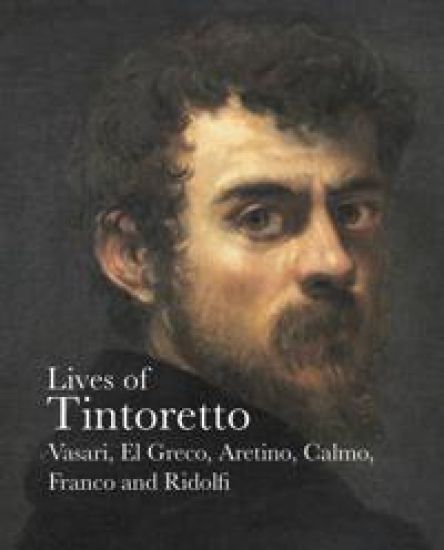
Lives of Tintoretto

Lives of Tintoretto

Giorgio Vasari; Pietro Aretino; Carlo Ridolfi; Andrea Calmo; Veronica Franco; El Greco

Pallas Athene Publishers
2019
nidottu
The most exhilarating painter of the Renaissance and arguably of the whole of western art, Tintoretto was known as 'Il Furioso' because of the attack and energy of his style. His vaunting ambition is recorded in the inscription he placed in his studio: l disegno di Michelangelo ed il colorito di Tiziano ("Michelangelo's drawing and Titian's colour"). The Florentines Vasari and Borghini, and the Venetians Ridolfi and Boschini wrote the earliest biographies of the artist. The four accounts are related to each other and form the backbone of the critical success of Tintoretto. Borghini is the first one to give some information about Marietta Tintoretto, also an artist, and Ridolfi is the richest in anecdotes about the artist's life and personality - including the one about the inscription which he may, however, have invented. Boschini, a witty Venetian nationalist, wrote his account in dialect verse. El Greco, whose marginal notes to Vasari are included for the first time in English, Calmo and Franco knew Tintoretto personally and their writings give a real flavour of this complicated man. Unavailable in any form for many years, these biographies have been newly edited for this edition. They are introduced by the scholar Carlo Corsato, who places each in its artistic and literary context. Approximately 50 pages of colour illustrations cover the full range of Tintoretto's astonishing output.
Rime

Rime

Veronica Franco

Createspace Independent Publishing Platform
2017
nidottu
Se ben lontanissima corrispondenza e quasi disproporzionata proporzione si trova tra le chiarissime virt dell'Altezza Vostra e 'l mio desiderio d'onorarla e degnamente servirla, s che tutto quello ch'io potessi .
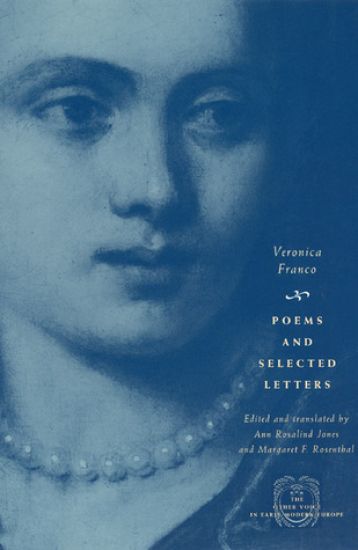
Poems and Selected Letters

Poems and Selected Letters

Veronica Franco

University of Chicago Press
1999
nidottu

Halvin toimitettuna 34,50 €

Veronica Franco was a 16th-century Venetian beauty, poet, and protofeminist. This collection presents the eroticism and eloquence that set her apart from the chaste, silent woman prescribed by Renaissance gender ideology. As an "honored courtesan", Franco made her living by arranging to have sexual relations, for a high fee, with the elite of Venice and the many travellers - merchants, ambassadors, even kings - who passed through the city. Courtesans needed to be beautiful, sophisticated in their dress and manners, and elegant, cultivated conversationalists. Exempt from many of the social and educational restrictions placed on women of the Venetian patrician class, Franco used her position to recast "virtue" as "intellectual integrity," offering wit and refinement in return for patronage and a place in public life. Franco became a writer by allying herself with distinguished men at the centre of her city's culture, particularly in the informal meetings of a literary salon at the home of Domenico Venier, the oldest member of a noble family and a former Venetian senator. Through Venier's protection and her own determination, Franco published work in which she defended her fellow courtesans, speaking out against their mistreatment by men and criticizing the subordination of women in general. Venier also provided literary counsel when she responded to insulting attacks written by the male Venetian poet Maffio Venier. Franco's insight into the power conflicts between men and women and her awareness of the threat she posed to her male contemporaries make her life and work pertinent today.