Air War Over Greece 1940–1950
Victor Flintham
PEN SWORD BOOKS LTD
2026
sidottu
Halvin toimitettuna 38,00 €
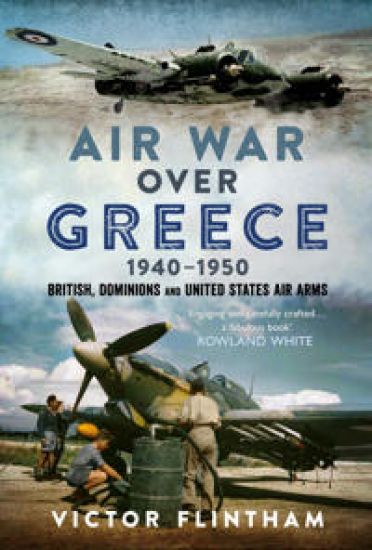
Following the Italian invasion of Greece in October 1940, the RAF reluctantly deployed three squadrons of Bristol Blenheim light bombers and one squadron of Gloster Gladiators, an obsolescent biplane fighter, to assist the Greek defenders. The fear among the Allies was that with Greece in Axis hands, enemy supply lines to North Africa would be significantly shortened, threatening the Allied position there and in the Middle East. By the time Germany joined the invasion in April 1941, both the RAF and FAA had committed more squadrons and been joined by army units, but they were soon overwhelmed, retreating to Crete, from where they were evicted in May 1941 after a massive German paratroop operation. For the next three years the RAF and FAA attacked Axis forces on Crete, mainland Greece and in the Aegean with mixed success. In addition, Allied air arms, including USAAF units, dropped weapons and supplies to the Greek partisan groups. In late 1944, as the Germans were forced to withdraw from Greece, RAF units once again flew into Greek airfields, yet they were soon drawn into the bitter civil war, fighting alongside Greek government forces against Communist insurgents. After the final withdrawal of operational units in 1946, the RAF retained an air delegation in Athens until 1952, when Greece joined NATO. Richly illustrated with detailed maps and rare and previously unpublished photographs, Air War Over Greece 1940–1950: British, Dominions and United States Air Arms examines in unique detail a neglected corner of military aviation history.