Kirjojen hintavertailu – 12 859 827 kirjaa ja 27 kauppaa
Kirjailija
Victor Hugo
Kirjat ja teokset yhdessä paikassa: 2 201 kirjaa, julkaisuja vuosilta 1954–2026, suosituimpiin kuuluu Oration on Voltaire. Vertaile teosten hintoja ja tarkista saatavuus suomalaisista kirjakaupoista.
Victor Hugo, n le 26 f vrier 1802 Besan on et mort le 22 mai 1885 Paris, est un po te, dramaturge et crivain romantique consid r comme l'un des plus grands auteurs de langue fran aise. Il est aussi une personnalit politique importante au XIX i me si cle.
Victor Hugo, n le 26 f vrier 1802 Besan on et mort le 22 mai 1885 Paris, est un po te, dramaturge et crivain romantique consid r comme l'un des plus grands auteurs de langue fran aise. Il est aussi une personnalit politique importante au XIX i me si cle.
Les Mis rables is a French historical novel by Victor Hugo, first published in 1862, that is considered one of the greatest novels of the 19th century. In the English-speaking world, the novel is usually referred to by its original French title. However, several alternatives have been used, including The Miserables, The Wretched, The Miserable Ones, The Poor Ones, The Wretched Poor, The Victims and The Dispossessed. Beginning in 1815 and culminating in the 1832 June Rebellion in Paris, the novel follows the lives and interactions of several characters, particularly the struggles of ex-convict Jean Valjean and his experience of redemption. Examining the nature of law and grace, the novel elaborates upon the history of France, the architecture and urban design of Paris, politics, moral philosophy, antimonarchism, justice, religion, and the types and nature of romantic and familial love.
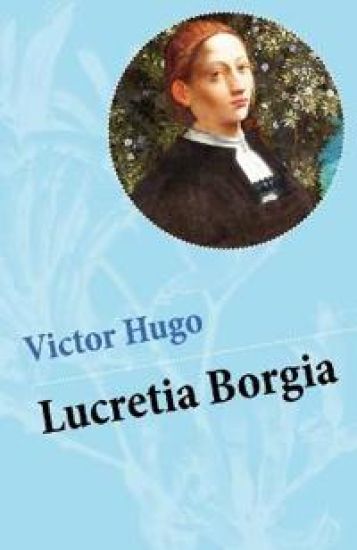
Lucrezia Borgia (lat. Lucretia Borgia; span. Lucrecia Borja; 1480 - 1519) war eine italienisch-spanische Renaissancef rstin und die au ereheliche Tochter Papst Alexanders VI. mit seiner Geliebten Vanozza de' Cattanei. Sie war die Schwester von Cesare, Juan und Jofr Borgia. Die von Zeitgenossen als h bsch und lebenslustig beschriebene Lucrezia wurde nach dem Aufstieg ihrer ber chtigten Familie Nutznie erin, vor allem aber Instrument der Politik ihres Vaters. Alexander VI., der sie ber alles liebte, bergab ihr mehrfach w hrend seiner Abwesenheit die Regierungsgesch fte im Vatikan. Er verheiratete sie dreimal in politisch motivierte Ehen, um die Macht der Borgia zu festigen. Lucrezias erste Ehe mit Giovanni Sforza wurde aufgel st, als sie f r die Borgia ihren Nutzen verlor, ihr zweiter Ehemann, Alfonso von Aragon (1481-1500), Herzog von Bisceglie, wurde vermutlich auf Befehl ihres Bruders Cesare ermordet. In dritter Ehe heiratete sie schlie lich Alfonso d'Este, Herzog von Ferrara, mit dem sie bis zu ihrem Tod verheiratet blieb und mehrere Kinder hatte. Den Tod ihres Vaters und den Fall ihres Bruders Cesare und der Familie Borgia in Italien berstand Lucrezia unbeschadet, sie starb, hoch geehrt, als Herzogin von Ferrara. Die Familie Borgia verk rpert noch heute wie keine andere die Machtgier und moralische Korruption des Papsttums der Renaissance, und Lucrezia Borgia behielt ber Jahrhunderte hinweg den Ruf einer verruchten Giftmischerin, Ehebrecherin und Blutsch nderin mit ihrem Vater und Bruder Cesare. Diese Vorw rfe hatten ihren Ursprung in den Ger chten und Verleumdungen ihrer eigenen Zeit und wurde sp ter von ber hmten Autoren wie Victor Hugo und A. Dumas in deren Werken aufgegriffen und verst rkt. Victor-Marie Hugo (1802 - 1885) war ein franz sischer Schriftsteller.
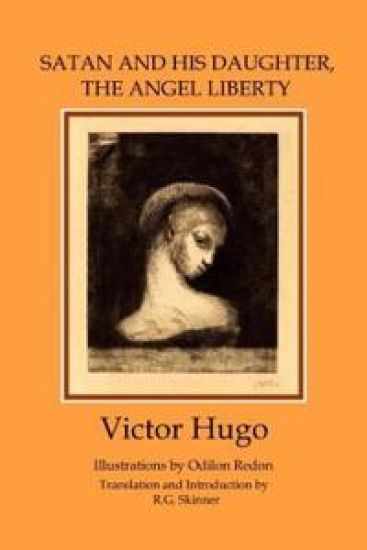
Victor Hugo spent years in political exile off the coast of Normandy. While there, he produced his masterpiece, Les Miserables--but that wasn't all: he also wrote a book-length poem, La Fin de Satan, left unfinished and not published until after his death. Satan and his Daughter, the Angel Liberty, drawn from this larger poem, tells the story of Satan and his daughter, the angel created by God from a feather left behind following his banishment. Hugo details Satan's fall, and through a despairing soliloquy, reveals him intent on revenge, yet desiring God's forgiveness. The angel Liberty, meanwhile, is presented by Hugo as the embodiment of good, working to convince her father to return to Heaven. This new translation by Richard Skinner presents Hugo's verse in his preferred style, and is accompanied by illustrations by the Symbolist artist Odilon Redon. No adventurous reader will want to miss this beautiful mingling of the epic and familial, religious and political.
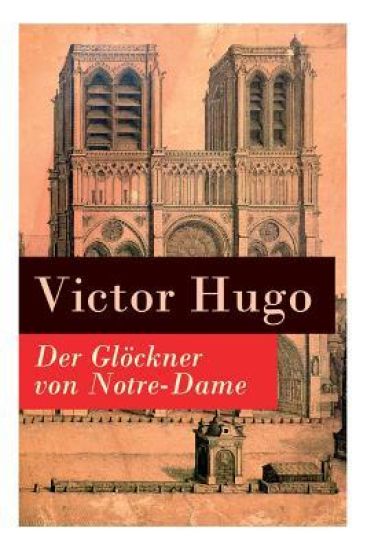
Der Gl ckner von Notre-Dame (auch: Notre-Dame von Paris, Originaltitel: Notre-Dame de Paris) ist ein 1831 erschienener historischer Roman des franz sischen Schriftstellers Victor Hugo (1802-1885). Im Mittelpunkt steht die aufw ndig geschilderte Kathedrale Notre-Dame de Paris. In ihr spielen die wichtigsten Teile der Romanhandlung, vor allem das Geschehen um die Gestalt des Quasimodo, des Gl ckners von Notre-Dame. Der Roman beinhaltet mehrere Handlungsstr nge, die nach und nach ineinanderflie en und ein buntes und vielseitiges Bild des franz sischen Sp tmittelalters mit all seinen Bev lkerungsschichten zeichnen. Die Geschichte vom missgestalteten Gl ckner Quasimodo, der sich in die sch ne Zigeunerin Esmeralda verliebt, ist - obgleich sie meist als interessant genug angesehen wurde, um ihn zur Haupthandlung einer Vielzahl von Verfilmungen zu machen - nur einer dieser Str nge. Der deutsche Titel des Romans Der Gl ckner von Notre-Dame ist somit etwas fehlgeleitet, denn der franz sische Originaltitel lautet allgemeiner Notre-Dame de Paris.
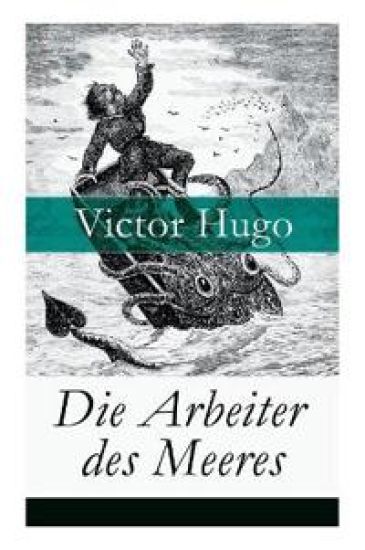
Die Arbeiter des Meeres ist ein Roman von Victor Hugo aus dem Jahre 1866. Der Roman spielt um 1820 auf Guernsey. Zur Inhalt: Der Guernseyer Kapit n Lethierry besitzt zwei Dinge, die ihm teuer sind: Das Dampfschiff "Durande," das seine gesamte wirtschaftliche und gesellschaftliche Existenz verk rpert, und seine verwaiste Nichte D ruchette, die er nach Kr ften verw hnt. Durch die Schuld des abgrundtief schlechten Schiffsf hrers Clubin, der sich mit dem Verm gen des Kapit ns absetzen will, l uft die "Durande" auf ein ber chtigtes Riff auf und zerschellt. Die geretteten Passagiere, bezeugen jedoch, dass die Maschine des Dampfschiffs unversehrt geblieben sei. Der verzweifelte Lethierry verspricht nun dem, der die Maschine birgt und zur ckbringt, die Hand seiner Nichte. Der einzige, der dieses schier ausweglose Unterfangen wagen will, ist Gilliatt, ein armer, einzelg ngerischer Fischer, den das Inselvolk der Hexerei verd chtigt und der in die sch ne, arrogante D ruchette verliebt ist. In einem dramatischen Kampf mit den Naturgewalten gelingt es dem Helden, die kostbare Maschine eines Schiffs zu bergen.
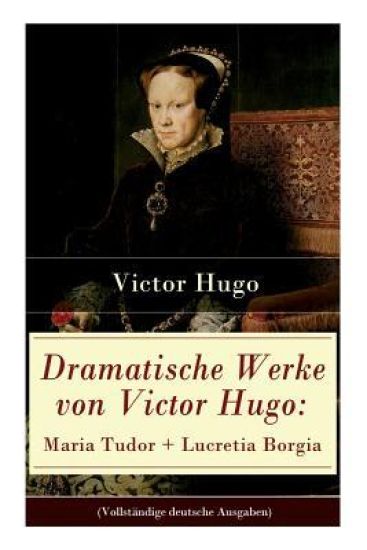
Victor Hugo verfasste sein Drama Lucr ce Borgia, das frei auf dem Leben und Mythos der historischen Person Lucrezia Borgia (1480-1519) basiert, im Jahr 1833. Lucrezia Borgia war eine italienisch-spanische Renaissancef rstin und die uneheliche Tochter Papst Alexanders VI. Die von Zeitgenossen als h bsch und lebenslustig beschriebene Lucrezia wurde nach dem Aufstieg ihrer ber chtigten Familie Nutznie erin, vor allem aber Instrument der Politik ihres Vaters. Alexander VI., der sie ber alles liebte, bergab ihr mehrfach w hrend seiner Abwesenheit die Regierungsgesch fte im Vatikan. Er verheiratete sie dreimal in politisch motivierte Ehen, um die Macht der Borgia zu festigen. Maria Tudor oder Maria die Blutige war von 1553 bis 1558 K nigin von England und Irland. Nach dem fr hen Tod ihres j ngeren Halbbruders K nig Eduard VI. setzte sich Maria gegen ihre protestantische Cousine und Rivalin Jane Grey durch und wurde zur ersten K nigin Englands aus eigenem Recht gekr nt, womit erstmals in der englischen Geschichte eine Frau die uneingeschr nkten Rechte eines Souver ns aus bte. Ihre Herrschaft war gepr gt von gro en religi sen Spannungen, da Heinrich seinerzeit die englische Kirche von der r misch-katholischen getrennt hatte. Maria hingegen versuchte den Katholizismus erneut als Staatsreligion zu etablieren. Unter ihrer Herrschaft wurden daher fast dreihundert Protestanten hingerichtet. Victor Hugo (1802-1885) war ein franz sischer Schriftsteller. Er verfasste Gedichte sowie Romane und Dramen und bet tigte sich als literarischer, aber auch politischer Publizist.
"Dreiundneunzig" (1793) ist ein Roman von Victor Hugo. Er handelt vom Aufstand der Vend e des Jahres 1793 in Frankreich. Der Begriff Aufstand der Vend e (frz. soul vement de Vend e) bezeichnet den bewaffneten Kampf einer royalistisch-katholisch gesinnten Landbev lkerung der Vend e und benachbarter D partements gegen Repr sentanten und Truppen der Ersten Republik in den Jahren 1793 bis zum Anfang 1796. Victor-Marie Hugo (1802 - 1885) war ein franz sischer Schriftsteller. Er schrieb zahllose Gedichte sowie Romane und Dramen und bet tigte sich als literarischer, aber auch politischer Publizist. Mehrfach war er, als Angeh riger der Pairskammer, Abgeordneter oder Senator, auch direkt politisch aktiv. W hrend er im deutschen Sprachraum weniger bekannt ist als etwa Moli re, Voltaire oder Balzac, gilt er vielen Franzosen als ihr gr ter Autor berhaupt. Sein Schaffen kann teils der Romantik, teils dem Realismus zugeordnet werden.
Ranging from the macabre to the supernatural, the collection of stories found in Classic Tales of Horror contains some of the most influential horror and dark fiction books of all-time. Included in this classic horror anthology are: At the Mountains of Madness by H. P. Lovecraft The Lair of the White Worm by Bram Stoker Carmilla by J. Sheridan LeFanu The Great God Pan by Arthur Machen The Hunchback of Notre Dame by Victor Hugo The Invisible Man by H. G. Wells The Masque of the Red Death by Edgar Allan Poe The Vampyre by John William Polidori A bit more about each book: At the Mountains of Madness by H. P. Lovecraft recounts the events of a disastrous expedition to the Antarctic continent in September 1930, as well as what was found there by a group of explorers led by the narrator, Dr. William Dyer of Miskatonic University. Throughout the tale, Dyer details a series of previously untold events in the hope of deterring another group of explorers who wish to return to the continent. Carmilla is a Gothic novella by Joseph Sheridan Le Fanu and is one of the early works of vampire fiction, predating Bram Stoker's Dracula (1897) by 26 years. The story is narrated by a young woman preyed upon by a female vampire named Carmilla. The Lair of the White Worm by Bram Stoker is based on the legend of the Lambton Worm. The plot focuses on Adam Salton, originally from Australia, who is contacted by his great-uncle, Richard Salton, in 1860 Derbyshire for the purpose of establishing a relationship between these last two members of the family. His great-uncle wants to make Adam his heir. Adam travels to Richard Salton's house in Mercia, Lesser Hill, and quickly finds himself at the centre of mysterious and inexplicable occurrences. The Great God Pan by Arthur Machen relates the tragic events after the main character Clarke bears witness to a strange experiment performed by his friend, Dr. Raymond. The ultimate goal of the doctor is to open the mind of man so that he may experience the spiritual world, an experience he calls "seeing the great god Pan". He performs the experiment, which involves minor brain surgery, on a young woman named Mary. Years later, as the story unfolds, Clarke learns that mysterious happenings and disappearances are related to this experiment. The Hunchback of Notre-Dame (French: Notre-Dame de Paris, "Our Lady of Paris") is a French Romantic/Gothic novel by Victor Hugo, published in 1831. The original French title refers to Notre Dame Cathedral, on which the story is centered along with the tragic story of Quasimodo who has fallen in love with the beautiful gypsy Esmeralda. The Invisible Man is a science fiction novel by H. G. Wells that tells the story of Griffin, a scientist who has devoted himself to research into optics and invents a way to change a body's refractive index to that of air so that it neither absorbs nor reflects light and thus becomes invisible. Griffin successfully carries out this procedure on himself, but fails in his attempt to reverse it. An enthusiast of random and irresponsible violence, Griffin, as the invisible man, has become an iconic character in horror fiction. The Masque of the Red Death by Edgar Allan Poe follows Prince Prospero's attempts to avoid a dangerous plague, known as the Red Death, by hiding in his abbey. He, along with many other wealthy nobles, hosts a masquerade ball within seven rooms of the abbey. In the midst of their revelry, a mysterious figure disguised as a Red Death victim enters and makes his way through each of the rooms bringing death to Prospero's door. The Vampyre by John William Polidori tells the story of Aubrey, a young Englishman, who meets Lord Ruthven, a man of mysterious origins who has entered London society. Through their travels together, and the unfortunate events surrounding them, Aubrey gradually realizes Lord Ruthven is more than he seems. The Vampyre is often viewed as the progenitor of the romantic vampire genre of fantasy fict
Deeply shocking in its time, this is a profound and moving tale and a vital work of social commentary. A man vilified by society and condemned to death for his crime wakes every morning knowing that this day might be his last. With the hope for release his only comfort, he spends his hours recounting his life and the time before his imprisonment. But as the hours pass, he knows that he is powerless to change his fate. He must follow the path so many have trod before him-the path that leads to the guillotine.
Los miserables es una de las obras fundamentales de su autor, V ctor Hugo, y es considerada como una de las grandes novelas del siglo XIX, paradigma del romanticismo franc s y que analiza, sin dar tregua al lector, la sociedad francesa de su poca. Jean Valjean es un ex-presidiario. Cuando llega al pueblo de D., rumbo a su pueblo natal y presenta su pasaporte -en el que figura como ex-reo y ''hombre peligroso''- en el ayuntamiento, nadie se digna a acogerle y a darle de comer, salvo don Bienvenido, el p rroco. Traicionando a su protector, Valjean le roba la cuberter a de plata, pero le detienen en los alrededores, llev ndole frente al p rroco. Don Bienvenido decide no denunciarle, pero le arranca una promesa: usar lo que ha tomado para hacerse un hombre de bien.
Los miserables (t tulo original en franc s: Les mis rables) es una novela del pol tico, poeta y escritor franc s Victor Hugo publicada en 1862, considerada como una de las obras m s importantes del siglo XIX. La novela, de estilo rom ntico, plantea a trav s de su argumento un razonamiento sobre el bien y el mal, sobre la ley, la pol tica, la tica, la justicia y la religi n. El autor confes que se hab a inspirado en Vidocq, criminal franc s que se redimi y acab inaugurando la Polic a Nacional francesa, para crear a los dos protagonistas y que la historia de su pa s le hab a inspirado para situar el contexto hist rico: por ello, los personajes viven la Rebeli n de junio (1832) y los posteriores cambios pol ticos. Adem s, el autor analiza los estereotipos de aquel momento y muestra su oposici n a la pena de muerte. En su n cleo, al fin, la novela sirve como una defensa de los oprimidos sea cual sea el lugar o situaci n sociohist rica que vivan.
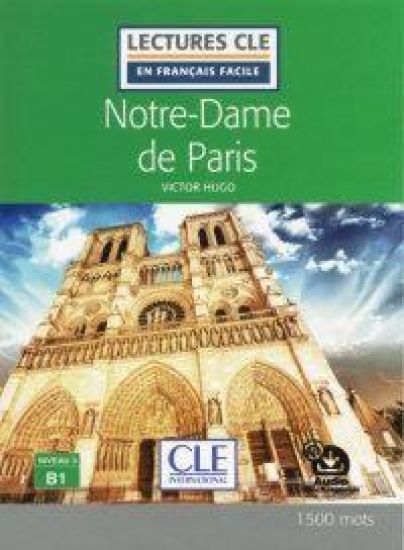
In the vaulted Gothic towers of Notre-Dame lives Quasimodo, the hunchbacked bellringer. Mocked and shunned for his appearance, he is pitied only by Esmerelda, a beautiful gypsy dancer to whom he becomes completely devoted. Esmerelda, however, has also attracted the attention of the sinister archdeacon Claude Frollo, and when she rejects his lecherous approaches, Frollo hatches a plot to destoy her that only Quasimodo can prevent. Victor Hugo's sensational, evocative novel brings life to the medieval Paris he loved, and mourns its passing in one of the greatest historical romances of the nineteenth century.
Les Mis rables is a French historical novel by Victor Hugo, first published in 1862, that is considered one of the greatest novels of the 19th century. In the English-speaking world, the novel is usually referred to by its original French title. However, several alternatives have been used, including The Miserables, The Wretched, The Miserable Ones, The Poor Ones, The Wretched Poor, The Victims and The Dispossessed. Beginning in 1815 and culminating in the 1832 June Rebellion in Paris, the novel follows the lives and interactions of several characters, particularly the struggles of ex-convict Jean Valjean and his experience of redemption. Examining the nature of law and grace, the novel elaborates upon the history of France, the architecture and urban design of Paris, politics, moral philosophy, antimonarchism, justice, religion, and the types and nature of romantic and familial love.