Kirjojen hintavertailu – 12 867 675 kirjaa ja 27 kauppaa

Kirjailija

Victoria Turner

Kirjat ja teokset yhdessä paikassa: 5 kirjaa, julkaisuja vuosilta 2010–2026, suosituimpiin kuuluu The Greek Body. Vertaile teosten hintoja ja tarkista saatavuus suomalaisista kirjakaupoista.

5 kirjaa

Kirjojen julkaisuvuodet: 2010–2026.

The Greek Body

The Greek Body

Ian Jenkins; Victoria Turner

BRITISH MUSEUM PRESS
2026
nidottu
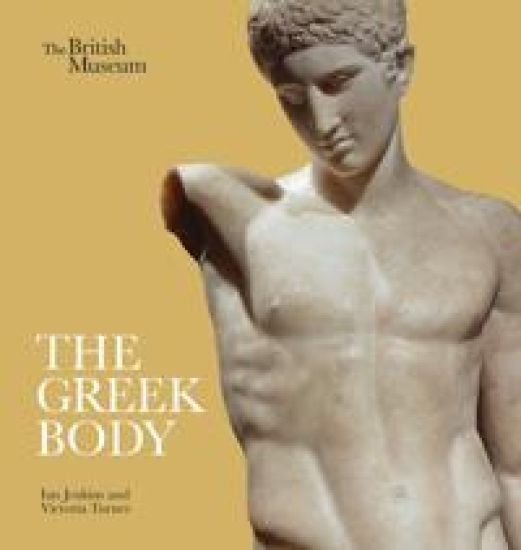
To the ancient Greeks the human body in sculpture was both an object of sensory delight and an expression of an intelligent mind. From the abstract simplicity of prehistoric Cycladic figurines to later realism, sculptors gave form to thought in a rich harvest of artworks that have had a profound influence upon western visual culture. Through stunning new photographs and close-up views, this book explores the subject of the body in ancient Greece, drawing on the British Museum’s outstanding collection of marble, bronze and terracotta sculptures. In the modern popular imagination, mention of the ancient Greeks is likely to conjure up an image of idealised and naked youth, and it is true that the ideal nude, both male and female, is a striking feature of Greek sculpture. However, in later Greek art especially, sculptors and their patrons became increasingly interested in human diversity, experimenting with the representation of ethnicity, age and character. The gods and heroes of Greek myth are conceived in the image of mankind, as supermen and superwomen. Other supernatural beings – centaur and sphinx, satyr and siren – combine human with animal parts as symbols of their otherworldliness. With over one hundred colour illustrations, this book allows the reader to experience the Greek body in its many forms as evidence of both art and thought.

Theorizing Medieval Race

Theorizing Medieval Race

Victoria Turner

Legenda
2021
pokkari
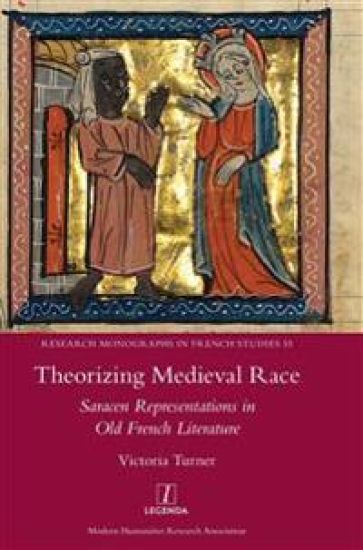
In today's discussions of religious difference and intolerance, the Middle Ages are often presented as a time of fixed racial, religious, and cultural identities, especially as regards the East and Islam. Representations of Saracens, however, show how literary traditions invite a more nuanced consideration of the complex and often surprising ways in which such non-Christian figures might be depicted. In a wide-ranging study of Old French texts from c.1150-1350, Victoria Turner explores how racial identity is not only paradoxical but even fluid in the medieval Christian literary imagination, where Arthurian heroes may have Saracen ancestors and where a Saracen may set an example of good Christian behaviour. Drawing on modern critical theory, Turner adopts a series of approaches to concepts of race to counter suggestions that these medieval identities were necessarily adversarial, consistent or absolute. Victoria Turner is Lecturer in French at the University of St Andrews.
Theorizing Medieval Race

Theorizing Medieval Race

Victoria Turner

Legenda
2019
sidottu
In today's discussions of religious difference and intolerance, the Middle Ages are often presented as a time of fixed racial, religious, and cultural identities, especially as regards the East and Islam. Representations of Saracens, however, show how literary traditions invite a more nuanced consideration of the complex and often surprising ways in which such non-Christian figures might be depicted. In a wide-ranging study of Old French texts from c.1150-1350, Victoria Turner explores how racial identity is not only paradoxical but even fluid in the medieval Christian literary imagination, where Arthurian heroes may have Saracen ancestors and where a Saracen may set an example of good Christian behaviour. Drawing on modern critical theory, Turner adopts a series of approaches to concepts of race to counter suggestions that these medieval identities were necessarily adversarial, consistent or absolute. Victoria Turner is Lecturer in French at the University of St Andrews.
The Greek Body

The Greek Body

Ian Jenkins; Victoria Turner

J. Paul Getty Museum
2010
sidottu
A lavish exploration of the human figure in Greek art. From idealized beauty to highly individualized portraits, the sculptures featured in this exquisite volume demonstrate the incredible range and appeal of bodies made by the hands of the ancient Greeks. More than any other ancient civilization, the Greeks placed the human body at the center of their culture. To them, the sculpted human figure was both an object of sensory delight and an expression of an intelligent mind. In the modern popular imagination, mention of the ancient Greeks is likely to conjure up an image of idealized and naked youth, and it is true that the ideal nude, both male and female, is a striking feature of Greek sculpture. However, in later Greek art, sculptors and their patrons became increasingly interested in human diversity, experimenting with the representation of ethnicity, age, social standing, and character. The marble, bronze, and terra-cotta sculptures presented in this volume--outstanding highlights drawn from over six centuries of artistic production--demonstrate the diversity of Greek figural forms, from the idealized beauty of the Classical era to the individualized portraits of the Hellenistic period. Large, stunning details testify to the artists' skills in portraying cold, hard materials as warm, human flesh.