Kirjojen hintavertailu – 12 903 737 kirjaa ja 27 kauppaa

Kirjailija

Vidya Dehejia

Kirjat ja teokset yhdessä paikassa: 6 kirjaa, julkaisuja vuosilta 1990–2021, suosituimpiin kuuluu The Body Adorned. Vertaile teosten hintoja ja tarkista saatavuus suomalaisista kirjakaupoista.

6 kirjaa

Kirjojen julkaisuvuodet: 1990–2021.

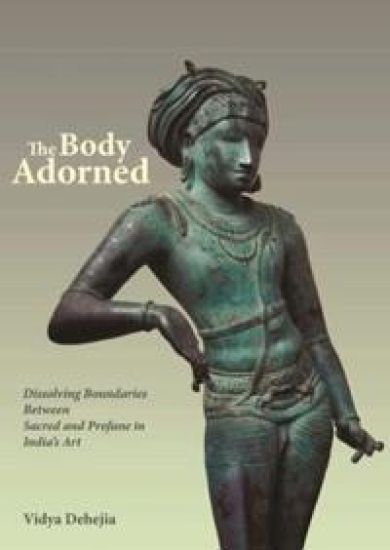
The Body Adorned

The Body Adorned

Vidya Dehejia

Columbia University Press
2009
sidottu
The sensuous human form-elegant and eye-catching-is the dominant feature of premodern Indian art. From the powerful god Shiva, greatest of all yogis and most beautiful of all beings, to stone dancers twisting along temple walls, the body in Indian art is always richly adorned. Alankara (ornament) protects the body and makes it complete and attractive; to be unornamented is to invite misfortune. In The Body Adorned, Vidya Dehejia, who has dedicated her career to the study of Indian art, draws on the literature of court poets, the hymns of saints and acharyas, and verses from inscriptions to illuminate premodern India's unique treatment of the sculpted and painted form. She focuses on the coexistence of sacred and sensuous images within the common boundaries of Buddhist, Jain, and Hindu "sacred spaces," redefining terms like "sacred" and "secular" in relation to Indian architecture. She also considers the paradox of passionate poetry, in which saints praised the sheer bodily beauty of the divine form, and nonsacred Rajput painted manuscripts, which freely inserted gods into the earthly realm of the courts. By juxtaposing visual and literary sources, Dehejia demonstrates the harmony between the sacred and the profane in classical Indian culture. Her synthesis of art, literature, and cultural materials not only generates an all-inclusive picture of the period but also revolutionizes our understanding of the cultural ethos of premodern India.
India: A Story Through 100 Objects

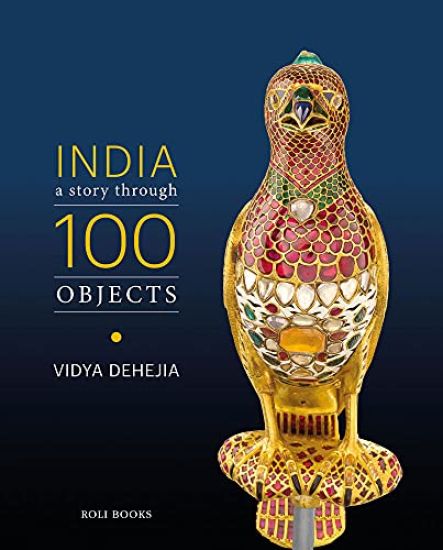
India: A Story Through 100 Objects

Vidya Dehejia

Roli Books Pvt Ltd
2021
sidottu
We are constantly surrounded by objects, by ‘things’ that channel and dictate our everyday life, ‘things’ that we take for granted. But these objects speak to us, and speak about us. They have a story to tell that reflects our values and aspirations, our achievements and dreams, and reveal more about us than we realise! This richly illustrated book focuses on 100 objects to tell a story of India that unravels in a series of thematic sections that allow the objects to take centre-stage. The stories that some objects tell will be new to readers; at other times, the objects themselves may be familiar but the story they tell may not be obvious. The 100 objects shed light on the varying priorities and the differing strands of achievement that arose over time to create the rich multi-cultural medley that is today’s India.
The Thief Who Stole My Heart

The Thief Who Stole My Heart

Vidya Dehejia

PRINCETON UNIVERSITY PRESS
2021
sidottu
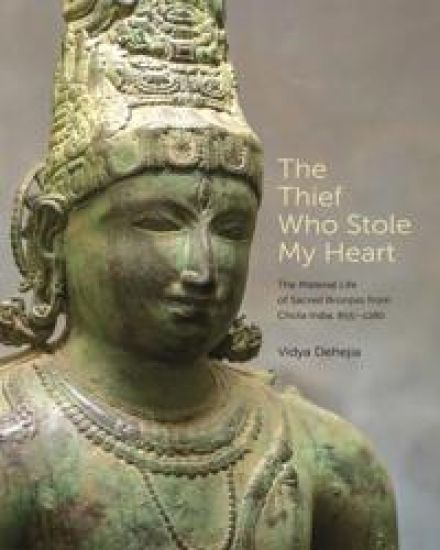
The first book to put the sacred and sensuous bronze statues from India’s Chola dynasty in social contextFrom the ninth through the thirteenth century, the Chola dynasty of southern India produced thousands of statues of Hindu deities, whose physical perfection was meant to reflect spiritual beauty and divine transcendence. During festivals, these bronze sculptures—including Shiva, referred to in a saintly vision as “the thief who stole my heart”—were adorned with jewels and flowers and paraded through towns as active participants in Chola worship. In this richly illustrated book, leading art historian Vidya Dehejia introduces the bronzes within the full context of Chola history, culture, and religion. In doing so, she brings the bronzes and Chola society to life before our very eyes. Dehejia presents the bronzes as material objects that interacted in meaningful ways with the people and practices of their era. Describing the role of the statues in everyday activities, she reveals not only the importance of the bronzes for the empire, but also little-known facets of Chola life. She considers the source of the copper and jewels used for the deities, proposing that the need for such resources may have influenced the Chola empire’s political engagement with Sri Lanka. She also investigates the role of women patrons in bronze commissions and discusses the vast public records, many appearing here in translation for the first time, inscribed on temple walls. From the Cholas’ religious customs to their agriculture, politics, and even food, The Thief Who Stole My Heart offers an expansive and complete immersion in a community still accessible to us through its exquisite sacred art. Published in association with the Center for Advanced Study in the Visual Arts, National Gallery of Art, Washington, DC
Art of the Imperial Cholas

Art of the Imperial Cholas

Vidya Dehejia

Columbia University Press
1990
sidottu
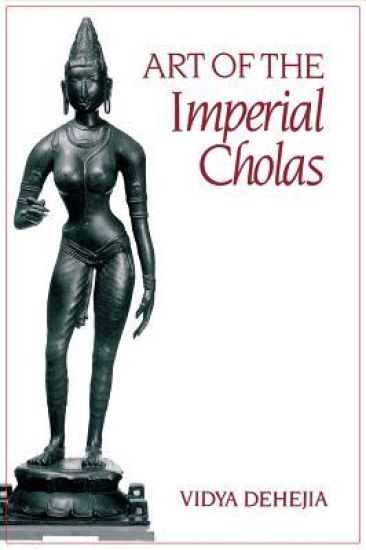
The rule of the Chola dynasty in South India between the ninth and thirteenth centuries was a period of unparalleled creativity in Indian art. Known as the Golden Age of Tamil Culture, the Chola period produced dynamic royal personalities who shaped the artistic activity of theirtimes. Art of the Imperial Cholas examines the dynasty's architectural and sculptural achievements, which stand among the masterpieces of India.
A??a? and Her Path of Love

A??a? and Her Path of Love

Vidya Dehejia

State University of New York Press
1990
pokkari
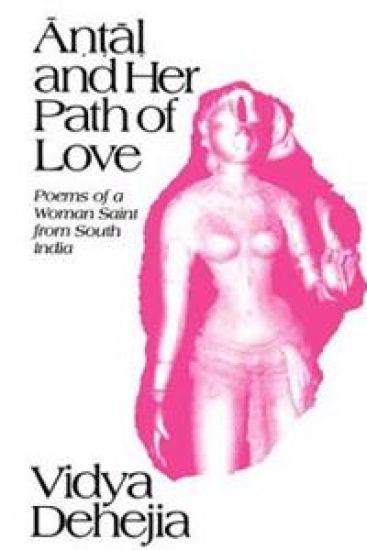
This book is a translation and study of the poems of a ninth-century woman saint and mystic. The Introduction is designed to make the translations accessible to a non-specialist audience, while the Notes provide insights into the poems and useful explications of allusions and convention with which readers who do not possess a specialized knowledge of Tamil Vaisnava bhakti may be unfamiliar.
The Unfinished

The Unfinished

Vidya Dehejia; Peter Rockwell

Roli Books Pvt Ltd
2016
sidottu
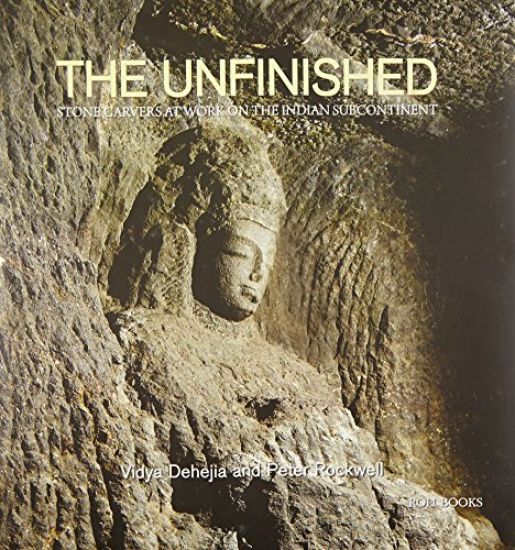
The sheer number of unfinished stone monuments in India is staggering and examples appear at some of India's most famous and well-studied sites that include rock-cut Ellora, Ajanta, and Mamallapuram. Unfinished work also appears on built temples celebrated for the intricacy of their sculpted decoration, such as those in Hoysala kingdom or in Orissa. This detailed study provides an overall coverage of India's unfinished work while addressing a range of issues related to stone-carving by examining a select number of monuments at specific sites. Instead of focusing on a site in its entirety, the study here focuses on specific issues of consequence in the context of unfinished work, as they gain an added weight and significance through discovery of their repetitive occurrence at site after site. At the heart of this book are the many varieties of unfinished stone carving that merit close observation to see what is there and what is not, and to appreciate that all the finished work has been through these various stages of being unfinished before reaching completion.