Kirjojen hintavertailu – 12 859 818 kirjaa ja 27 kauppaa

Kirjailija

Ville Kivimäki

Kirjat ja teokset yhdessä paikassa: 4 kirjaa, julkaisuja vuosilta 2017–2026, suosituimpiin kuuluu Ruma sota. Vertaile teosten hintoja ja tarkista saatavuus suomalaisista kirjakaupoista.

4 kirjaa

Kirjojen julkaisuvuodet: 2017–2026.

Ruma sota

Ruma sota

Tuomas Tepora; Ville Kivimäki; Jenni Kirves; Sari Näre; Ilkka Levä; Atte Oksanen; Jussi Turtiainen

Johnny Kniga
2026
Ladattava äänikirja
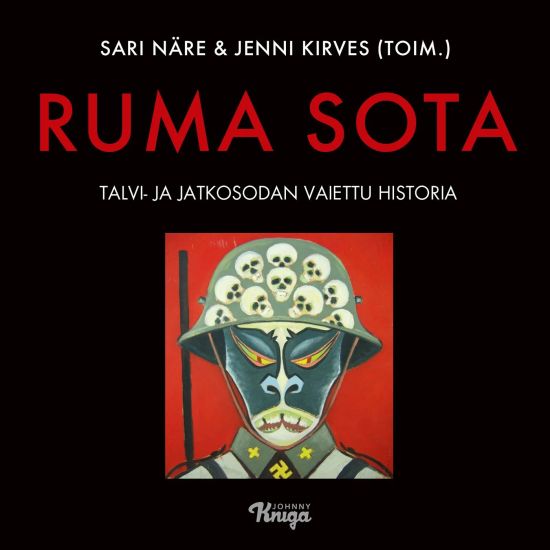
Sodan peilissä ihmisellä voi olla pedon kasvot. Tarkkanäköinen ja aina ajankohtainen tietokirja sodan paljastamista ihmisyyden pimeistä puolista ja haavoista, jotka paranevat liian hitaasti. Historiankirjoituksessamme talvi- ja jatkosodasta on annettu melko yksiulotteinen kuva. Sotahistorioitsijoilla on ollut tapana väheksyä yksittäisten ihmisten kokemuksia ja painottaa historian yleisiä merkityksiä. Niinpä tietyt sodan ilmiöt ovat jääneet lähes tyystin vaille huomiota. Ruma sota kuvaa yksilöiden tasolla sodan taipumusta nostaa esiin ihmisyyden pimeitä puolia, kuten sotilaiden julmuutta rintamalla, seksuaalista väkivaltaa, päihteiden käyttöä, rintamakarkuruutta, sotapropagandaa ja -sensuuria sekä sodan traumoja sotilaissa. Puolia, joita emme rauhallisemmissa oloissa juuri näe. Ruma sota oli ilmestymisvuonnaan 2008 tietokirjallisuuden Finlandia-ehdokkaana. Sari Näreen ja Jenni Kirveen toimittaman teoksen kirjoittajina ovat heidän lisäkseen historiantutkijat Tuomas Tepora, Ville Kivimäki, Atte Oksanen, Ilkka Levä ja Jussi Turtiainen.
Sargade själar

Sargade själar

Ville Kivimäki

Svenska litteratursällskapet i Finland
2023
sidottu
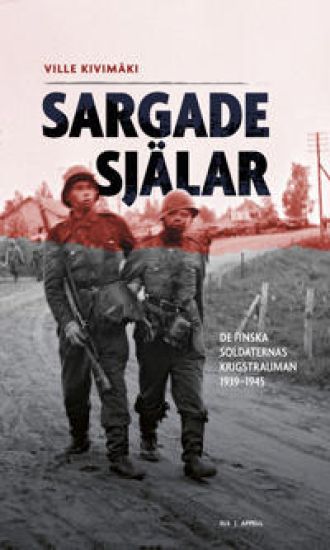
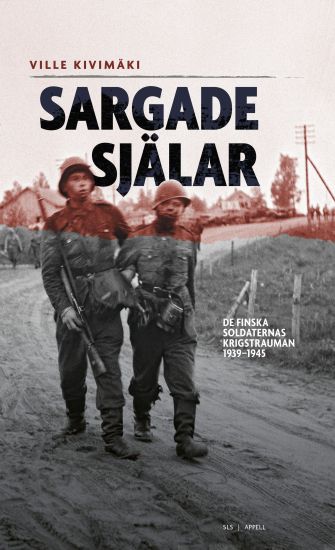
Under andra världskriget vårdades omkring 18 000 finska soldater för sina psykiska skador. Vilka var de, vad hade de tvingats uppleva, och vad hände efter att de passerat bristningsgränsen? De traumatiserade soldaternas upplevelser har länge sökt sin plats i den traditionella historieskrivningen. I sin prisbelönta bok, som nu översatts till svenska, berättar Ville Kivimäki deras historia. Med hjälp av mängder av patientjournaler och soldaternas berättelser kartlägger han de psykiska reaktionerna och visar vilken betydelse frontgemenskapen och de höga idealen hade för den mentala hälsan. Militärväsendets och militärpsykiatrins syn på psykiska krigsskador står också i fokus, liksom de olika behandlingsmetoderna – allt från arbetsterapi till elchocker. Fack-Finlandia 2013 för den finska boken Murtuneet mielet. Taistelu suomalaissotilaiden hermoista 1939–1945 (WSOY)Ville Kivimäki är universitetslektor och docent i Finlands historia vid Tammerfors universitet.
Continued Violence and Troublesome Pasts

Continued Violence and Troublesome Pasts

Ville Kivimäki; Petri Karonen

Suomen Kirjallisuuden Seura
2017
nidottu
In most European countries, the horrific legacy of 1939-1945 has made it difficult to remember the war with much glory. Despite the Anglo-American memory narrative of saving democracy from totalitarianism and the Soviet epic of the Great Patriotic War, the fundamental experience of war for many Europeans was that of immense personal losses and often meaningless hardships. The volume at hand focuses on these histories between the victors: on the cases of Hungary, Estonia, Poland, Austria, Finland, and Germany and on the respective, often gendered experiences of defeat. The chapters underline the asynchronous transition to peace in individual experiences, when compared to the smoother timelines of national and international historiographies. Instead of a linear chronology, both personal and collective histories tend to return back to the moments of violence and loss, thus forming continuous cycles of remembrance and forgetting. Several of the contributors also pay attention to the constructed and contested nature of national histories in these cycles. The role of these "in-between" countries - and even more their peoples', multifaceted experiences - adds to the widening comparative European history of the aftermath, thereby challenging the conventional dichotomies and periodisations in national historiographies. In the aftermath of the 70th anniversary of 1945, it is still, unfortunately, too early to regard the post-war period as mere history; the memory politics and rhetoric of the Second World War and its aftermath are still being used and abused to serve contemporary power politics in Europe.