Kirjojen hintavertailu – 12 903 725 kirjaa ja 27 kauppaa

Kirjailija

Vinod Shinde

Kirjat ja teokset yhdessä paikassa: 39 kirjaa, julkaisuja vuosilta 2017–2026, suosituimpiin kuuluu RETENÇÃO DE FRUTO NA MANGA. Vertaile teosten hintoja ja tarkista saatavuus suomalaisista kirjakaupoista.

39 kirjaa

Kirjojen julkaisuvuodet: 2017–2026.

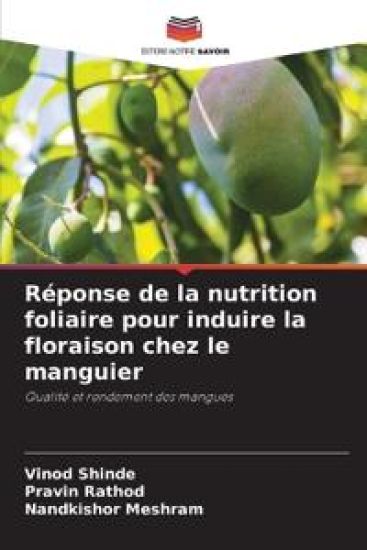
Réponse de la nutrition foliaire pour induire la floraison chez le manguier

Réponse de la nutrition foliaire pour induire la floraison chez le manguier

Vinod Shinde; Pravin Rathod; Nandkishor Meshram

Editions Notre Savoir
2024
pokkari
Les attributs de la fleur, du fruit et du rendement du manguier Kesar dans la r gion de Marathwada ont t significativement influenc s par l'application foliaire de diverses concentrations de pulv risations chimiques. La pulv risation de KNO3 @ 3% par arbre a eu un effet significativement sup rieur sur les fleurs, les fruits et les attributs de rendement par rapport aux autres concentrations et pulv risations chimiques. Le traitement tait troitement comparable aux traitements KH2PO4 @ 1,5 % et KNO3 @ 2 % par arbre et tait suivi par le traitement KH2PO4 @ 1,5 % et KNO3 @ 2 % par arbre et tait suivi par le traitement KH2PO4 @ 1,5 %: Vinod N ShindeDate de naissance:: 01 mars 1975Citoyennet IndienAdresse actuelle: Professeur adjoint au d partement d'horticulture du College of Agriculture, ParbhaniExp rience et expertise: 12 ans d'exp rience dans l'enseignement et la planification, r f rence sp ciale dans le d veloppement des vergers de pomologie, p pini re NHM Hi-Tech, a guid deux tudiants du M. Sc. (Agri) Horticulture. A travaill comme sp cialiste en la mati re. EDUCATION M Sc Agri, Horticulture  Doctorat en sciences fruiti resPROFESSIONNEL CAREER A rejoint le VNMKV, Parbhani en tant que professeur assistant en 2007. Depuis 12 ans, il enseigne.  Travaille actuellement au College of Agriculture, Golegaon. RECONNAISSANCES  Coordonnateur suppl mentaire pour la maladie du mildiou bact rien chez le grenadier.
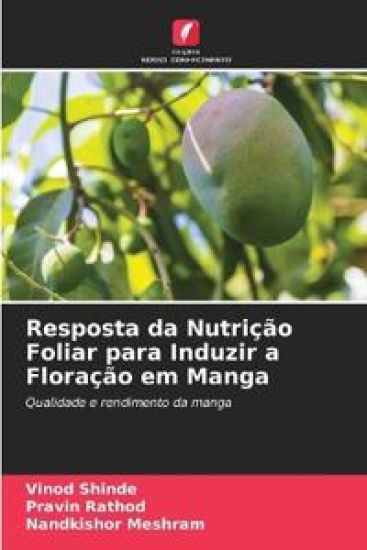
Resposta da Nutrição Foliar para Induzir a Floração em Manga

Resposta da Nutrição Foliar para Induzir a Floração em Manga

Vinod Shinde; Pravin Rathod; Nandkishor Meshram

Edicoes Nosso Conhecimento
2024
pokkari
Os atributos da flor, do fruto e da produ o da mangueira Kesar na regi o de Marathwada foram significativamente influenciados pela aplica o foliar de v rias concentra es de pulveriza o qu mica. A pulveriza o de KNO3 @ 3% por rvore teve um efeito significativamente superior sobre os atributos da flor, do fruto e da produ o em rela o a outras concentra es e pulveriza es qu micas. O tratamento foi muito parecido com o tratamento KH2PO4 @ 1,5% e KNO3 @ 2% por rvore e foi seguido peloNome: Vinod N ShindeData de nascimento:: 01 March,1975Cidadania: Indiano Endere o atual: Professor assistente do Departamento de Horticultura da Faculdade de Agricultura de ParbhaniExperi ncia e especializa o: 12 anos de experi ncia em ensino e planeamento, refer ncia especial no desenvolvimento de pomares de pomologia, viveiro NHM Hi-Tech, orientou dois estudantes de Mestrado em Horticultura (Agri). Trabalhou como especialista na mat ria. EDUCATION M Sc Agri, Horticulture  Doctor of Philosophy in Fruit SciencePROFISSIONAL CAREER Ingressou como professor assistente no VNMKV, Parbhani, em 2007. Nos ltimos 12 anos, dedicou-se ao ensino.  Atualmente, trabalha na Faculdade de Agricultura de Golegaon. RECONHECIMENTOS  Coordenador adicional em Bacterial Blight Disease in Pomegra.
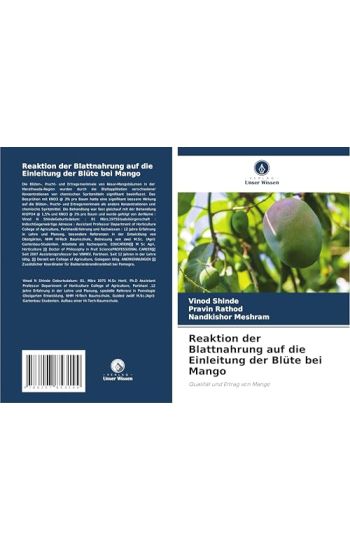
Reaktion der Blattnahrung auf die Einleitung der Blüte bei Mango

Reaktion der Blattnahrung auf die Einleitung der Blüte bei Mango

Vinod Shinde; Pravin Rathod; Nandkishor Meshram

Verlag Unser Wissen
2024
pokkari
Die Bl ten-, Frucht- und Ertragsmerkmale von Kesar-Mangob umen in der Marathwada-Region wurden durch die Blattapplikation verschiedener Konzentrationen von chemischen Spritzmitteln signifikant beeinflusst. Das Bespr hen mit KNO3 @ 3% pro Baum hatte eine signifikant bessere Wirkung auf die Bl ten-, Frucht- und Ertragsmerkmale als andere Konzentrationen und chemische Spritzmittel. Die Behandlung war fast gleichauf mit der Behandlung KH2PO4 @ 1,5% und KNO3 @ 2% pro Baum und wurde gefolgt von derName: Vinod N ShindeGeburtsdatum:: 01 M rz,1975Staatsb rgerschaft: IndischGegenw rtige Adresse: Assistant Professor Department of Horticulture College of Agriculture, ParbhaniErfahrung und Fachwissen: 12 Jahre Erfahrung in Lehre und Planung, besondere Referenzen in der Entwicklung von Obstg rten, NHM Hi-Tech Baumschule, Betreuung von zwei M. Sc. (Agri) Gartenbau-Studenten. Arbeitete als Fachexperte. EDUCATION M Sc Agri, Horticulture  Doctor of Philosophy in Fruit SciencePROFESSIONAL CAREER Seit 2007 Assistenzprofessor bei VNMKV, Parbhani. Seit 12 Jahren in der Lehre t tig.  Derzeit am College of Agriculture, Golegaon t tig. ANERKENNUNGEN  Zus tzlicher Koordinator f r Bakterienbrandkrankheit bei Pomegra.
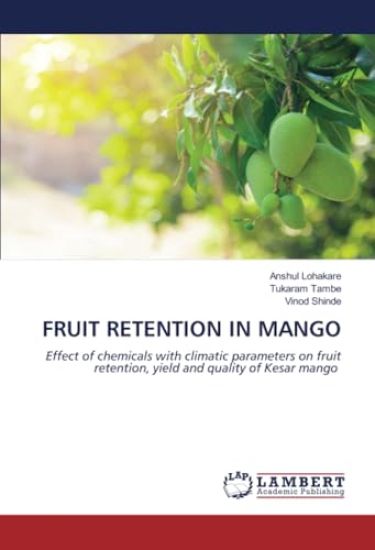
Fruit Retention in Mango

Fruit Retention in Mango

Anshul Lohakare; Tukaram Tambe; Vinod Shinde

Lap Lambert Academic Publishing
2024
pokkari
An investigation entitled "Effect of chemicals with climatic parameters on fruit retention, yield and quality of mango (Mangifera indica L.) cv. Kesar" was carried out with an objective to reduce fruit drop as well as to improve the fruit set, yield and quality by foliar application of various plant growth regulators, polyamines and micronutrients. In the present investigation Naphthalene Acetic Acid (NAA) 25 ppm at full bloom and pea stage, Salicylic Acid (SA) 100 ppm at pea and marble stage and also Zinc Sulphate (ZnSO4) 0.5% at pea and marble stage gave best results in respect to fruit retention, yield and quality of mango cv. Kesar. While correlation studies of climatic factors indicated that high or low temperature had non-significant correlations with fruit set and retention but high temperature and low humidity showed beneficial effects on the physical parameters, yield and quality attributes whereas, low temperature and high humidity exhibited less beneficial or deleterious effects on the above traits in Kesar mango.
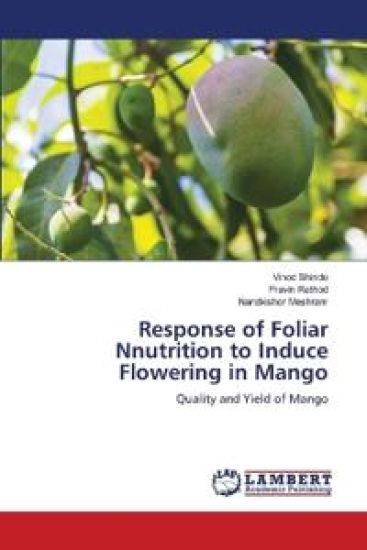
Response of Foliar Nnutrition to Induce Flowering in Mango

Response of Foliar Nnutrition to Induce Flowering in Mango

Vinod Shinde; Pravin Rathod; Nandkishor Meshram

Lap Lambert Academic Publishing
2024
pokkari
The flower, fruit, and yield attributes of Kesar mango fruit tree in the Marathwada region were significantly influenced by the foliar application of various concentrations of chemical spray. The spraying of KNO3 @ 3% per tree had a significantly superior effect on flower, fruit, and yield attributes over other concentrations and chemical sprays. The treatment was closely at par with the treatment KH2PO4 @ 1.5% and KNO3 @ 2% per tree and was followed by theName: Vinod N ShindeDate of Birth:: 01 March,1975Citizenship: IndianPresent Address: Assistant Professor Department of Horticulture College of Agriculture, ParbhaniExperience and Expertise: 12 years of experience in teaching & planning, Special reference in pomology orchard development, NHM Hi-Tech nursery, Guided two M. Sc. (Agri) Horticulture students. Worked as Subject matter specialist. EDUCATION M Sc Agri, Horticulture  Doctor of Philosophy in Fruit SciencePROFESSIONAL CAREER Joined as Assistant Professor VNMKV, Parbhani in 2007. From last 12 years engaged in Teaching.  At present working at College of Agriculture, Golegaon. RECOGNITIONS  Additional coordinator in Bacterial Blight Disease in Pomegra
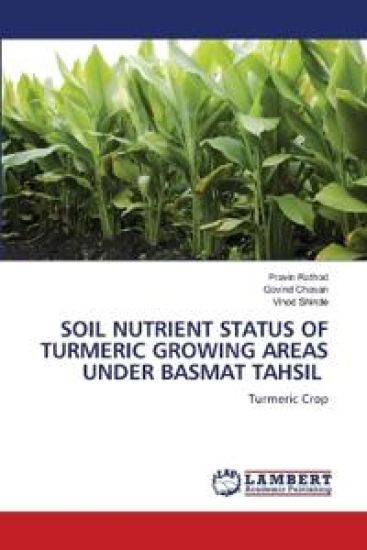
Soil Nutrient Status of Turmeric Growing Areas Under Basmat Tahsil

Soil Nutrient Status of Turmeric Growing Areas Under Basmat Tahsil

Pravin Rathod; Govind Chavan; Vinod Shinde

Lap Lambert Academic Publishing
2024
pokkari
The turmeric growing soils in Basmat tehsil showed pH of the soil was normal to slightly alkaline in nature. Electrical conductivity of the soil in safe limit for crop growth and organic carbon status was low to medium. The CaCO3 were non-calcareous to calcareous in nature. The moisture content of soil showed the wide variation according to the season and crop stage of sampling. The bulk density did not changes with season and stage of standing turmeric crop. Low nitrogen, low to medium phosphorus and high potassium content in these soil. At senescence stage phosphors increased to medium to high range in these turmeric growing soil. Among the DTPA extractable micronutrients. Iron, copper and manganese content was in optimum level except zinc was deficient in these soils. At the senescence stage the zinc content in these soil was in high level. The leaf and rhizome sample from all ten villages recorded low nitrogen whereas the phosphorus content below optimum to optimum and potassium content was above optimum level. The iron, copper, zinc and manganese content in turmeric leaves and rhizome was in optimum to above optimum range.
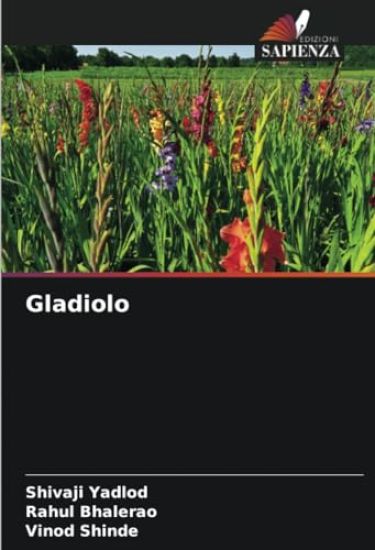
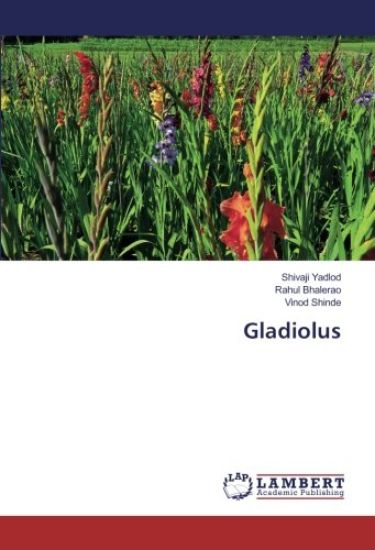
Gladiolo

Gladiolo

Shivaji Yadlod; Rahul Bhalerao; Vinod Shinde

Edizioni Sapienza
2024
pokkari
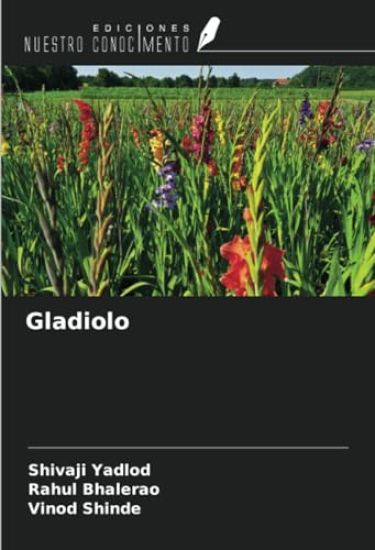
Il gladiolo uno dei fiori da taglio commerciali, che pu essere coltivato in piena terra per l'esportazione di spighe nei Paesi europei. Il gladiolo (Gladiolus grandiflora L.), comunemente chiamato giglio spada o bandiera di mais, il settimo fiore pi importante del mondo. Il gladiolo originario del Sudafrica e appartiene alla famiglia delle Iridaceae. Il termine gladiolo fu coniato da Plinio e Sambuco (23-79 d. C.) per descrivere la forma delle foglie, che ricordano quella di una spada. Il Gladiolus illyricus un altro nome utilizzato in Europa perch si trova come erba selvatica nei campi di mais. Il gladiolo una pianta da fiore bulbosa molto popolare. considerata la "regina delle bulbose". In Asia, il gladiolo viene classificato in base alle dimensioni dei fiori: grandiflorus, primulinus, butterfly e miniature. La presente indagine ha rivelato che, in generale, i regolatori della crescita sono stati efficaci nell'aumentare la resa e la qualit del gladiolo. Sulla base dei presenti studi si pu concludere che, per quanto riguarda la coltivazione del cormo di gladiolo, il trattamento di ammollo con GA3 a 200 ppm stato efficace per migliorare la crescita, la fioritura, la qualit e la resa delle spighe e dei cormi. In secondo luogo, si pu anche concludere che per ottenere la massima resa di spighe e cormi, il trattamento con GA3 a 200 ppm stato efficace.
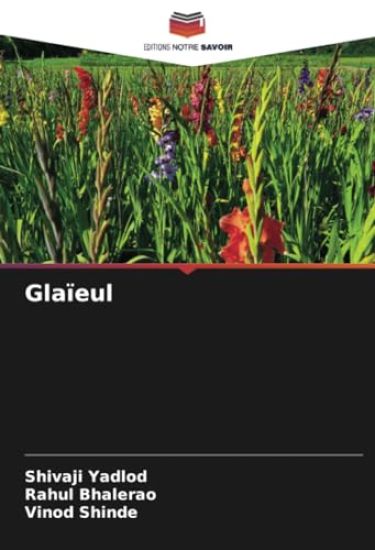
Glaïeul

Glaïeul

Shivaji Yadlod; Rahul Bhalerao; Vinod Shinde

Editions Notre Savoir
2024
pokkari
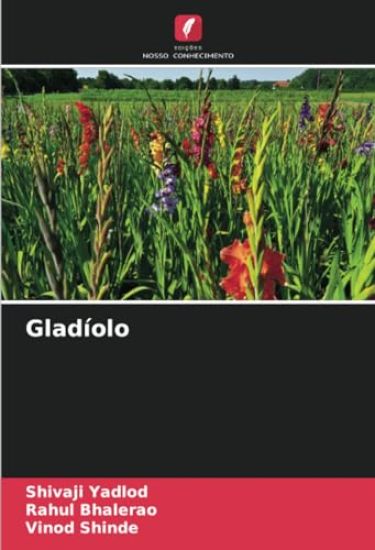
Le gladiolus est l'une des fleurs coup es commerciales, qui peut tre cultiv e en pleine terre pour exporter des pis vers les pays europ ens. Le gladiolus (Gladiolus grandiflora L.), commun ment appel lys d' p e ou drapeau de ma s, est la septi me fleur la plus importante au monde. Le gladiolus est originaire d'Afrique du Sud et appartient la famille des Iridaceae. Le terme gladiolus a t invent par Pline et l'Ancien (A. D. 23 - 79) pour d crire la forme des feuilles, qui ressemblent celles d'une p e. Le gladiolus illyricus est un autre nom utilis en Europe parce qu'on le trouve comme mauvaise herbe sauvage dans les champs de ma s. Le gla eul est une plante fleurs bulbeuses tr s populaire. Il est consid r comme la "Reine des plantes bulbes". En Asie, le gla eul est class en fonction de la taille des fleurs: grandiflorus, primulinus, butterfly et miniature. La pr sente tude a r v l qu'en g n ral, les r gulateurs de croissance taient efficaces pour augmenter le rendement et la qualit du gla eul. Sur la base de ces tudes, on peut conclure qu'en ce qui concerne la culture des cormes de gla eul, le traitement par trempage de GA3 200 ppm a t efficace pour am liorer la croissance, la floraison, la qualit et le rendement des pis et des cormes. Deuxi mement, il peut galement tre conclu que pour obtenir le maximum de.
Gladíolo

Gladíolo

Shivaji Yadlod; Rahul Bhalerao; Vinod Shinde

Edicoes Nosso Conhecimento
2024
pokkari
O glad olo uma das flores de corte comerciais, que pode ser cultivada ao ar livre para exporta o de hastes para pa ses europeus. O Gladiolus (Gladiolus grandiflora L.), vulgarmente designado por l rio-espada ou bandeira de milho, a s tima flor mais importante do mundo. O glad olo origin rio da frica do Sul e pertence fam lia Iridaceae. O termo glad olo foi cunhado por Pl nio e Velho (23 - 79 d. C.) para descrever a forma das folhas, que se assemelham de uma espada. Corn Flag outro nome na Europa porque o Gladiolus illyricus encontrado como uma erva daninha selvagem nos campos de milho. O glad olo uma planta com flores bulbosas muito popular. considerada a "rainha das plantas bolbosas". O glad olo classificado com base no tamanho das flores na sia: grandiflorus, primulinus, butterfly e miniature. O presente estudo revelou que, em geral, os reguladores de crescimento foram eficazes para aumentar o rendimento e a qualidade do glad olo. Com base nos presentes estudos, pode concluir-se que, no que respeita ao cultivo de glad olos, o tratamento de imers o de GA3 a 200 ppm foi eficaz para aumentar o crescimento, a flora o, a qualidade e o rendimento de espigas e cormos. Em segundo lugar, pode tamb m concluir-se que, para obter o m ximo.
Gladiole

Gladiole

Shivaji Yadlod; Rahul Bhalerao; Vinod Shinde

Verlag Unser Wissen
2024
pokkari
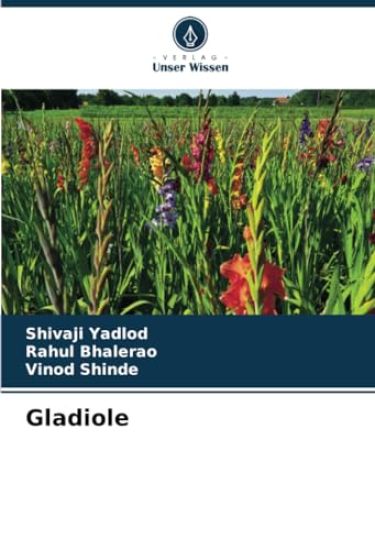
Die Gladiole ist eine der kommerziellen Schnittblumen, die im Freiland angebaut werden kann, um hren in europ ische L nder zu exportieren. Die Gladiole (Gladiolus grandiflora L.), auch Schwertlilie oder Kornblume genannt, ist die siebtwichtigste Blume der Welt. Gladiolen sind in S dafrika heimisch und geh ren zur Familie der Iridaceae. Der Begriff Gladiolus wurde von Plinius dem lteren (23-79 n. Chr.) gepr gt, um die Form der Bl tter zu beschreiben, die der eines Schwertes hneln. Maisfahne ist der andere Name in Europa, weil Gladiolus illyricus als Wildkraut in den Maisfeldern zu finden ist. Gladiolus ist eine sehr beliebte Zwiebelblumenpflanze. Sie wird als "K nigin der Zwiebelpflanzen" bezeichnet. Gladiolen werden in Asien nach der Gr e ihrer Bl ten eingeteilt: Grandiflorus, Primulinus, Butterfly und Miniatur. Die vorliegende Untersuchung ergab, dass Wachstumsregulatoren im Allgemeinen den Ertrag und die Qualit t von Gladiolen wirksam steigern. Auf der Grundlage der vorliegenden Untersuchungen kann der Schluss gezogen werden, dass beim Anbau von Gladiolenknollen eine Behandlung mit GA3 in einer Konzentration von 200 ppm das Wachstum, die Bl te, die Qualit t und den Ertrag der hren und Knollen wirksam f rdert. Zweitens kann auch der Schluss gezogen werden, dass f r die Erzielung einer maximalen.