

Kirjojen hintavertailu – 12 903 725 kirjaa ja 27 kauppaa

Kirjailija

Virgil Elizondo

Kirjat ja teokset yhdessä paikassa: 2 kirjaa, julkaisuja vuosilta 2002–2003, suosituimpiin kuuluu Mestizo Democracy. Vertaile teosten hintoja ja tarkista saatavuus suomalaisista kirjakaupoista.

2 kirjaa

Kirjojen julkaisuvuodet: 2002–2003.

Mestizo Democracy

Mestizo Democracy

John Francis Burke; Virgil Elizondo

Texas A M University Press
2003
nidottu
It can come as no surprise that the ethnic makeup of the American population is rapidly changing. In this volume, John Francis Burke offers a mestizo theory of democracy and traces its implications for public policy. Mestizo, meaning ""mixture,"" is a term from the Mexican socio-political experience that represents a blend of indigenous, African, and Spanish genes and cultures in Latin America in which the influences of these cultures remain identifiable but interact with each other in dynamic ways. Burke analyzes democratic theory and multiculturalism to develop a model for effectively dealing with cultural diversity. He applies this model to official language(s), voting, employment, housing, and free trade, concluding that in the United States we are becoming mestizo whether we like it or not.
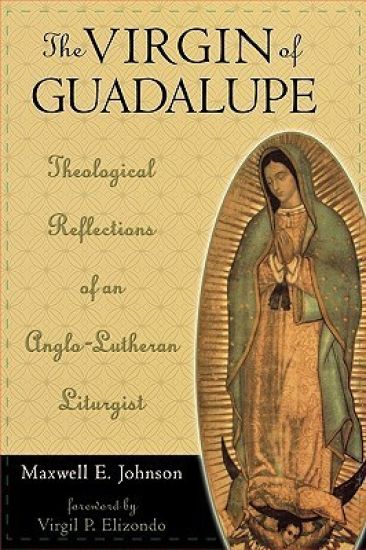
The Virgin of Guadalupe

The Virgin of Guadalupe

Maxwell E. Johnson; Virgil Elizondo

Rowman Littlefield Publishers
2002
sidottu
The appearance of the Virgin Mary on a hill in Guadalupe, Mexico in 1531 is perhaps the central tradition in Latino Catholicism. The vision, allegedly seen by recent convert Juan Diego, signalled the rise of Catholicism in the New World at a time when Protestantism was spreading throughout the old world. So what could a male, anglo protestant liturgist possibly have to say on the subject? In The Virgin of Guadalupe, Lutheran minister Maxwell Johnson recognizes that this tradition is not only important to Latin American Catholics, but to all Latin American Christians. Acknowledging the significance (if not, necessarily, the historical accuracy) of the appearance of the Virgin is not simply a Roman Catholic need by a necessity for all Christian churches among whom the Hispanic presence is growing. This is shown by the increased commemoration of Juan Diego on December 9, or of the Virgin of Guadalupe herself on December 12, on Protestant calendars. This increased recognition among Protestants coincides with the Pope's canonization of Saint Juan Diego in the summer of 2002. In step with this movement, Johnson considers the Virgin of Guadalupe from a Lutheran perspective and looks at ways in which she might be received into the evangelical or Protestant tradition.