
Kirjailija
Virginia Woolf
Kirjat ja teokset yhdessä paikassa: 1 163 kirjaa, julkaisuja vuosilta 1915–2027, suosituimpiin kuuluu Majakka. Vertaile teosten hintoja ja tarkista saatavuus suomalaisista kirjakaupoista.
1 163 kirjaa
Kirjojen julkaisuvuodet: 1915–2027.
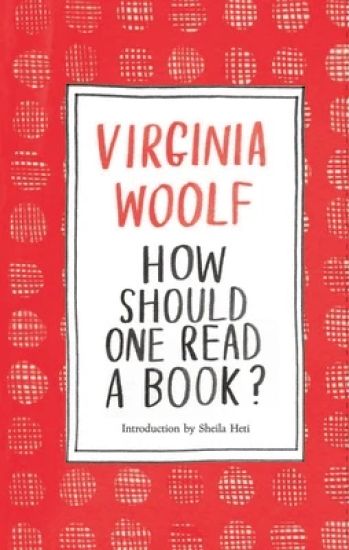
'Where are we to begin? How are we to bring order into this multitudinous chaos and so get the deepest and widest pleasure from what we read?'Published for the first time as a standalone volume, Virginia Woolf's short, impassioned essay, How Should One Read a Book? celebrates the enduring importance of great literature. In this timeless manifesto on the written word, rediscover the joy of reading and the power of a good book to change the world. One of the most significant modernist writers of the 20th Century, Virginia Woolf and her visionary essays are as relevant today as they were nearly one hundred years ago. Features a new introduction by Sheila Heti.
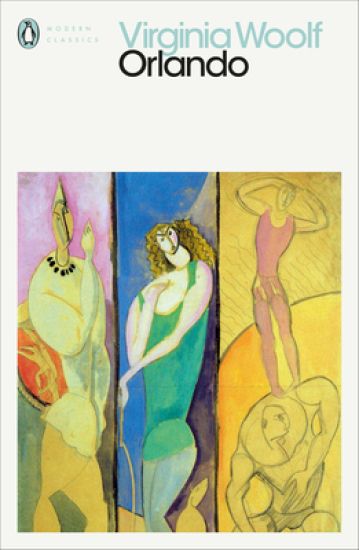
'A fantasy, impossible but delicious ... an exuberance of life and wit' The Times Literary SupplementFirst masculine, then feminine, Orlando begins life as a young sixteenth-century nobleman, then gallops through the centuries to end up as a woman writer in Virginia Woolf's own time. Written for the charismatic, bisexual writer Vita Sackville-West, this playful mock biography of a chameleon-like historical figure is both a wry commentary on gender and, in Woolf's own words, a 'writer's holiday' which delights in its ambiguity and capriciousness. Edited by Brenda Lyons with an Introduction and Notes by Sandra M. Gilbert
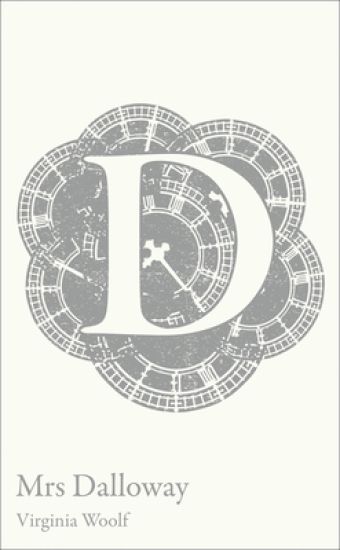
Exam board: Edexcel, OCR, Cambridge Assessment International Education Level & Subject: AS and A Level English Literature First teaching: September 2015 Next exams: 2025 This edition of Mrs Dalloway provides depth and context for A Level students, with the complete novel in an easy to read format, and a detailed introduction and bespoke glossary written by an experienced A Level teacher with academic expertise in the area. · Affordable high quality complete text of Mrs Dalloway, ideal for AS and A Level Literature· Perfectly pitched introductions provide the depth and demand required by AS and A Level· Explore the contemporary context, Virginia Woolf’s writing, the novel’s critical reception and subsequent interpretations for a deeper reading of the text· Expand your further reading with a list of key articles and critical and theoretical texts· Improve your understanding of the novel with unfamiliar concepts and culturally-specific terms defined in the glossary
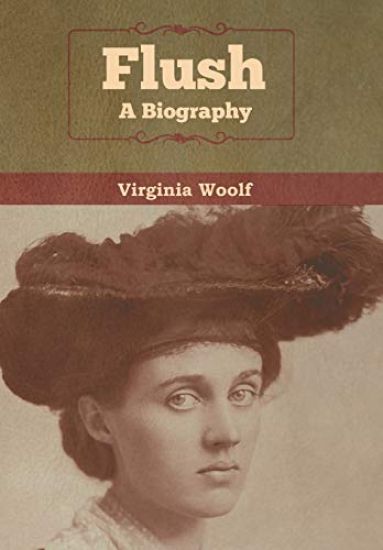
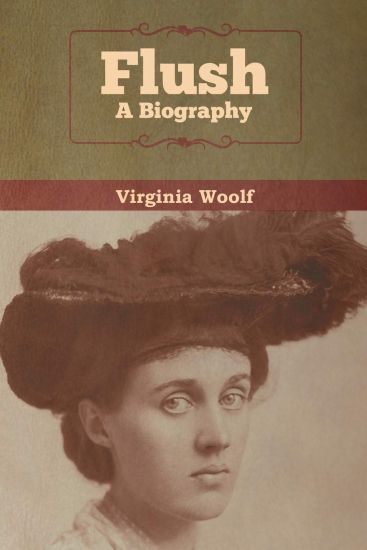
Flush: A Biography, an imaginative biography of Elizabeth Barrett Browning's cocker spaniel, is a cross-genre blend of fiction and nonfiction by Virginia Woolf published in 1933. It was Written after the completion of her emotionally draining The Waves, the work returned Woolf to the imaginative consideration of English history that she had begun in Orlando: A Biography, and to which she would return in Between the Acts...(wikipedia.org)
Flush: A Biography, an imaginative biography of Elizabeth Barrett Browning's cocker spaniel, is a cross-genre blend of fiction and nonfiction by Virginia Woolf published in 1933. It was Written after the completion of her emotionally draining The Waves, the work returned Woolf to the imaginative consideration of English history that she had begun in Orlando: A Biography, and to which she would return in Between the Acts...(wikipedia.org)
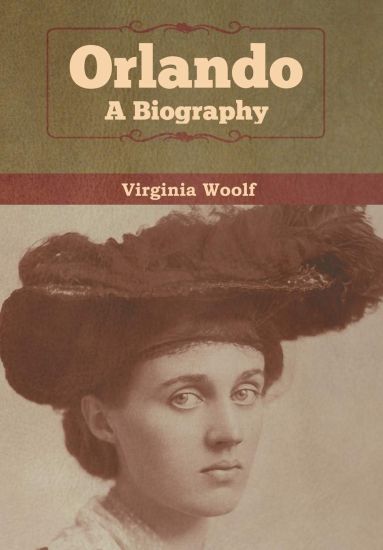
Orlando: A Biography is an influential novel by Virginia Woolf, first published on 11 October 1928. A semi-biographical novel based in part on the life of Woolf's lover Vita Sackville-West, it is generally considered one of Woolf's most accessible novels. The novel has been influential stylistically, and is considered important in literature generally, and particularly in the history of women's writing and gender studies. A film adaptation was released in 1992, starring Tilda Swinton as Orlando and Quentin Crisp as Queen Elizabeth I. (wikipedia.org)
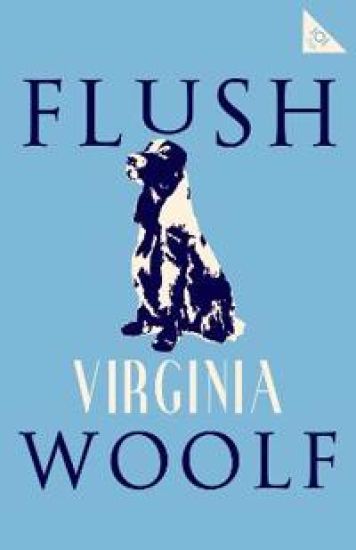
"Written after Woolf had finished her emotionally draining work on The Waves, Flush purports to be an autobiography of Elizabeth Barrett Browning’s eponymous cocker spaniel, charting the dog’s early days in the countryside, his adoption by the famous poet, his subsequent life in London and his travels with his owners to Italy. While the resulting narrative is light-hearted and playful on the surface, Woolf ingeniously uses the faux-naif impressions of her animal narrator to voice her social criticism on topics such as the class system and the relationship between man and woman. Much like its predecessor Orlando, Flush is a genre-defying blend of biography and fantasy, and an accessible yet stylistically innovative jeu d’esprit."
'One of the greatest elegies in the English language, a book which transcends time' Margaret DrabbleTo the Lighthouse is at once a vivid impressionistic depiction of a family, the Ramseys, whose annual summer holiday in Scotland falls under the shadow of war, and a meditation on marriage, on parenthood and childhood, on grief, tyranny and bitterness. The novel's use of stream of consciousness, reminiscence and shifting perspectives gives it an intimate, poetic essence, and at the time of publication in 1927 it represented an utter rejection of all that had gone before. Edited by Stella McNichol with an Introduction and Notes by Hermione Lee
'A fantasy, impossible but delicious ... an exuberance of life and wit' The Times Literary SupplementFirst masculine, then feminine, Orlando begins life as a young sixteenth-century nobleman, then gallops through the centuries to end up as a woman writer in Virginia Woolf's own time. Written for the charismatic, bisexual writer Vita Sackville-West, this playful mock biography of a chameleon-like historical figure is both a wry commentary on gender and, in Woolf's own words, a 'writer's holiday' which delights in its ambiguity and capriciousness. Edited by Brenda Lyons with an Introduction and Notes by Sandra M. Gilbert

Virginia Woolf in Richmond
Virginia Woolf; Leonard Woolf; Peter Fullagar; Paula Maggio
Aurora Metro Books
2018
sidottu
“I ought to be grateful to Richmond & Hogarth, and indeed, whether it’s my invincible optimism or not, I am grateful.” - Virginia Woolf Although more commonly associated with Bloomsbury, Virginia and her husband Leonard Woolf lived in Richmond-upon-Thames for ten years from the time of the First World War (1914-1924). Refuting the common misconception that she disliked the town, this book explores her daily habits as well as her intimate thoughts while living at the pretty house she came to love – Hogarth House. Drawing on information from her many letters and diaries, the editor reveals how Richmond’s relaxed way of life came to influence the writer, from her experimentation as a novelist to her work with her husband and the Hogarth Press, from her relationships with her servants to her many famous visitors.
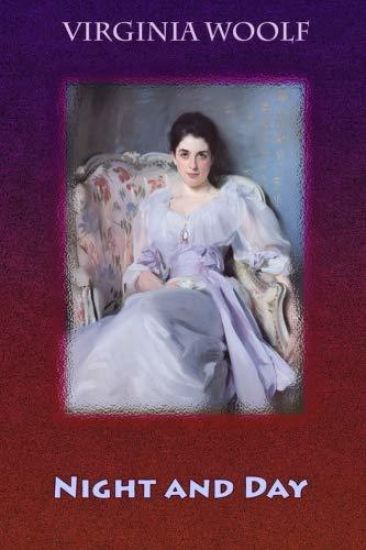
Night and Day is a novel by Virginia Woolf first published on 20 October 1919. Set in Edwardian London, Night and Day contrasts the daily lives and romantic attachments of two acquaintances, Katharine Hilbery and Mary Datchet. The novel examines the relationships between love, marriage, happiness, and success. Katharine Hilbery is beautiful and privileged, but uncertain of her future. She must choose between becoming engaged to the oddly prosaic poet William Rodney, and her dangerous attraction to the passionate Ralph Denham. As she struggles to decide, the lives of two other women - women's rights activist Mary Datchet and Katharine's mother, Margaret, struggling to weave together the documents, events and memories of her own father's life into a biography - impinge on hers with unexpected and intriguing consequences. Virginia Woolf's delicate second novel is both a love story and a social comedy, yet it also subtly undermines these traditions, questioning a woman's role and the very nature of experience.
Set in the summer home of an English family, the novel unfolds through shifting perspectives of each character's stream of consciousness, recalling childhood emotions and highlights of adult relationships. Shifts occur even mid-sentence, and in some sense they resemble the rotating beam of the lighthouse. A landmark of high modernism and one of Woolf's best works. To the Lighthouse features the serene and maternal Mrs. Ramsay, the tragic yet absurd Mr. Ramsay, and their children and assorted guests who are on holiday on the Isle of Skye. From the seemingly trivial postponement of a visit to a nearby lighthouse, Virginia Woolf constructs a moving examination of the complex tensions and allegiances of family life and the conflicts within a marriage.
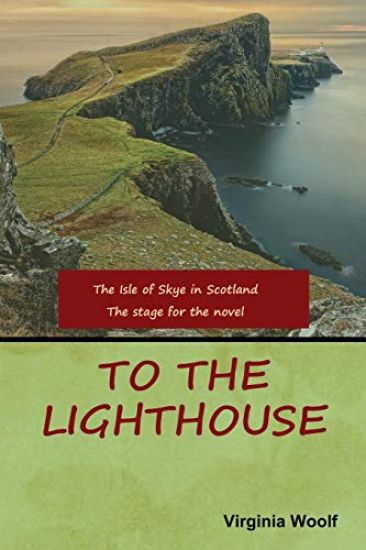
To the Lighthouse (5 May 1927) is a novel by Virginia Woolf. A landmark novel of high modernism, the text, centering on the Ramsay family and their visits to the Isle of Skye in Scotland between 1910 and 1920, skillfully manipulates temporality and psychological exploration. To the Lighthouse follows and extends the tradition of modernist novelists like Marcel Proust and James Joyce, where the plot is secondary to philosophical introspection, and the prose can be winding and hard to follow. The novel includes little dialogue and almost no action; most of it is written as thoughts and observations. The novel recalls the power of childhood emotions and highlights the impermanence of adult relationships. Among the book's many tropes and themes are those of loss, subjectivity, and the problem of perception. In 1998, the Modern Library named To the Lighthouse No. 15, on its list of the 100 best English-language novels of the 20th century. In 2005, the novel was chosen by TIME magazine as one of the one hundred best English-language novels from 1923 to present.
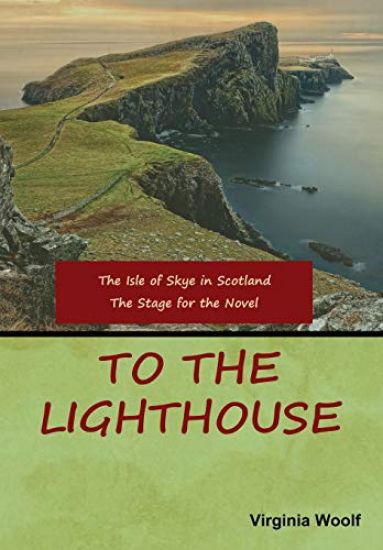
To the Lighthouse (5 May 1927) is a novel by Virginia Woolf. A landmark novel of high modernism, the text, centering on the Ramsay family and their visits to the Isle of Skye in Scotland between 1910 and 1920, skillfully manipulates temporality and psychological exploration. To the Lighthouse follows and extends the tradition of modernist novelists like Marcel Proust and James Joyce, where the plot is secondary to philosophical introspection, and the prose can be winding and hard to follow. The novel includes little dialogue and almost no action; most of it is written as thoughts and observations. The novel recalls the power of childhood emotions and highlights the impermanence of adult relationships. Among the book's many tropes and themes are those of loss, subjectivity, and the problem of perception. In 1998, the Modern Library named To the Lighthouse No. 15, on its list of the 100 best English-language novels of the 20th century. In 2005, the novel was chosen by TIME magazine as one of the one hundred best English-language novels from 1923 to present.
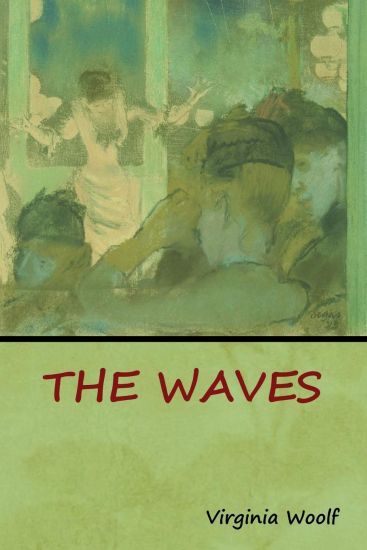
The Waves is a 1931 novel by Virginia Woolf. It is considered her most experimental work, and consists of soliloquies spoken by the book's six characters: Bernard, Susan, Rhoda, Neville, Jinny, and Louis. Also important is Percival, the seventh character, though readers never hear him speak in his own voice. The soliloquies that span the characters' lives are broken up by nine brief third-person interludes detailing a coastal scene at varying stages in a day from sunrise to sunset. As the six characters or "voices" speak Woolf explores concepts of individuality, self and community. Each character is distinct, yet together they compose (as Ida Klitg rd has put it) a gestalt about a silent central consciousness. In a 2015 poll conducted by BBC, The Waves was voted the 16th greatest British novel ever written.
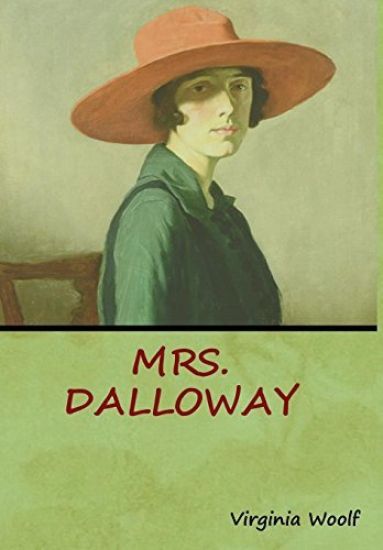
Mrs. Dalloway (published on 14 May 1925) is a novel by Virginia Woolf that details a day in the life of Clarissa Dalloway in post-World War I England. It is one of Woolf's best-known novels. Created from two short stories, "Mrs. Dalloway in Bond Street" and the unfinished "The Prime Minister," the novel's story is of Clarissa's preparations for a party of which she is to be hostess. With the interior perspective of the novel, the story travels forwards and back in time and in and out of the characters' minds to construct an image of Clarissa's life and of the inter-war social structure. In 2005 the novel was chosen by TIME magazine as one of the one hundred best English-language novels from 1923 to present. Margaret Drabble's novel The Middle Ground (1980) contains several allusions to Mrs. Dalloway.