
Kirjojen hintavertailu – 12 903 724 kirjaa ja 27 kauppaa

Kirjailija

Vivek Chadha

Kirjat ja teokset yhdessä paikassa: 2 kirjaa, julkaisuja vuosilta 2019–2024, suosituimpiin kuuluu 1971 India-Pakistan War. Vertaile teosten hintoja ja tarkista saatavuus suomalaisista kirjakaupoista.

2 kirjaa

Kirjojen julkaisuvuodet: 2019–2024.

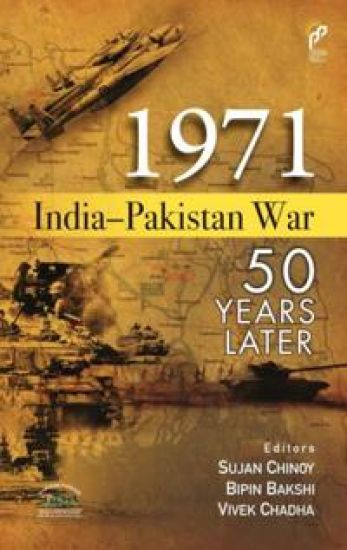
1971 India-Pakistan War

1971 India-Pakistan War

Sujan Chinoy; Vivek Chadha; Bakshi

PENTAGON PRESS
2024
sidottu
Five decades may not be a long time in a nation's history. It is however, long enough to take a dispassionate and objective look at events that change the path of history. The 1971 India-Pakistan War, along with the incidents that preceded it and followed its culmination, is perhaps one of the most important ones for the future of the Indian subcontinent. There have been a number of books, memoirs and articles over the years that have documented first-person and academic accounts of events that marked this period of history. Not surprisingly, most were written during the period succeeding the war and after the birth of Bangladesh. In contrast, this book is an attempt to evaluate events with the benefit of a five-decade time lapse. In doing so, the focus remains firmly on the military aspects of the war, accompanied by a brief account of political events, diplomacy, influence of major powers, public perception and the role of Mukti Bahini. The publication of this book coincides with the culmination of a year-long period during which a number of events were held to mark the momentous occasion.
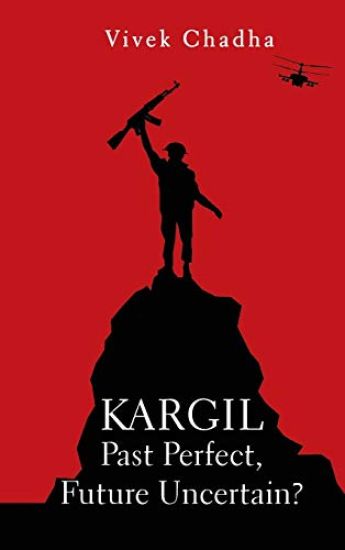
Kargil

Kargil

Vivek Chadha

K W Publishers Pvt Ltd
2019
sidottu
The Kargil conflict was fought 20 years ago. However, it continues to remain relevant for strategic analysts, military historians, academics, armed forces personnel and diplomats. This book, delves into the structures, planning processes and procedures adopted while pursuing diplomacy, higher direction of war and strategic communications, on both sides of the Line of Control during the Kargil conflict. In doing so, existing arguments are challenged and alternative conclusions drawn. This includes the debate around the decision not to cross the LoC during operations, the decision making process involved with the employment of air power and limitations of existing strategic communication structures of the armed forces, as observed during the conflict. The second part of the book employs Kargil and the succeeding 20 years, as the basis for analysing the changing character of war. This includes a study of its implications on the notion of victory and shifts needed while pursuing diplomacy, higher direction of war and strategic communications. It also introduces the concept of finite and infinite game theory to conflicts in the sub-continental context, in an attempt to contextualise it through a fresh perspective.