Kirjojen hintavertailu – 12 859 818 kirjaa ja 27 kauppaa

Kirjailija

Vladislav Khodasevich

Kirjat ja teokset yhdessä paikassa: 7 kirjaa, julkaisuja vuosilta 2007–2025, suosituimpiin kuuluu Nekropol. Vertaile teosten hintoja ja tarkista saatavuus suomalaisista kirjakaupoista.

7 kirjaa

Kirjojen julkaisuvuodet: 2007–2025.

Poety Serebrjanogo veka. Antologija

Poety Serebrjanogo veka. Antologija

Aleksander Blok; Vladislav Khodasevich; Maksimilian Voloshin; Vladimir Majakovski; Sergej Esenin; Boris Pasternak; Marina Tsvetaeva; Nikolai Gumilev; Anna Ahmatova; Fedor Sologub; Dmitrij Merezhkovskij; Konstantin Balmont; O. Saburova

Azbooka
2025
sidottu
Po analogii s pushkinskim zolotym vekom epokha rubezha XIX i XX stoletija poluchila nazvanie Serebrjanogo veka i byla oznamenovana javleniem nebyvalogo chisla jarkikh imen v russkoj poezii: Balmont i Brjusov, Gippius i Merezhkovskij, Sologub i Annenskij, Blok i Akhmatova, Gumilev i Mandelshtam, Tsvetaeva i Pasternak, Esenin i Majakovskij i desjatki drugikh. No ne tolko velikoe mnozhestvo poeticheskikh darovanij porodila eta epokha. Serebrjanomu veku bylo prisusche osoboe romanticheskoe mirooschuschenie, udivitelnaja atmosfera, stavshaja otrazheniem dukhovnogo podema i novykh vejanij, kotorye zatronuli kak russkuju literaturu, tak i russkuju zhivopis, filosofiju, muzyku i teatr, - eto byl nastojaschij "kulturnyj renessans", kak pisal Nikolaj Berdjaev. V etoj antologii s dostatochnoj polnotoj predstavleny naibolee jarkie poety Serebrjanogo veka, tvorchestvo kotorykh proshlo ispytanie vremenem i stalo dostojaniem ne tolko epokhi proshlogo, no i chastju russkoj literatury v tselom. Sostavlenie i statja: O. Saburovoj.
Stikhotvorenija

Stikhotvorenija

Vladislav Khodasevich

Eksmo
2023
sidottu
Vladislav Khodasevich - ostroumnyj kritik i bespodobnyj poet, odin iz samyj znachitelnykh otechestvennykh stikhotvortsev XX veka i tsentralnaja figura pervoj volny russkoj emigratsii. V knigu voshli luchshie stikhotvorenija Khodasevicha, v kazhdom iz kotorykh avtoru udalos vyrazit samye neulovimye chelovecheskie chuvstva. Eti stikhi napisany s pomoschju serdtsa i razuma, kotorye smogli dogovoritsja o sojuze, a ne o sopernichestve za pravo byt pervym. Izdanie soprovozhdeno podrobnym predisloviem istorika literatury Valerija Shubinskogo, a takzhe statjami i ocherkami samogo Vladislava Khodasevicha, znamenitogo, v tom chisle, v kachestve vnimatelnogo kritika.
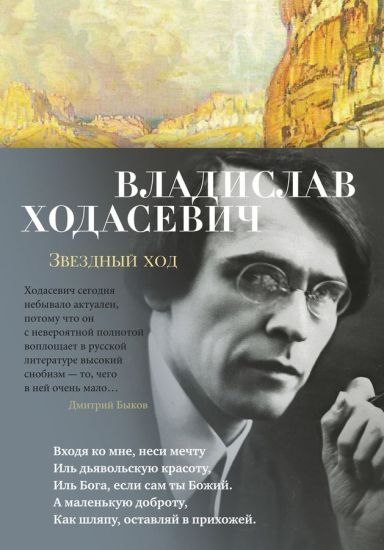
Zvezdnyj khod. Stikhotvorenija

Zvezdnyj khod. Stikhotvorenija

Vladislav Khodasevich

Azbooka
2021
sidottu
"Krupnejshij poet nashego vremeni, literaturnyj potomok Pushkina po tjutchevskoj linii, on ostanetsja gordostju russkoj poezii, poka zhiva poslednjaja pamjat o nej", - pisal o Khodaseviche Vladimir Nabokov, malo kogo udostaivavshij stol vysokikh otsenok. Krome stikhov, tvorcheskoe nasledie Vladislava Khodasevicha vkljuchaet istoriko-literaturnye raboty o Pushkine i biografiju Derzhavina, kriticheskie stati i vospominanija, v tom chisle "Nekropol" - obrazets blestjaschej memuarnoj prozy i odno iz samykh jarkikh svidetelstv ob epokhe Serebrjanogo veka. Poeticheskij debjut Khodasevicha sostojalsja v 1905 godu v almanakhe simvolistskogo izdatelstva "Grif", gde spustja tri goda vyshla i pervaja poeticheskaja kniga - "Molodost" (1908), za kotoroj posledoval sbornik "Schastlivyj domik" (1914). Rannee tvorchestvo Khodasevicha, stavshee otrazheniem misticheskikh vejanij Serebrjanogo veka, po opredeleniju kritikov, javilos svoeobraznym "kokonom", iz kotorogo vyshla vsja ego zrelaja lirika. V nastojaschem izdanii v polnom obeme predstavlen tvorcheskij put poeta: ot rannikh junosheskikh stikhov k glavnym knigam, kotorye stali splavom pushkinskoj traditsii i dostizhenij russkogo modernizma i prinesli Vladislavu Khodasevichu slavu bolshogo poeta: "Putem zerna" (1920), "Tjazhelaja lira" (1921) i "Evropejskaja noch" (1927).
Necropolis

Necropolis

Vladislav Khodasevich

Columbia University Press
2019
sidottu
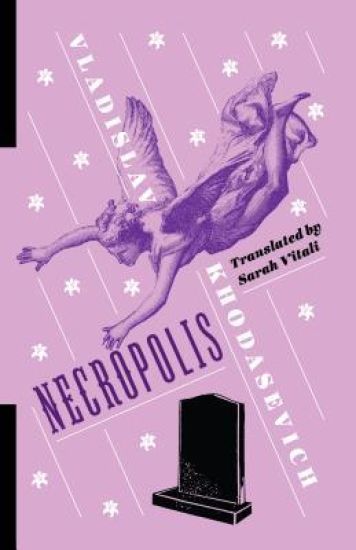
Necropolis is an unconventional literary memoir by Vladislav Khodasevich, hailed by Vladimir Nabokov as “the greatest Russian poet of our time.” In each of the book’s nine chapters, Khodasevich memorializes a significant figure of Russia’s literary Silver Age, and in the process writes an insightful obituary of the era. Written at various times throughout the 1920s and 1930s following the deaths of its subjects, Necropolis is a literary graveyard in which an entire movement, Russian Symbolism, is buried. Recalling figures including Alexander Blok, Sergey Esenin, Fyodor Sologub, and the socialist realist Maxim Gorky, Khodasevich tells the story of how their lives and artworks intertwined, including a notoriously tempestuous love triangle among Nina Petrovskaya, Valery Bryusov, and Andrei Bely. He testifies to the seductive and often devastating power of the Symbolist attempt to turn one’s life into a work of art and, ultimately, how one man was left with the task of memorializing his fellow artists after their deaths. Khodasevich’s portraits deal with revolution, disillusionment, emigration, suicide, the vocation of the poet, and the place of the artist in society. One of the greatest memoirs in Russian literature, Necropolis is a compelling work from an overlooked writer whose gifts for observation and irony show the early twentieth-century Russian literary scene in a new and more intimate light.
Necropolis

Necropolis

Vladislav Khodasevich

Columbia University Press
2019
pokkari
Necropolis is an unconventional literary memoir by Vladislav Khodasevich, hailed by Vladimir Nabokov as “the greatest Russian poet of our time.” In each of the book’s nine chapters, Khodasevich memorializes a significant figure of Russia’s literary Silver Age, and in the process writes an insightful obituary of the era. Written at various times throughout the 1920s and 1930s following the deaths of its subjects, Necropolis is a literary graveyard in which an entire movement, Russian Symbolism, is buried. Recalling figures including Alexander Blok, Sergey Esenin, Fyodor Sologub, and the socialist realist Maxim Gorky, Khodasevich tells the story of how their lives and artworks intertwined, including a notoriously tempestuous love triangle among Nina Petrovskaya, Valery Bryusov, and Andrei Bely. He testifies to the seductive and often devastating power of the Symbolist attempt to turn one’s life into a work of art and, ultimately, how one man was left with the task of memorializing his fellow artists after their deaths. Khodasevich’s portraits deal with revolution, disillusionment, emigration, suicide, the vocation of the poet, and the place of the artist in society. One of the greatest memoirs in Russian literature, Necropolis is a compelling work from an overlooked writer whose gifts for observation and irony show the early twentieth-century Russian literary scene in a new and more intimate light.
Nekropol

Nekropol

Vladislav Khodasevich

Prozaik
2016
sidottu
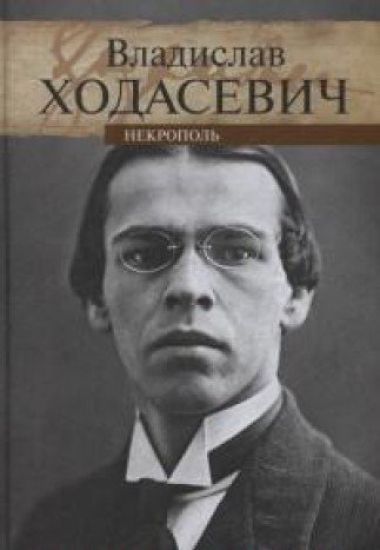
Kniga Vladislava Khodasevicha (1886-1939) "Nekropol", uzhe davno stavshaja klassikoj memuarnogo zhanra, interesna prezhde vsego ostrymi, poroj sovershenno neozhidannymi kharakteristikami ljudej, s kotorymi avtora stalkivala zhizn - a sredi nikh Blok, Brjusov, Andrej Belyj, Gumilev, Gorkij, Fedor Sologub, Esenin, - i sovershenno osobym "makabricheskim" tonom povestvovanija, kotorym obuslovleno i samo nazvanie knigi, - v revoljutsii, grazhdanskoj vojne, vynuzhdennoj emigratsii mnogikh predstavitelej russkoj intelligentsii Khodasevich videl gibel russkoj kultury. Eti nastroenija voobsche byli svojstvenny dlja poslednego etapa tvorchestva etogo vydajuschegosja poeta, zavershivshego svoju zhizn vdali ot rodiny. V knigu takzhe vkljucheny memuarnye ocherki, ne voshedshie v "Nekropol", publikovavshiesja v emigrantskikh gazetakh i zhurnalakh.
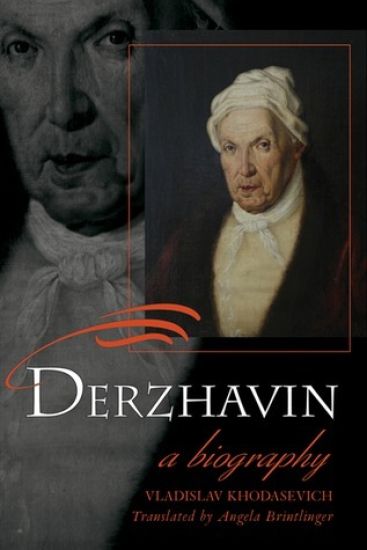
Derzhavin

Derzhavin

Vladislav Khodasevich

Wisconsin Center for Pushkin Studies
2007
sidottu
Russian poet, soldier, and statesman Gavriil Derzhavin (1743-1816) lived during an epoch of momentous change in Russia - imperial expansion, peasant revolts, war with Turkey, and struggle with Napoleon - and he served three tsars, including Catherine the Great. Here in its first English translation is the masterful biography of Derzhavin by another acclaimed Russian man of letters, Vladislav Khodasevich. Derzhavin occupied a position at the center of Russian life, uniting civic service with poetic inspiration and creating an oeuvre that at its essence celebrated the triumphs of Russia and its rulers, particularly Catherine the Great. His biographer Khodasevich, by contrast, left Russia in 1922, unable to abide the increasingly repressive regime of the Soviets. For Khodasevich, whose lyric poems were as commonplace in their focus as Derzhavin's odes were grand, this biography was in a sense a rediscovery of a lost and idyllic era, a period when it was possible to aspire to the pinnacles of artistic achievement while still occupying a central role in Russian society. Khodasevich writes with humor, intelligence, and understanding, and his work stands as a monument to the last three centuries of Russian history, lending keen insight into Russia's past as well as its present and future.