Kirjojen hintavertailu – 12 859 829 kirjaa ja 27 kauppaa

Kirjailija

Volodymyr Ivanov

Kirjat ja teokset yhdessä paikassa: 5 kirjaa, julkaisuja vuosilta 2006–2024, suosituimpiin kuuluu Biogranulation Technologies for Wastewater Treatment. Vertaile teosten hintoja ja tarkista saatavuus suomalaisista kirjakaupoista.

5 kirjaa

Kirjojen julkaisuvuodet: 2006–2024.

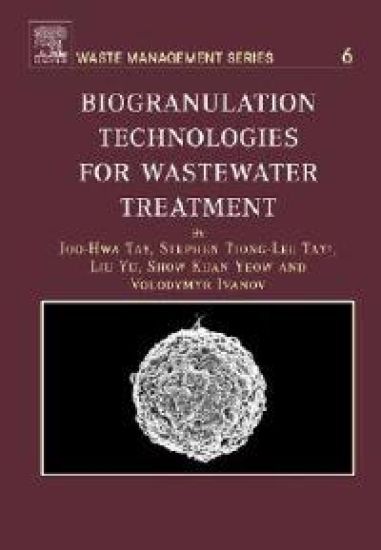
Biogranulation Technologies for Wastewater Treatment

Biogranulation Technologies for Wastewater Treatment

Joo-Hwa Tay; Stephen Tiong-Lee Tay; Yu Liu; Kuan Yeow Show; Volodymyr Ivanov

Pergamon Press
2006
sidottu
Microbial granules have practical importance in anaerobic and aerobic biological wastewater treatment. Advantages of granules are retention of biomass in reactor, diversity of microorganisms, complex structure, and resistance to unfavorable conditions. Microbial granules can be used to treat municipal and industrial wastewater for removal of organic matter, xenobiotics, nutrients, and heavy metals. The book covers almost all aspects of formation and use of microbial granules in wastewater treatment. The data on aerobic microbial granulation are related mostly to laboratory systems due to few pilot systems in the world using aerobic microbial granules. However, by the analogy with anaerobic granulation, which is now used worldwide, it is possible to predict wide applications of aerobic granulation. This book will help researchers and engineers develop these new biotechnologies of wastewater treatment based on aerobic granulation.
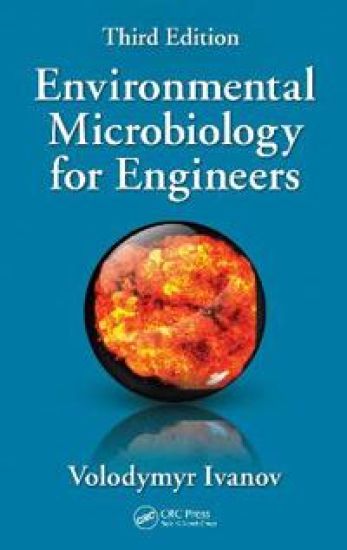
Environmental Microbiology for Engineers

Environmental Microbiology for Engineers

Volodymyr Ivanov

TAYLOR FRANCIS LTD
2024
nidottu
The third edition of Environmental Microbiology for Engineers explores the role that microorganisms play in the engineered protection and enhancement of an environment. Offering a perfect balance of microbiological knowledge and environmental biotechnology principles, it provides a practical understanding of microorganisms and their functions in the environment and in environmental engineering systems. The book also presents a quantitative description of applied microbiological processes and their engineering design. This updated edition includes all new information on construction biotechnology, biogeotechnical engineering, construction biomaterials, environmental engineering of life-support closed ecosystems, defense biotechnologies, and biosafety in civil and environmental engineering. Features: Classroom tested in universities as a primary course text for civil and environmental engineering students Includes quizzes, problems, and solutions for better understanding of the material Covers essential topics such as the diversity and functions of microorganisms in the environment and environmental engineering systems, the structure and functions of microbial ecosystems, applied microbial genetics and molecular biology, environmental bioengineering, and more Offers combined coverage of microbiology and biotechnology adapted for students in advanced civil and environmental engineering coursesEnvironmental Microbiology for Engineers provides a practical understanding of microorganisms in civil engineering processes and their functions in environmental engineering systems. It is intended for upper-level undergraduate, graduate, and post-graduate students of civil and environmental engineering. It is also useful for practicing environmental engineers working in the areas of wastewater, solid waste treatment, soil remediation, and ground improvement.
Environmental Microbiology for Engineers
The third edition of Environmental Microbiology for Engineers explores the role that microorganisms play in the engineered protection and enhancement of an environment. Offering a perfect balance of microbiological knowledge and environmental biotechnology principles, it provides a practical understanding of microorganisms and their functions in the environment and in environmental engineering systems. The book also presents a quantitative description of applied microbiological processes and their engineering design. This updated edition includes all new information on construction biotechnology, biogeotechnical engineering, construction biomaterials, environmental engineering of life-support closed ecosystems, defense biotechnologies, and biosafety in civil and environmental engineering. Features: Classroom tested in universities as a primary course text for civil and environmental engineering students Includes quizzes, problems, and solutions for better understanding of the material Covers essential topics such as the diversity and functions of microorganisms in the environment and environmental engineering systems, the structure and functions of microbial ecosystems, applied microbial genetics and molecular biology, environmental bioengineering, and more Offers combined coverage of microbiology and biotechnology adapted for students in advanced civil and environmental engineering coursesEnvironmental Microbiology for Engineers provides a practical understanding of microorganisms in civil engineering processes and their functions in environmental engineering systems. It is intended for upper-level undergraduate, graduate, and post-graduate students of civil and environmental engineering. It is also useful for practicing environmental engineers working in the areas of wastewater, solid waste treatment, soil remediation, and ground improvement.
Construction Biotechnology

Construction Biotechnology

Volodymyr Ivanov; Viktor Stabnikov

Springer Verlag, Singapore
2018
nidottu
This book presents the first comprehensive text on construction biomaterials and bioprocesses. It details aspects of construction biotechnology, a new interdisciplinary area involving applications of environmental and industrial microbiology and biotechnology in geotechnical and civil engineering. It also critically reviews all existing and potential construction biotechnology processes. It discusses a number of topics including the biotechnological production of new construction materials such as self-healing concrete, construction biocomposites, construction bioplastics, and biotechnological admixtures to cement. It also addresses construction-related processes like biocementation, bioclogging, soil surface fixation and biosealing, microbial cements and grouts, the biocoating of construction material surfaces, the microbiology and biosafety of the construction environment, the prevention of biocorrosion as well as biodeterioration and biofouling in civil engineering. Biomediated precipitation of calcium, magnesium, and iron compounds as carbonates, phosphates, sulphides, and silicate minerals in soil for its clogging and strengthening are considered from geotechnical, chemical, and microbiological points of view. It offers an overview of the basic microbiology that will enable civil engineers to perform the construction biogeochemical processes. Design principles and considerations for different field implementations are discussed from a practical point of view. The book can be used as a textbook for graduate and senior undergraduate students in biotechnology, civil engineering and environmental engineering as well as a reference book for researchers and practitioners working in this new interdisciplinary area.
Construction Biotechnology

Construction Biotechnology

Volodymyr Ivanov; Viktor Stabnikov

Springer Verlag, Singapore
2016
sidottu
This book presents the first comprehensive text on construction biomaterials and bioprocesses. It details aspects of construction biotechnology, a new interdisciplinary area involving applications of environmental and industrial microbiology and biotechnology in geotechnical and civil engineering. It also critically reviews all existing and potential construction biotechnology processes. It discusses a number of topics including the biotechnological production of new construction materials such as self-healing concrete, construction biocomposites, construction bioplastics, and biotechnological admixtures to cement. It also addresses construction-related processes like biocementation, bioclogging, soil surface fixation and biosealing, microbial cements and grouts, the biocoating of construction material surfaces, the microbiology and biosafety of the construction environment, the prevention of biocorrosion as well as biodeterioration and biofouling in civil engineering. Biomediated precipitation of calcium, magnesium, and iron compounds as carbonates, phosphates, sulphides, and silicate minerals in soil for its clogging and strengthening are considered from geotechnical, chemical, and microbiological points of view. It offers an overview of the basic microbiology that will enable civil engineers to perform the construction biogeochemical processes. Design principles and considerations for different field implementations are discussed from a practical point of view. The book can be used as a textbook for graduate and senior undergraduate students in biotechnology, civil engineering and environmental engineering as well as a reference book for researchers and practitioners working in this new interdisciplinary area.