Kirjojen hintavertailu – 12 859 828 kirjaa ja 27 kauppaa
Kirjailija
W. Larry Kenney
Kirjat ja teokset yhdessä paikassa: 7 kirjaa, julkaisuja vuosilta 2014–2026, suosituimpiin kuuluu Practical Guide to Exercise Physiology. Vertaile teosten hintoja ja tarkista saatavuus suomalaisista kirjakaupoista.
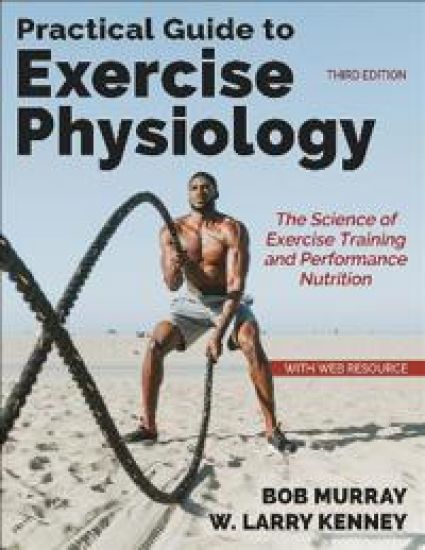
A highly visual exercise physiology resource—fully updated in this third edition. Practical Guide to Exercise Physiology, Third Edition, takes a straightforward approach to teaching students and health and fitness professionals the fundamentals of exercise physiology, metabolism, and nutrition. Vivid medical illustrations make this a clear and easy-to-follow resource on the basic principles of exercise physiology. The text explores trending fitness concepts such as HIIT, periodization, and retraining. The third edition of Practical Guide to Exercise Physiology has been updated throughout with user-friendly examples and new references to further support the readers' learning. Key updates include these: A new chapter on training during pregnancy A new chapter discussing training masters athletes Refreshed Performance Nutrition Spotlights elements, which offer advice and tips on using nutrition to support adaptations and improve performance Updated artwork and photos that provide visual learning opportunities Revisions to the Index of Common Questions From Clients, which collects the most common inquiries from clients and points to the corresponding chapter where each of those topics is covered, helping readers to quickly access the information Bringing intricate physiological processes to life, Practical Guide to Exercise Physiology teaches readers how the body responds and adapts to physical activity. A foundation in exercise physiology prepares readers to select appropriate training programs and explain them to others. The included web resource provides 22 practical checklists available as downloadable Word documents as well as case scenarios to assist students in working with athletes and clients. Part I reviews human physiology fundamentals, including muscles and muscle adaptation, bioenergetics, and the cardiorespiratory system. Part II applies these scientific concepts to training programs designed for specific fitness goals. These goals include weight loss and improvements in strength and muscle mass, speed and power, and aerobic endurance. Part III of the text outlines special considerations for training with pregnant women, children, and older adults. Practical Guide to Exercise Physiology, Third Edition, will leave readers feeling confident in designing exercise programs for various populations and in their ability to explain to clients how science-based training will help them achieve their goals. Earn continuing education credits/units! A continuing education exam that uses this book is also available. It may be purchased separately or as part of a package that includes both the book and exam.
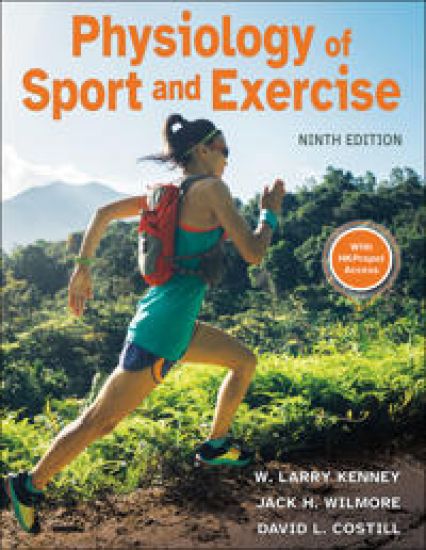
Combining research with extensive visual aids, Physiology of Sport and Exercise, Ninth Edition With HKPropel Access, offers a simple way for students to explore the body’s response to various types and intensities of exercise and sports. The ninth edition of the text continues its legacy as a top physiology resource and favorite of instructors and students alike. Written by a team of distinguished researchers, all past presidents of the American College of Sports Medicine, this ninth edition has been updated based on the most recent standards and guidelines in the field of exercise physiology. It continues its rich tradition of offering superior illustrations, photos, and medical artwork with a modern look to encourage a deep understanding of complex topics. Related multimedia components delivered through HKPropel further enrich the learning experience: 26 animations and 66 audio clips offer explanations of elaborate physiological processes. More than 30 video clips feature leaders in the field discussing central topics, including several new clips to help students connect theoretical and practical concepts. The digital elements have been refreshed and modernized for this edition, and QR codes throughout the text help you reach the content quickly. Various types of online learning activities, key term flash card reviews, and key term quizzes offer interactive opportunities to engage with the content, including the ability for instructors to assign and track progress directly through HKPropel. Chapter quizzes may also be assigned; these are automatically graded in order to test comprehension of critical concepts. In addition to a refreshed chapter-opening format that draws readers in, Physiology of Sport and Exercise, Ninth Edition, incorporates the latest research in the field: New content on energy sources used in exercise Expanded content on fatigue and exercise performance Expanded coverage of the interactive effects of insulin and exercise More detail on lactate threshold and lactate shuttle Content on the role of vascular changes in skeletal muscle health and function Updated Research Perspective sidebars, including over 60 new sidebars, that emphasize emerging findings in the field As in previous editions, readability and ease of understanding make Physiology of Sport and Exercise different from other physiology resources. Unique learning aids, including chapter-opening outlines and review boxes, will help students focus on the major concepts addressed. Study questions and a list of key terms at the end of each chapter provide opportunities for recall and self-assessment. A comprehensive glossary and updated lists of common abbreviations and conversions provide easy reference for students. Physiology of Sport and Exercise has been a pivotal textbook in the field of exercise physiology. The ninth edition offers dynamic and interactive learning activities, easy-to-follow layouts, and research-oriented content enriched with visual supplements. Note: A code for accessing HKPropel is included with all new print books.
This is the loose-leaf version of Physiology of Sport and Exercise, Eighth Edition With HKPropel Access, which offers students a less expensive printed version of the text. Physiology of Sport and Exercise, Eighth Edition With HKPropel Access, continues its legacy as a top physiology textbook and favorite of instructors and students alike. Combining research with extensive visual aids, this resource offers a simple way for students to explore the body’s response to various types and intensities of exercise and sports. Written by a team of distinguished researchers, all past presidents of the American College of Sports Medicine, this eighth edition has been updated based on the most recent standards and guidelines in the field of exercise physiology. The text builds upon the previous edition’s high standards for illustrations, photos, and medical artwork with a refreshed, more sophisticated look to encourage a deep understanding of complex topics. Related multimedia components delivered through HKPropel further enrich the learning experience with 26 animations that offer a dynamic way to experience physiological concepts and 66 audio clips that offer explanations of elaborate physiological processes. Leaders in the field help students connect theoretical and practical concepts in 27 video clips. Various types of online learning activities, key term flash card reviews, and key term quizzes offer interactive opportunities to engage with the content—all of which can be assigned, and progress tracked, by instructors directly through HKPropel. In addition, chapter quizzes (assessments) may also be assigned; these are automatically graded to test comprehension of critical concepts. QR codes throughout the text notify students when complementary digital components are available. Physiology of Sport and Exercise, Eighth Edition, features the following enhancements based on the latest research in the field: Additional information on cellular signaling and molecular adaptationsExpanded content on obesity and sports nutritionReorganized and expanded chapters on energy expenditure and exercise prescription that make the content more accessible to studentsExtensive updates on important topics, including bioinformatics and big data, reading research articles, molecular mechanisms of increased protein synthesis, muscle cramps, and mitochondrial oxidationUpdated Research Perspective sidebars that emphasize emerging findings in the field and a Research Perspectives Finder to help students locate key content quickly As in previous editions, readability and ease of understanding make Physiology of Sport and Exercise different from other physiology resources. Unique learning aids, including chapter-opening outlines and review boxes throughout each chapter, will help students focus on the major concepts addressed. Study questions and a list of key terms at the end of each chapter provide opportunities for recall and self-assessment. A comprehensive glossary and lists of common abbreviations and conversions provide easy reference for students. Physiology of Sport and Exercise has been a pivotal textbook in the field of exercise physiology. Through this edition’s dynamic and interactive learning activities, easy-to-follow layouts, and research-oriented content enriched with visual supplements, students and instructors will find this an invaluable resource for their continued education. Note: A code for accessing HKPropel is included with all new print books.
Science comes to life with Practical Guide to Exercise Physiology, Second Edition. Taking an application-based approach, supported by vivid medical illustrations, this book provides students and health and fitness professionals with a simple and straightforward way to learn the fundamentals of human physiology, metabolism, and nutrition. Intricate physiological processes responsible for how the body responds and adapts to physical activity are described in an accessible manner so that readers can easily select appropriate training programs and explain them to others. Practical Guide to Exercise Physiology, Second Edition, is complemented by medical artwork that puts these complex systems into a digestible visual context. These systems are then applied to real-world practice and training principles that are beneficial to specific body systems to achieve the desired results. Part I of Practical Guide to Exercise Physiology, Second Edition, reviews human physiology fundamentals, including muscles and muscle adaptation, bioenergetics, and the cardiorespiratory system. Part II applies these scientific concepts to training programs designed for specific fitness goals. These goals include weight loss and improvements in strength and muscle mass, speed and power, and aerobic endurance. Part III of the text outlines special considerations for training with pregnant women and children as well as older adults. This part also includes exercise adjustments for changes in temperature and altitude. The second edition of Practical Guide to Exercise Physiology features new content on trending fitness concepts such as HIIT, periodization, and detraining. The text also provides several useful tools for practical application: Fun facts and sidebars examine current topics and engage readers with additional content about the human body’s response to training. At the end of each chapter, summary statements and review questions highlight essential information. Performance Nutrition Spotlights offer advice and tips on using nutrition to support adaptations and improve performance. The Index of Common Questions From Clients section collects the most common inquiries from clients and points to the corresponding chapter where each of those topics is covered, helping readers to quickly access the information. Practical Guide to Exercise Physiology, Second Edition, contains all the information students and fitness professionals need to understand the connection between physiology and exercise. Readers will gain confidence in designing exercise programs for various populations and in their ability to explain to clients how each exercise and movement will help them achieve their goals. Earn continuing education credits/units! A continuing education exam that uses this book is also available. It may be purchased separately or as part of a package that includes both the book and exam.
La quinta edición de Fisiología del Deporte y el Ejercicio, el libro de texto preferido en los programas de estudio de fisiología del ejercicio, ha sido completamente actualizada, tanto en su contenido como en su diseño gráfico. Todos los autores son investigadores destacados y expresidentes del American College of Sports Medicine. Su amplia experiencia ha permitido conformar un libro con un contenido técnico de excelencia pero que conserva, a la vez, un formato fácilmente comprensible para el estudiante, características que han llevado a esta obra a ser la elegida por los docentes y los alumnos. Esta edición se ha rediseñado para conseguir un aspecto visual más atractivo, que facilite a los estudiantes el proceso de aprendizaje. Las nuevas fotografías e ilustraciones tienen mayor detalle y claridad, y muestran de forma más precisa el funcionamiento del organismo y sus respuestas a la actividad física. El texto también se ha redactado nuevamente a fin de que se integre con las figuras, lo que facilita la comprensión de los temas expuestos. Además de las nuevas ilustraciones, el contenido de Fisiología del Deporte y el Ejercicio se ha actualizado conforme a las últimas investigaciones, e incluye: • Nuevo texto en los capítulos sobre entrenamiento de la resistencia, que comprende los principios sobre el entrenamiento de la fuerza basados en la información de la ACSM de 2009 y nuevas secciones sobre la fuerza, el entrenamiento de la estabilidad y el entrenamiento intermitente de alta intensidad • Los capítulos sobre metabolismo y control hormonal se han reorganizado y actualizado por completo conforme a los comentarios recibidos de los docentes, a fin de ayudar a los estudiantes a comprender mejor estos sistemas complejos • Nuevos contenidos sobre el ácido láctico como fuente de energía, calambres musculares, obesidad infantil, utilización de sustratos y respuesta endocrina al ejercicio y envejecimiento de los vasos sanguíneos • Cobertura actualizada de las funciones cardíacas centrales y periféricas, la tríada de las atletas y el ciclo menstrual • Nuevas investigaciones sobre los efectos de la actividad física sobre la salud, que incluyen los datos internacionales sobre la incidencia de las enfermedades cardiovasculares y la obesidad Una de las características tradicionalmente apreciadas de este libro es su claridad en la exposición de los temas. Esta edición continúa ofreciendo un tratamiento integral de la compleja relación entre la fisiología humana y el ejercicio, conservando a la vez un enfoque ameno y que consigue captar el interés del alumno. Sus características pedagógicas singulares permiten a los estudiantes adquirir conocimientos a medida que descubren la profundidad y la amplitud de este campo de estudio fascinante. El diseño del libro, con secciones introductorias en cada capítulo y recuadros de revisión, ayudará a los alumnos a centrarse en los conceptos principales. Las preguntas y las palabras clave ubicadas al final de cada capítulo los ayudarán a repasar y evaluar sus conocimientos. Un completo glosario y una lista de las abreviaturas frecuentes y las tablas de conversión represenntan un apoyo adicional para las prácticas de laboratorio. Fisiología del Deporte y el Ejercicio es, sin duda, el recurso más completo y más actualizado, e incluye información sobre las investigaciones más recientes en un formato fácilmente comprensible. Estas características facilitan a los estudiantes el aprendizaje de las increíbles capacidades del organismo para desempeñar ejercicios y deportes de diversos tipos y con diferente intensidad, adaptarse a situaciones de tensión, y mejorar sus capacidades fisiológicas.