Kirjojen hintavertailu – 12 903 725 kirjaa ja 27 kauppaa

Kirjailija

Walter Connor

Kirjat ja teokset yhdessä paikassa: 4 kirjaa, julkaisuja vuosilta 1996–2021, suosituimpiin kuuluu Tattered Banners. Vertaile teosten hintoja ja tarkista saatavuus suomalaisista kirjakaupoista.

4 kirjaa

Kirjojen julkaisuvuodet: 1996–2021.

Soviet Social Problems

Soviet Social Problems

Walter Connor; David E Powell; Anthony Jones

TAYLOR FRANCIS LTD
2021
nidottu
This book analyzes the Soviet Union's social problems, focusing on those it shares with Western industrial societies. It assesses the social concerns confronting Gorbachev, including poverty; prostitution; health, education, and family issues; and the difficulty of adapting to technological change.
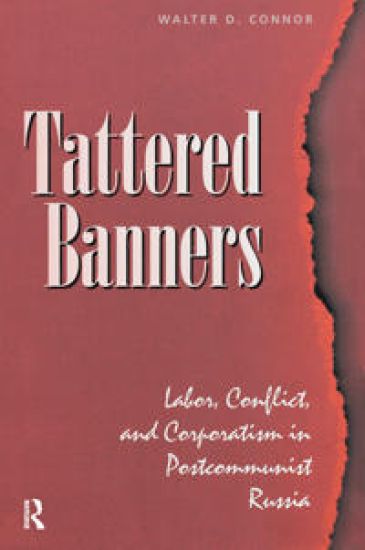
Tattered Banners

Tattered Banners

Walter Connor

Routledge
2019
sidottu
In post-Soviet Russia's transition to new political and economic systems, few issues are as important as labor. Although the ?worker's paradise? may have been largely imaginary, the loss of job security and benefits that has accompanied marketization could well become a catalyst for yet another political upheaval. In this timely book, Walter Connor
Soviet Social Problems

Soviet Social Problems

Walter Connor; David E Powell; Anthony Jones

Routledge
2019
sidottu
This book analyzes the Soviet Union's social problems, focusing on those it shares with Western industrial societies. It assesses the social concerns confronting Gorbachev, including poverty; prostitution; health, education, and family issues; and the difficulty of adapting to technological change.
Tattered Banners

Tattered Banners

Walter Connor

Westview Press Inc
1996
nidottu
In post-Soviet Russia’s transition to new political and economic systems, few issues are as important as labor. Although the “worker’s paradise” may have been largely imaginary, the loss of job security and benefits that has accompanied marketization could well become a catalyst for yet another political upheaval. In this timely book, Walter Connor explores how the Yeltsin government attempted to avoid this pitfall of system change. Connor examines Russia’s emergent labor politics in the critical first years of the post-Soviet period, focusing on the problems Yeltsin encountered in attempting to adopt a “corporatist” solution to the conflicts of interest that have arisen between labor, employers, and the state. With many employers still heavily dependent on the state, while others are already beyond state control, the corporatist effort has been sabotaged, Connor contends, by the lack of distinct interest groups found in more mature market economies. He concludes with an analysis of what these recent developments may portend for Russian politics and government in the future.