Kirjojen hintavertailu – 12 903 724 kirjaa ja 27 kauppaa
Kirjailija
Walter Enders
Kirjat ja teokset yhdessä paikassa: 4 kirjaa, julkaisuja vuosilta 1996–2014, suosituimpiin kuuluu Applied Econometric Time Series. Vertaile teosten hintoja ja tarkista saatavuus suomalaisista kirjakaupoista.
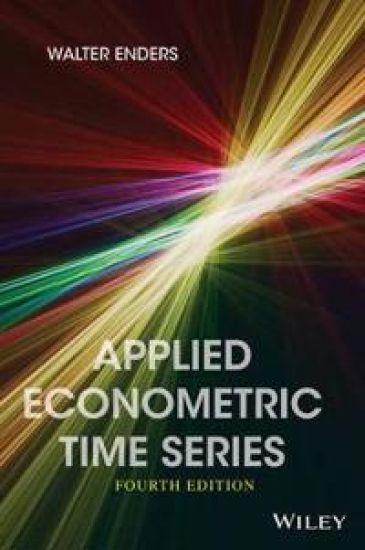
Applied Econometric Time Series, 4th Edition demonstrates modern techniques for developing models capable of forecasting, interpreting, and testing hypotheses concerning economic data. In this text, Dr. Walter Enders commits to using a “learn-by-doing” approach to help readers master time-series analysis efficiently and effectively.
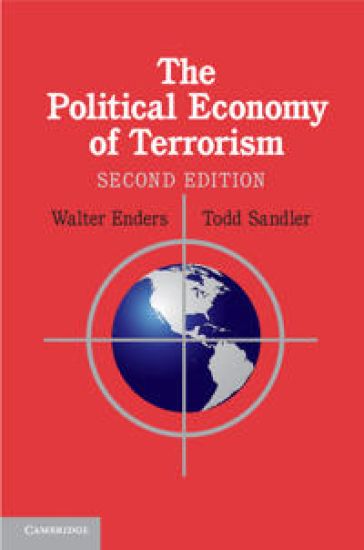
The Political Economy of Terrorism presents a widely accessible political economy approach to the study of terrorism. It applies economic methodology – theoretical and empirical – combined with political analysis and realities to the study of domestic and transnational terrorism. In so doing, the book provides both a qualitative and quantitative investigation of terrorism in a balanced up-to-date presentation that informs students, policy makers, researchers and the general reader of the current state of knowledge. Included are historical aspects, a discussion of watershed events, the rise of modern-day terrorism, examination of current trends, the dilemma of liberal democracies, evaluation of counterterrorism, analysis of hostage incidents and much more. The new edition expands coverage of every chapter, adds a new chapter on terrorist network structures and organization, accounts for changes in the Department of Homeland Security and the USA Patriot Act and insurance against terrorism. Rational-actor models of terrorist and government behavior and game-theoretic analysis are presented for readers with no prior theoretical training. Where relevant, the authors display graphs using data from International Terrorism: Attributes of Terrorist Events (ITERATE), the Global Terrorism Database (GTD), and other public-access data sets.
The Political Economy of Terrorism presents a widely accessible political economy approach to the study of terrorism. It applies economic methodology – theoretical and empirical – combined with political analysis and realities to the study of domestic and transnational terrorism. In so doing, the book provides both a qualitative and quantitative investigation of terrorism in a balanced up-to-date presentation that informs students, policy makers, researchers and the general reader of the current state of knowledge. Included are historical aspects, a discussion of watershed events, the rise of modern-day terrorism, examination of current trends, the dilemma of liberal democracies, evaluation of counterterrorism, analysis of hostage incidents and much more. The new edition expands coverage of every chapter, adds a new chapter on terrorist network structures and organization, accounts for changes in the Department of Homeland Security and the USA Patriot Act and insurance against terrorism. Rational-actor models of terrorist and government behavior and game-theoretic analysis are presented for readers with no prior theoretical training. Where relevant, the authors display graphs using data from International Terrorism: Attributes of Terrorist Events (ITERATE), the Global Terrorism Database (GTD), and other public-access data sets.