Kirjojen hintavertailu – 12 859 818 kirjaa ja 27 kauppaa

Kirjailija

Walter Pohl

Kirjat ja teokset yhdessä paikassa: 8 kirjaa, julkaisuja vuosilta 2001–2026, suosituimpiin kuuluu I Longobardi E La Storia: Un Percorso Attraverso Le Fonti. Vertaile teosten hintoja ja tarkista saatavuus suomalaisista kirjakaupoista.

8 kirjaa

Kirjojen julkaisuvuodet: 2001–2026.

The Avars

The Avars

Walter Pohl

CORNELL UNIVERSITY PRESS
2026
pokkari

Halvin toimitettuna 38,20 €

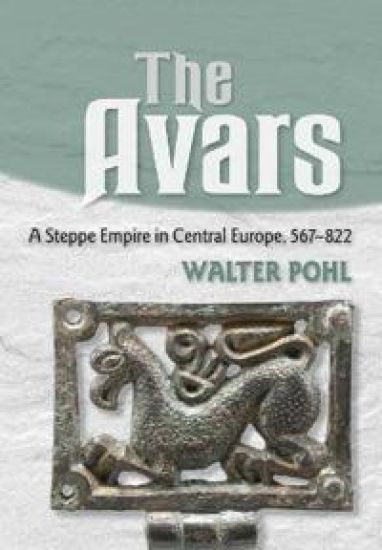
"Though the book was first published in German in 1988, this English version includes many revisions and updates and will be the definitive English-language study of the Avar empire for years to come. It will be invaluable for those interested in medieval history or in the impact of nomadic steppe empires on sedentary civilizations."—Choice The Avars arrived in Europe from the Central Asian steppes in the mid-sixth century CE and dominated much of Central and Eastern Europe for almost 250 years. Fierce warriors and canny power brokers, the Avars were more influential and durable than Attila's Huns, yet have remained hidden in history. Walter Pohl's epic narrative, translated into English for the first time, restores them to their rightful place in the story of early medieval Europe. The Avars offers a comprehensive overview of their history, tracing the Avars from the construction of their steppe empire in the center of Europe; their wars and alliances with the Byzantines, Slavs, Lombards, and others; their apex as the first so-called barbarian power to besiege Constantinople (in 626); to their fall under the Frankish armies of Charlemagne and subsequent disappearance as a distinct cultural group. Pohl uncovers the secrets of their society, synthesizing the rich archaeological record recovered from more than 60,000 graves of the period, as well as accounts of the Avars by Byzantine and other chroniclers. In recovering the story of the fascinating encounter between Eurasian nomads who established an empire in the heart of Europe and the post-Roman Christian cultures of Europe, this book provides a new perspective on the origins of medieval Europe itself.

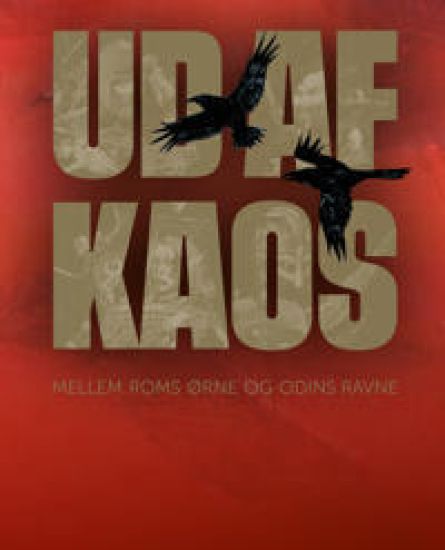
Out of chaos

Out of chaos

Walter Pohl; Zsuzsanna Hajnal; Rodica Oanta-Margihitu; Alpár Dobos; Kasper H. Andersen; Rasmus Birch Iversen; Nils Arne Pedersen; Helena Victor; Mads Kähler Holst; John Ljungkvist

-
2022
nidottu
The collapse of the Roman Empire in the 4th and 5th centuries AD plunges Europe into a crisis of unprecedented dimensions. Endless wars, bitter power struggles and wave after wave of desperate refugees devastate the continent and leave the Antique World in ruins. But when the dust settles, a new Europe is born. With great enthusiasm and passion, ten experts share their knowledge and give a compelling insight into an overlooked but absorbing chapter of European history – a time we call the Migration period. The starting point is in the eastern part of the continent, along the banks of the Danube in present-day Romania and Hungary. In the 4th and 5th centuries AD, this area is the setting for events that have given their name to the Migration period. It is here we meet the Huns, the Goths and later the Gepids: Three peoples who battle their way to power and who succeed in establishing new, transient realms and empires, while the influence of the Roman Empire crumbles and the power balance in Europe shifts dramatically. The reader is also initiated into developments in Scandinavian society at this time. New powerful realms are established here, too, under the influence of political developments further south. Out of Chaos is richly illustrated and is aimed at everyone who wants to discover more about the how the foundation stones for modern Europe were laid. The book is published in conjunction with Moesgaard Museum’s exhibition of the same name.
Ud af kaos

Ud af kaos

Walter Pohl; Zsuzsanna Hajnal; Rodica Oanta-Margihitu; Alpár Dobos; Kasper H. Andersen; Rasmus Birch Iversen; Nils Arne Pedersen; Helena Victor; Mads Kähler Holst; John Ljungkvist

-
2022
nidottu
Romerrigets kollaps i 300- og 400-tallet kaster Europa ud i en krise af hidtil uset omfang. Endeløse krige, bitre magtkampe og strømme af desperate flygtninge hærger kontinentet og styrter antikkens verden i grus. Da støvet har lagt sig, er et nyt Europa født. Med ildhu og fortælleglæde kaster ti forskere lys over et overset, men ikke desto mindre fascinerende kapitel i Europas historie – en periode, vi kalder for folkevandringstiden. Ud af kaos begynder i den østlige del af kontinentet langs Donaus bredder i nutidens Rumænien og Ungarn. Området er skueplads for en række begivenheder, der har givet navn til perioden. Det er her vi møder hunnerne, goterne og senere gepiderne – tre folkeslag, der tilkæmper sig magt og lykkes med at danne nye, flygtige riger og imperier, mens Romerrigets indflydelse smuldrer. Bogen giver også læseren et indblik i samfundsudviklingen i Skandinavien, for også her opstod der nye stærke kongedømmer under påvirkning af den politiske udvikling længere sydpå. Ud af kaos er rigt illustreret og henvender sig til alle, der ønsker at blive klogere på, hvordan grundstenene til det Europa, vi kender i dag, blev lagt. Bogen er udgivet i forbindelse med Moesgaard Museums særudstilling af samme navn.
The Avars

The Avars

Walter Pohl

Cornell University Press
2018
sidottu
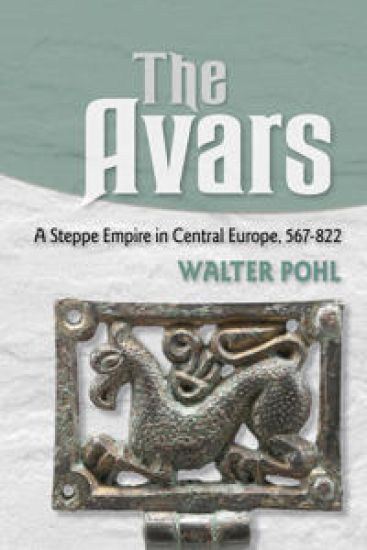
"Though the book was first published in German in 1988, this English version includes many revisions and updates and will be the definitive English-language study of the Avar empire for years to come. It will be invaluable for those interested in medieval history or in the impact of nomadic steppe empires on sedentary civilizations."—Choice The Avars arrived in Europe from the Central Asian steppes in the mid-sixth century CE and dominated much of Central and Eastern Europe for almost 250 years. Fierce warriors and canny power brokers, the Avars were more influential and durable than Attila's Huns, yet have remained hidden in history. Walter Pohl's epic narrative, translated into English for the first time, restores them to their rightful place in the story of early medieval Europe. The Avars offers a comprehensive overview of their history, tracing the Avars from the construction of their steppe empire in the center of Europe; their wars and alliances with the Byzantines, Slavs, Lombards, and others; their apex as the first so-called barbarian power to besiege Constantinople (in 626); to their fall under the Frankish armies of Charlemagne and subsequent disappearance as a distinct cultural group. Pohl uncovers the secrets of their society, synthesizing the rich archaeological record recovered from more than 60,000 graves of the period, as well as accounts of the Avars by Byzantine and other chroniclers. In recovering the story of the fascinating encounter between Eurasian nomads who established an empire in the heart of Europe and the post-Roman Christian cultures of Europe, this book provides a new perspective on the origins of medieval Europe itself.

I Longobardi E La Storia: Un Percorso Attraverso Le Fonti

I Longobardi E La Storia: Un Percorso Attraverso Le Fonti

Francesco Lo Monaco; Walter Pohl; Francesco Mores

Viella
2012
nidottu
Compiere Un percorso attraverso le fonti per la storia dei Longobardi significa esplorare i modi con i quali la storia dei Longobardi e stata costruita. Il volume procede in ordine cronologico, dal piu antico autore di storie sopra i Longobardi (Procopio di Cesarea) fino al piu recente (Paolo Diacono), tentando di offrire uno strumento che consenta di osservare quanto si muove dietro il palcoscenico. Non Fonti per la storia dei Longobardi, ne Storia dei Longobardi, ma, semplicemente, I Longobardi e la storia.
Die Germanen

Die Germanen

Walter Pohl

Walter de Gruyter
2004
pokkari
Der Band beschreibt Geschichte und Kultur des Gebietes, das die R mer Germania nannten, vom 1. Jh. v. Chr. bis zum 6. Jh. n. Chr. Ein Volk, das sich selbst Germanen nannte und von Sprache und Kultur zusammengehalten wurde, hat es wohl gar nicht gegeben. Nachweisbar ist eine Vielfalt von V lkern im Werden . Aus dem Raum "Germania" wuchsen sie in mehrfachen Br chen und Neuans tzen in die ver nderte ethnische Geographie des mittelalterlichen Europa hinein.