Kirjojen hintavertailu – 12 859 818 kirjaa ja 27 kauppaa
Kirjailija
Walter Scott
Kirjat ja teokset yhdessä paikassa: 2 841 kirjaa, julkaisuja vuosilta 1922–2026, suosituimpiin kuuluu Harold l'Indomptable. Vertaile teosten hintoja ja tarkista saatavuus suomalaisista kirjakaupoista.
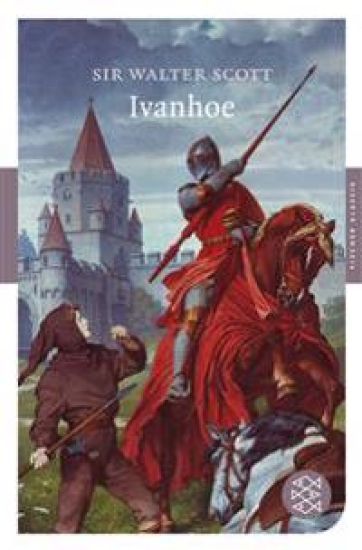
Der edle Ritter Ivanhoe, Robin Hood, Rächer der Enterbten - sie beflügeln seit jeher die Traumfabrik Hollywood. Lanzen brechen an prunkvollen Schilden: Es gilt, für die Königin der Schönheit und der Liebe das Turnier zu gewinnen. Doch Lady Rowena wird entführt. Die Edelleuten brauchen die Geächteten, um die Lady aus der Burg des Feindes zu befreien. Walter Scott hat diesen Bildern so nachdrücklich seinen Stempel aufgedrückt, dass sich alle an seinem Vorbild orientieren. >Ivanhoe< ist einer der größten Romane über ritterlichen Edelmut - und die besten Tricks, den Reichen das Geld aus der Tasche zu ziehen. Mit Daten zu Leben und Werk, exklusiv verfasst von der Redaktion der Zeitschrift für Literatur TEXT + KRITIK, und dem Werkbeitrag aus der dritten, völlig neu bearbeiteten Auflage von Kindlers Literatur Lexikon.
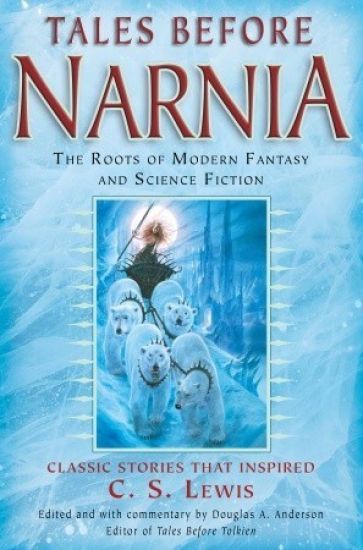
In his acclaimed collection Tales Before Tolkien, Douglas A. Anderson illuminated the sources, inspirations, and influences that fired J. R. R. Tolkien's genius. Now Anderson turns his attention to Tolkien's colleague and friend C. S. Lewis, whose influence on modern fantasy, through his beloved Narnia books, is second only to Tolkien's own. In many ways, Lewis's influence has been even wider than Tolkien's. For in addition to the Narnia series, Lewis wrote groundbreaking works of science fiction, urban fantasy, and religious allegory, and he came to be regarded as among the most important Christian writers of the twentieth century. It will come as no surprise, then, that such a wide-ranging talent drew inspiration from a variety of sources. Here are twenty of the tributaries that fed Lewis's unique talent, among them: "The Wood That Time Forgot: The Enchanted Wood," taken from a never-before-published fantasy by Lewis's biographer and friend, Roger Lancelyn Green, that directly inspired The Lion, the Witch, and the Wardrobe; E. Nesbit's charming "The Aunt and Amabel," in which a young girl enters another world by means of a wardrobe; "The Snow Queen," by Hans Christian Andersen, featuring the abduction of a young boy by a woman as cruel as she is beautiful; and many more, including works by Charles Dickens, Kenneth Grahame, G. K. Chesterton, and George MacDonald, of whom Lewis would write, "I have never concealed the fact that I regarded him as my master." Full of fascinating insights into Lewis's life and fiction, Tales Before Narnia is the kind of book that will be treasured by children and adults alike and passed down lovingly from generation to generation. INCLUDING SEVENTEEN MORE WORKS BY THE PROGENITORS OF MODERN FANTASY AND SCIENCE FICTION: "Tegn r's Drapa" by Henry Wadsworth Longfellow "The Magic Mirror" by George MacDonald "Undine" by Friedrich de la Motte Fouqu "Letters from Hell: Letter III" by Valdemar Thisted "Fastosus and Avaro" by John Macgowan "The Tapestried Chamber; or, The Lady in the Sacque" by Sir Walter Scott "The Story of the Goblins Who Stole a Sexton" by Charles Dickens "The Child and the Giant" by Owen Barfield "A King's Lesson" by William Morris "The Waif Woman: A Cue--From a Saga" by Robert Louis Stevenson "First Whisper of The Wind in the Willows" by Kenneth Grahame "The Wish House" by Rudyard Kipling "Et in Sempiternum Pereant" by Charles Williams "The Dragon's Visit" by J. R. R. Tolkien "The Coloured Lands" by G. K. Chesterton "The Man Who Lived Backwards" by Charles F. Hall "The Dream Dust Factory" by William Lindsay Gresham
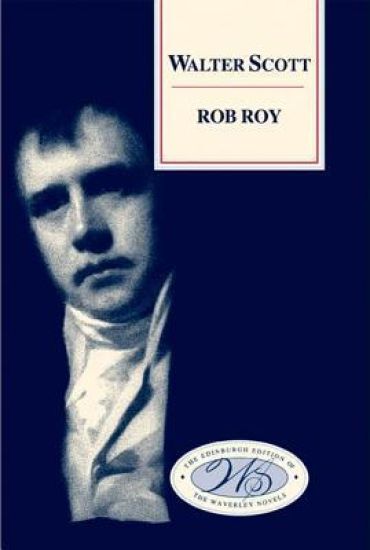
Rob Roy is set in 1715, but it is less concerned with the Jacobite Rising than with the economic and political conditions which brought it about, and the remarkable entrepreneurial spirit of the new Hanoverian capitalists which resisted it. It celebrates the freebooting daring of the hero's father in the City of London and the robust balancing of generosity and selfish calculation which is required in successful enterprise, and which motivates one of Scott's most lively creations, the Glasgow merchant Baillie Nicol Jarvie. Rob Roy is nominally a retrospective autobiography written by Frank Osbaldistone and is suffused with a sense of loss both personal and cultural. The personal is the loss of his wife Diana; the cultural is epitomised in Rob Roy who is the hunted victim of a society richer and more powerful than his own. The text is based upon the first edition, corrected with readings from the manuscript, and is supported by comprehensive historical and explanatory annotation.
Edward Waverley is a young, cultured man whose sensibilities lead to his involvement in the Jacobite Rising of 1745. In his journey into Scotland, down to Derby, and back up again, he explores the cultural and political geography of Great Britain. Waverley; or, 'tis Sixty Years Since was Scott's first novel, but like its final chapter, 'A Postscript, which should have been a Preface', it appears as one of the last in this series, so that the full weight of experience gained from editing Scott's fiction can be brought to understanding his most influential novel, the one which gave its name to the Waverley Novels. To this edition, P. D. Garside brings new insights and new information, and he establishes a text which is significantly different from its predecessors.
'Here is a plot without a drop of blood; and all the elements of a romance, without its conclusion', comments the King towards the end of Scott's longest, and arguably most intriguing, novel. Set against the backdrop of the Popish Plot to overturn Charles II, Peveril of the Peak explores the on-going tensions between Cavalier and Puritan loyalties during the fraught years of Restoration England. Ranging from Derbyshire to the Isle of Man and culminating in London it is a novel which interweaves political intrigue, personal responsibilities and the ways in which the forces of history are played out in the struggles of individual human lives. But its true subject is perhaps the role of narration and the limits of storytelling itself. In this, the first scholarly edition of Peveril, Alison Lumsden recovers a lost novel.