Kirjojen hintavertailu – 12 903 724 kirjaa ja 27 kauppaa

Kirjailija

Wang Ning

Kirjat ja teokset yhdessä paikassa: 6 kirjaa, julkaisuja vuosilta 2021–2026, suosituimpiin kuuluu Advanced Teleoperation and Robot Learning for Dexterous Manipulation. Vertaile teosten hintoja ja tarkista saatavuus suomalaisista kirjakaupoista.

6 kirjaa

Kirjojen julkaisuvuodet: 2021–2026.

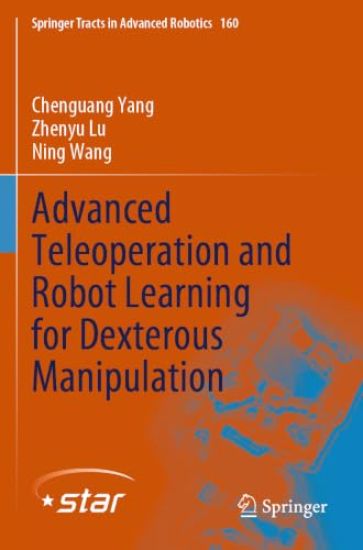
Advanced Teleoperation and Robot Learning for Dexterous Manipulation

Advanced Teleoperation and Robot Learning for Dexterous Manipulation

Yang Chenguang; Zhenyu Lu; Wang Ning

Springer International Publishing AG
2026
Nidottu
This book offers an in-depth exploration of the interdisciplinary field of dexterous robotic manipulation, focusing on advanced methods that enable robots to autonomously learn, adapt, and perform a variety of tasks. It covers key topics such as teleoperation systems, advanced control frameworks, and bio-inspired autonomous learning. The book stands out by providing a comprehensive examination of both the technical and theoretical aspects of dexterous manipulation, with a particular emphasis on integrating advanced control and autonomous learning. The book is primarily aimed at researchers, engineers, and graduate students in the fields of robotics, artificial intelligence, and control systems. It is particularly useful for those interested in robotic manipulation, autonomous learning, and bio-inspired systems. The detailed technical explanations and cutting-edge research make it an essential resource for professionals seeking to push the boundaries of robotic dexterous manipulation. The book’s practical applications make it relevant for many real-world manipulation scenarios, including healthcare and manufacturing.
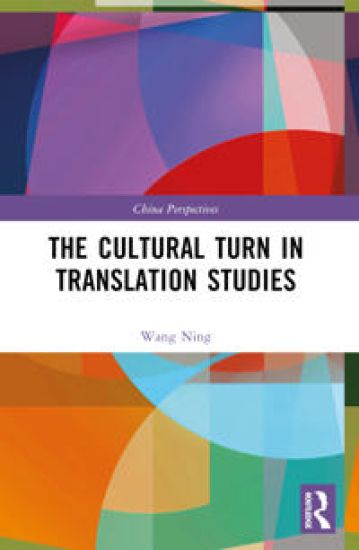
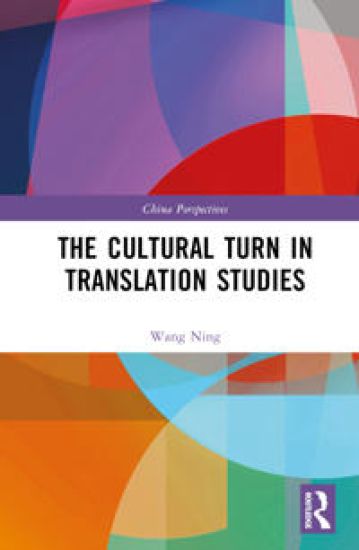
The Cultural Turn in Translation Studies

The Cultural Turn in Translation Studies

Wang Ning

TAYLOR FRANCIS LTD
2025
nidottu
Applying the latest Western translation theories to the situation in China, this book redefines translation from an interdisciplinary and intercultural perspective, bringing intercultural semiotic translation into the sight of translation researchers. This book systematically expounds on the cultural turn in translation studies and contributes to the escape of translation studies from the "cage of language". It focuses on discussing the deconstructive, postmodernist, and cultural translation theories that have motivated and promoted the cultural turn, especially Benjamin’s translation theory, Derrida’s deconstructive view of translation, and postcolonial translation theory. It also discusses in detail the theories of major international translation theorists, including Hillis Miller, Wolfgang Iser, Edward Said, Gayatri Spivak, Homi Bhabha, André Lefevere, Susan Bassnett, and Lawrence Venuti. These theories are mostly based on examples from Western or English-language texts, leaving a wide gap in the discourse of the field. This book seeks to fill that gap. For example, intercultural semiotic translation is defined and explained through the successful experiences of the Chinese translator Fu Lei. The role of translation during the Chinese revolution and the relocation of Chinese culture in the global cultural landscape through translation are also discussed. This book will be an essential read to students and scholars of translation studies and Chinese studies. It will also be a useful resource for translators and researchers of comparative literature and cultural studies.
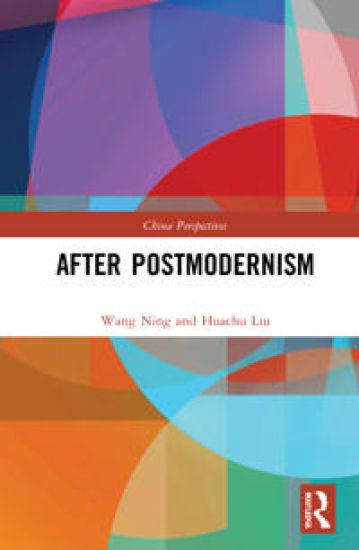
After Postmodernism

After Postmodernism

Wang Ning

TAYLOR FRANCIS LTD
2024
nidottu
This book engages with the critical decline of postmodernism and newer currents of thinking that have come to the fore, including postcolonialism, feminism, and cultural studies, constituting an exploration of the cultural landscape after the heyday of postmodernism in the West and its profound influence on the Chinese cultural scene. Topics discussed include the prevalent theoretical trends and cultural phenomena in the West in the wake of postmodernism, how these developments have influenced contemporary Chinese literary and cultural criticism, and how Chinese scholars can have an equal dialogue with the dominant Western theorists. The chapters examine critical issues and figures in the fields, including postmodernity and globalization, as well as the theories of Edward Said, Gayatri Spivak, Homi Bhabha, and Judith Butler. Taking a comparative and cross-cultural perspective, especially between China and the West, the title also sheds light on the imprint of Western theoretical trends on the literature and culture of contemporary China, exemplified in diasporic writing, cinema, women’s literature, popular culture, and the overall orientation of contemporary Chinese literature. The book will be a critical reference for all levels of reader interested in postmodernism, critical theory, postcolonialism, feminism, cultural studies, comparative and world literature, and contemporary Chinese literature and culture.
The Cultural Turn in Translation Studies

The Cultural Turn in Translation Studies

Wang Ning

TAYLOR FRANCIS LTD
2023
sidottu
Applying the latest Western translation theories to the situation in China, this book redefines translation from an interdisciplinary and intercultural perspective, bringing intercultural semiotic translation into the sight of translation researchers. This book systematically expounds on the cultural turn in translation studies and contributes to the escape of translation studies from the "cage of language". It focuses on discussing the deconstructive, postmodernist, and cultural translation theories that have motivated and promoted the cultural turn, especially Benjamin’s translation theory, Derrida’s deconstructive view of translation, and postcolonial translation theory. It also discusses in detail the theories of major international translation theorists, including Hillis Miller, Wolfgang Iser, Edward Said, Gayatri Spivak, Homi Bhabha, André Lefevere, Susan Bassnett, and Lawrence Venuti. These theories are mostly based on examples from Western or English-language texts, leaving a wide gap in the discourse of the field. This book seeks to fill that gap. For example, intercultural semiotic translation is defined and explained through the successful experiences of the Chinese translator Fu Lei. The role of translation during the Chinese revolution and the relocation of Chinese culture in the global cultural landscape through translation are also discussed. This book will be an essential read to students and scholars of translation studies and Chinese studies. It will also be a useful resource for translators and researchers of comparative literature and cultural studies.
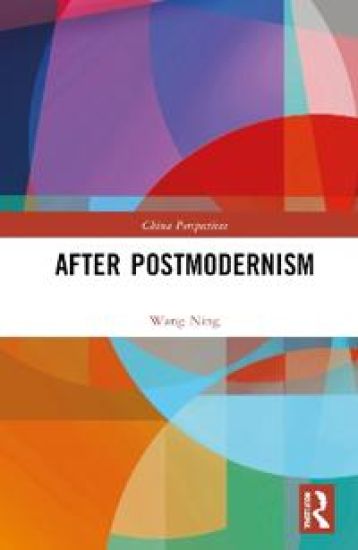
After Postmodernism

After Postmodernism

Wang Ning

TAYLOR FRANCIS LTD
2022
sidottu
This book engages with the critical decline of postmodernism and newer currents of thinking that have come to the fore, including postcolonialism, feminism, and cultural studies, constituting an exploration of the cultural landscape after the heyday of postmodernism in the West and its profound influence on the Chinese cultural scene. Topics discussed include the prevalent theoretical trends and cultural phenomena in the West in the wake of postmodernism, how these developments have influenced contemporary Chinese literary and cultural criticism, and how Chinese scholars can have an equal dialogue with the dominant Western theorists. The chapters examine critical issues and figures in the fields, including postmodernity and globalization, as well as the theories of Edward Said, Gayatri Spivak, Homi Bhabha, and Judith Butler. Taking a comparative and cross-cultural perspective, especially between China and the West, the title also sheds light on the imprint of Western theoretical trends on the literature and culture of contemporary China, exemplified in diasporic writing, cinema, women’s literature, popular culture, and the overall orientation of contemporary Chinese literature. The book will be a critical reference for all levels of reader interested in postmodernism, critical theory, postcolonialism, feminism, cultural studies, comparative and world literature, and contemporary Chinese literature and culture.
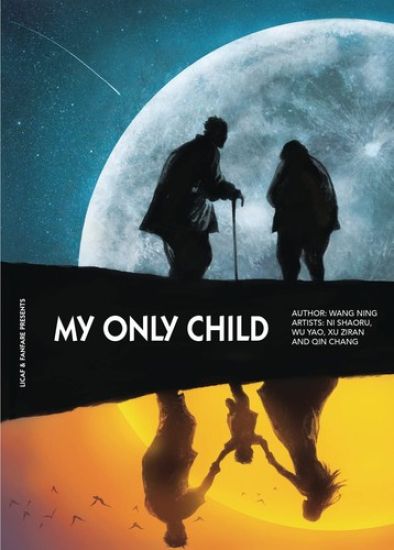
My Only Child

My Only Child

Wang Ning

Fanfare Presents
2021
sidottu
ONE-CHILD POLICY. It is estimated that there are over 218 million only children in China today following more than three decades of a one-child policy by their government. Under the ruling, which ran from 1980 to the end of 2015, most couples were only allowed one child under penalty of fines, forfeiture, and even sterilization. Government figures state that around 400 million births were prevented in that time. But some unforeseen circumstances caused much heartache and grief for upwards of 10 million couples who lost that only child and this book tells four of their tragic stories. The couple whose only boy child was seemingly abducted for resale; the 27-year-old only child who died of cancer, leaving her parents alone and childless; the old man who adopted a little girl some years after losing his only child; a mother who sells up everything to give her dying daughter the best years she can. Sensitively written by Wang Ning from all-too-common real life situations, some of them first-hand, and beautifully illustrated by four of the best individual talents in Chinese comics today who have all been touched by this policy.