

Kirjailija
Wang Yuan
Kirjat ja teokset yhdessä paikassa: 3 kirjaa, julkaisuja vuosilta 2014–2021, suosituimpiin kuuluu Beijing Women. Vertaile teosten hintoja ja tarkista saatavuus suomalaisista kirjakaupoista.
3 kirjaa
Kirjojen julkaisuvuodet: 2014–2021.
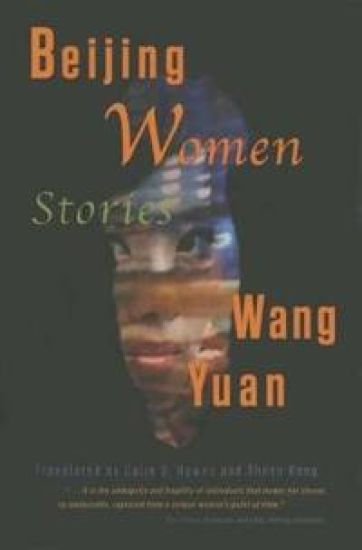
Beijing Women presents four short stories: “Lipstick”, “Qipao”, “Ginger”, and “Beijing Women”—stories about how contemporary Chinese women must learn to survive in China’s new market economy, and their inner struggles in a society full of moral ambiguity. These women come to Beijing to “advance themselves” or leave Beijing for the coastal economic zone of Hainan to explore new opportunities. They make their living in various ways: working as PR girls (a common euphemism for hostesses or escorts), as popular singers, waitresses, or private business owners—all professions that women in Maoist times had seldom heard about, but have had to adapt to in today’s consumer society. At a deeper level, these stories are about much more than just women’s lives and careers. Beijing here is a synecdoche for China, whose march toward capitalism at breakneck speed has changed peoples’ relationships profoundly. Stress, suspicion, anxiety, and exploitation make interpersonal communication and compassion difficult, and the constant competition for material gain tears apart the fabric of a society which, despite its faults, was at least rooted in traditional ethics and socialist idealism. This social and moral crisis is poignantly reflected in these stories.
Beijing Women presents four short stories: “Lipstick”, “Qipao”, “Ginger”, and “Beijing Women”—stories about how contemporary Chinese women must learn to survive in China’s new market economy, and their inner struggles in a society full of moral ambiguity. These women come to Beijing to “advance themselves” or leave Beijing for the coastal economic zone of Hainan to explore new opportunities. They make their living in various ways: working as PR girls (a common euphemism for hostesses or escorts), as popular singers, waitresses, or private business owners—all professions that women in Maoist times had seldom heard about, but have had to adapt to in today’s consumer society. At a deeper level, these stories are about much more than just women’s lives and careers. Beijing here is a synecdoche for China, whose march toward capitalism at breakneck speed has changed peoples’ relationships profoundly. Stress, suspicion, anxiety, and exploitation make interpersonal communication and compassion difficult, and the constant competition for material gain tears apart the fabric of a society which, despite its faults, was at least rooted in traditional ethics and socialist idealism. This social and moral crisis is poignantly reflected in these stories.