Kirjojen hintavertailu – 12 903 725 kirjaa ja 27 kauppaa

Kirjailija

Warwick Gould

Kirjat ja teokset yhdessä paikassa: 5 kirjaa, julkaisuja vuosilta 1991–2020, suosituimpiin kuuluu Joachim of Fiore and the Myth of the Eternal Evangel in the Nineteenth and Twentieth Centuries. Vertaile teosten hintoja ja tarkista saatavuus suomalaisista kirjakaupoista.

5 kirjaa

Kirjojen julkaisuvuodet: 1991–2020.

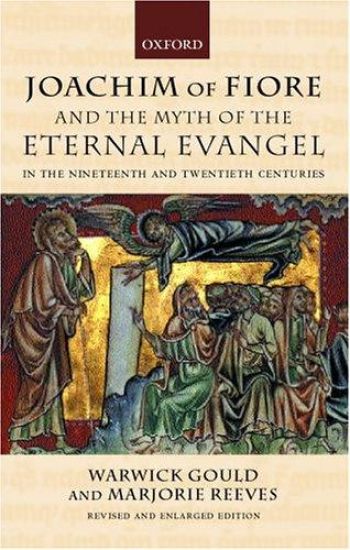
Joachim of Fiore and the Myth of the Eternal Evangel in the Nineteenth and Twentieth Centuries
In the twelfth century Joachim of Fiore (c.1132-1202) developed a powerful and original theology of history. In the twentieth century, particularly after the Second World War, much interest was focused on the influence of his ideas, with the result that large and sometimes exaggerated claims were made for his impact on nineteenth- and twentieth-century thought. The first version of this book (Clarendon Press, 1987) sought to distinguish between the precise, documented evidence of Joachim's influence in the modern period and the vaguer assertions which had appeared in histories of ideas. A surprising, and until now virtually unchronicled, story emerged. French romantic visionaries, English literary writers, fin de siecle figures dabbling in the occult, a Czech poet involved in resurgent nationalism - all, to a greater or lesser degree, had taken this medieval abbot as a prophet of the `new religion of humanity' which they had sought. The `Eternal Evangel' (the radical form of Joachim's doctrine) was evidently a symbol of the `new spirit' of the future for such figures as Michelet, Quinet, Leroux, Sand, Mazzini, Renan, Matthew Arnold, George Eliot, Pater, Huysmans, W. B. Yeats, and Vrchlicky. In this process, of course, the genuine thought of the medieval biblical exegete was largely lost, but the myth became a powerful inspiration. This radically revised study has been augmented with further prophetic voices and symbols from the past. Extended by more than 100 pages, it not only confirms the deep structures of visions of the future, but demonstrates and questions the persistence of Joachimist themes in the twentieth-century fin de siecle.
Gioacchino Da Fiore E Il Mito Dell'evangelo Eterno Nella Cultura Europea

Gioacchino Da Fiore E Il Mito Dell'evangelo Eterno Nella Cultura Europea

Marjorie Reeves; Warwick Gould; Fulvio de Giorgi

Viella
2000
nidottu
A Gioacchino da Fiore, fin dagli anni immediatamente successivi alla morte (1202), vennero attribuiti testi di predizioni e di previsioni che spesso avevano assai poco riscontro con le teorie elaborate negli scritti autentici. Ben presto venne fatta circolare, con l'autorita del suo nome, anche l'idea che fosse stata elaborata una dottrina dell'Evangelo eterno, destinato a soppiantare interamente le Sacre Scritture e il messaggio evangelico. A partire dagli inizi dell'Ottocento, nel contesto della prepotente riscoperta delle radici medievali della cultura europea, a questo indeterminato gioachimismo vennero ricondotte una serie di speculazioni esoteriche di varia natura. Visionari francesi di epoca romantica, quali Leroux e Sand, letterati inglesi, come Wilde, intellettuali della fin de siecle interessati all'occultismo, come Yeats, e poeti impegnati nei nascenti nazionalismi, in particolare nell'Europa orientale, come Vrchlicky, videro in Gioacchino da Fiore una profeta della nuova religione dell'umanita e un simbolo dello spirito dei nuovi tempi. In questi ambienti il mito della dottrina dell'Evangelo eterno, attribuito all'abate calabrese, travisato e manipolato, divenne una potente forza di ispirazione ideale. Il saggio introduttivo di Fulvio De Giorgi contribuisce a gettare ulteriore luce sull'immagine di Gioacchino da Fiore nella cultura italiana del secolo XIX.
Yeats Annual No. 8

Yeats Annual No. 8

Warwick Gould

Palgrave Macmillan
1991
sidottu
Yeats Annual No.8 has two distinct themes: Yeats's poetic technique and his aims for an Irish Theatre. Essays from Helen Vendler, Richard Taylor, Timothy Armstrong and Wayne Chapman place the poetry under close scrutiny and offer challenging new studies. Yeats himself writes the remaining essays, including the long-awaited first publication of his Wildean dialogue and an uncollected address on the Irish National Theatre delivered in 1934. Richard Londraville edits four of Yeats's lectures given in England and America in 1902-4.