Kirjojen hintavertailu – 12 859 828 kirjaa ja 27 kauppaa

Kirjailija

Wayne E. Wright

Kirjat ja teokset yhdessä paikassa: 11 kirjaa, julkaisuja vuosilta 2015–2026, suosituimpiin kuuluu English Learner Literacy in Elementary Schools. Vertaile teosten hintoja ja tarkista saatavuus suomalaisista kirjakaupoista.

11 kirjaa

Kirjojen julkaisuvuodet: 2015–2026.

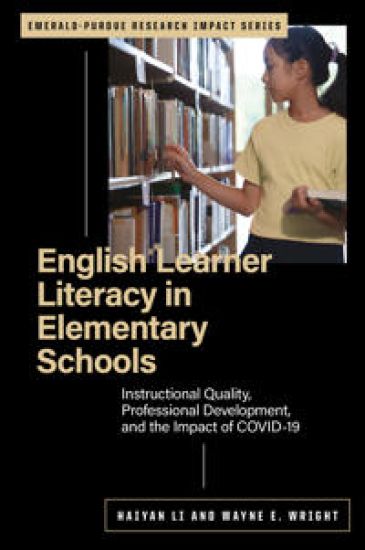
English Learner Literacy in Elementary Schools

English Learner Literacy in Elementary Schools

Haiyan Li; Wayne E. Wright

Emerald Publishing Limited
2026
nidottu
As the United States’ English Language Learner (ELL) population grows, so does the need to understand how literacy instruction truly unfolds in classrooms, especially in under-resourced and rapidly changing communities. This timely publication presents findings from three interconnected studies that explore instructional quality, professional development, and the impact of COVID-19 on ELL education across rural and urban districts in Indiana. Drawing on over 150 hours of classroom video and grounded in social constructivism, translanguaging pedagogy and Purdue English Language Development (ELD) Framework, the research offers rare, granular insights into what works, and what doesn’t, for ELLs in elementary settings. From quantifying literacy practices to evaluating year-long professional development programs and analyzing pandemic-era adaptations, this book delivers actionable strategies for educators, researchers, and policymakers. With a focus on Indiana as a lens into national challenges, English Learner Literacy in Elementary Schools showcases new methods and frameworks for equitable, culturally responsive instruction. Whether in times of stability or crisis, it equips readers with the tools to support ELLs more effectively, wherever they teach.

English Learner Literacy in Elementary Schools

English Learner Literacy in Elementary Schools

Haiyan Li; Wayne E. Wright

Emerald Publishing Limited
2026
sidottu
As the United States’ English Language Learner (ELL) population grows, so does the need to understand how literacy instruction truly unfolds in classrooms, especially in under-resourced and rapidly changing communities. This timely publication presents findings from three interconnected studies that explore instructional quality, professional development, and the impact of COVID-19 on ELL education across rural and urban districts in Indiana. Drawing on over 150 hours of classroom video and grounded in social constructivism, translanguaging pedagogy and Purdue English Language Development (ELD) Framework, the research offers rare, granular insights into what works, and what doesn’t, for ELLs in elementary settings. From quantifying literacy practices to evaluating year-long professional development programs and analyzing pandemic-era adaptations, this book delivers actionable strategies for educators, researchers, and policymakers. With a focus on Indiana as a lens into national challenges, English Learner Literacy in Elementary Schools showcases new methods and frameworks for equitable, culturally responsive instruction. Whether in times of stability or crisis, it equips readers with the tools to support ELLs more effectively, wherever they teach.
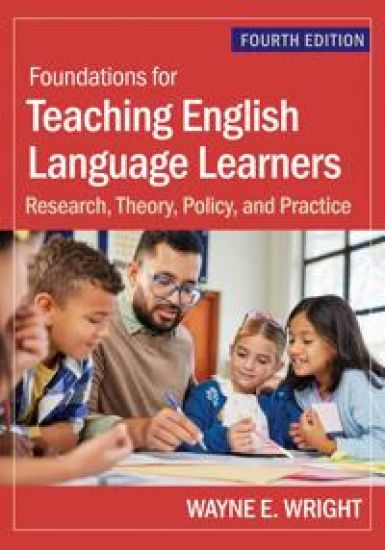
Foundations for Teaching English Language Learners

Foundations for Teaching English Language Learners

Wayne E. Wright

BROOKES PUBLISHING CO
2025
nidottu
Prepare the next generation of educators to effectively teach multilingual students classified as English language learners (ELLs) with this comprehensive fourth edition of a cornerstone text. Written by one of today's leading authors and researchers on ELL and bilingual education, this is the authoritative textbook for getting K-12 teachers and administrators ready to meet state competency requirements and help their multilingual students thrive. Designed for foundations courses in both undergraduate and graduate programs, this core text has been fully updated with the latest research, theory, policies, key topics, and recommended practices. Future educators will learn how to integrate ELL-classified students into their classes, use students' home languages as resources for learning, plan rigorous standards-aligned language and literacy instruction, make research-based decisions, differentiate core content-area instruction, and make effective use of new technologies. Ideal for use as a textbook and a key professional reference, this book will help educators create linguistically and culturally responsive classrooms and schools that set ELL-classified students up for success. WHAT'S NEW: The latest statistical data, policy changes, demographics, and research on the education of multilingual learnersExpanded coverage of critical topics: translanguaging, assessment growth models, dual language bilingual education, newcomer programs, and technology in the classroomUpdates to align with the most recent WIDA English Language Development Standards Framework, the Seal of Biliteracy, and the latest federal and state language and education policies for ELL-classified studentsTimely new sections on the impacts of COVID-19, gifted and talented education for ELL-classified students, foundational skills for reading, writing tools, and artificial intelligence (AI) for teaching, learning, and assessmentMore explicit links between recommended literacy strategies and foundational literacy skillsSTUDENT-FRIENDLY FEATURES: Pre-service educators will get guiding questions, key terms, vignettes, sample student work, activities, discussion questions, recommended readings, a glossary, and access to the Companion Website. COMPANION WEBSITE: This book's unique, extensive companion website enhances higher-education learning and gives professors and students innovative ways to interact and collaborate. Students will benefit from a discussion board, research activities, forms and templates, links to additional resources, and review questions. Professors will get access to a Resource Room with helpful tools for organizing and teaching their classes and commenting on student discussions and activities.
Foundations of Bilingual Education and Bilingualism

Foundations of Bilingual Education and Bilingualism

Wayne E. Wright; Colin Baker

CHANNEL VIEW PUBLICATIONS LTD
2025
nidottu

Halvin toimitettuna 42,80 €

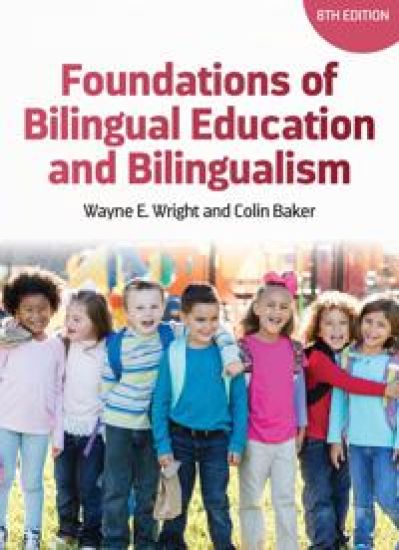
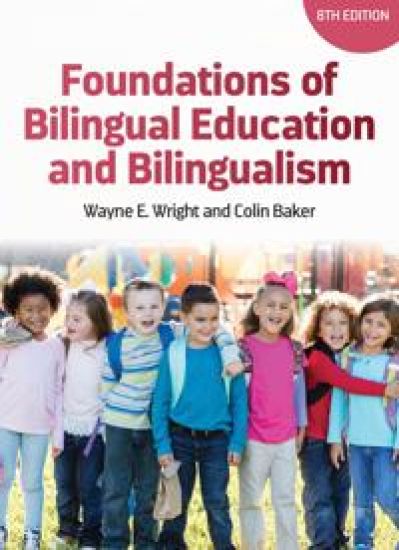
The eighth edition of this bestselling textbook has been revised and updated to provide a comprehensive and accessible introduction to bilingualism and bilingual education in an everchanging world. Written in a compact and clear style, the book covers all the crucial issues in bilingualism and multilingualism at individual, group and societal levels. Updates to the new edition include: Updated chapters with over 500 new citations and the latest demographic and statistical information. An expanded Chapter 16 on Deaf-Signing People, Bilingualism/Multilingualism and Bilingual Education, to give readers a thorough grounding in the history of Deaf bilingual education, and in the latest research. Several new, or more thoroughly covered, topics including: national, local, family and individual language policy; dynamic bilingualism; multimodal communication; translanguaging and translanguaging pedagogy; raciolinguistics and anti-racist education; language revival and revitalization; translanguaging among Deaf-signing students; the hybrid, constructed, complex and fluid nature of identity; the gentrification of bilingual education; bilingualism and economic inequalities and advantages; mobile apps and social media; technology-enhanced language proficiency assessments; artificial intelligence (AI); recent developments in and limitations of brain imaging research; and multilingualism on the internet and in information technology. Important policy developments in the US context are covered, including the Every Student Succeeds Act (ESSA), the Seal of Biliteracy, the Science of Reading (structured literacy), response to intervention, and state consortia for shared English language proficiency standards and assessments (WIDA, ELPA21), and for alternative assessments for disabled students (Dynamic Learning Maps), the US Census, Proposition 58 (California), the LOOK Act (Massachusetts), Arizona Senate Bill 1014 and the Native American Languages Preservation Act. Attention has also been given to expanded discussion of the Common European Framework of Reference for Languages and its use across Europe and around the world. Efforts have also been made to update and diversify the global examples of research, policy and practice, with a particular focus on adding examples outside of Europe and North America. Students and Instructors will benefit from chapter features including: New bolded key terms corresponding to a comprehensive glossary. Recommended readings and online resources. Discussion questions and study activities.
Foundations of Bilingual Education and Bilingualism

Foundations of Bilingual Education and Bilingualism

Wayne E. Wright; Colin Baker

CHANNEL VIEW PUBLICATIONS LTD
2025
sidottu
The eighth edition of this bestselling textbook has been revised and updated to provide a comprehensive and accessible introduction to bilingualism and bilingual education in an everchanging world. Written in a compact and clear style, the book covers all the crucial issues in bilingualism and multilingualism at individual, group and societal levels. Updates to the new edition include: Updated chapters with over 500 new citations and the latest demographic and statistical information. An expanded Chapter 16 on Deaf-Signing People, Bilingualism/Multilingualism and Bilingual Education, to give readers a thorough grounding in the history of Deaf bilingual education, and in the latest research. Several new, or more thoroughly covered, topics including: national, local, family and individual language policy; dynamic bilingualism; multimodal communication; translanguaging and translanguaging pedagogy; raciolinguistics and anti-racist education; language revival and revitalization; translanguaging among Deaf-signing students; the hybrid, constructed, complex and fluid nature of identity; the gentrification of bilingual education; bilingualism and economic inequalities and advantages; mobile apps and social media; technology-enhanced language proficiency assessments; artificial intelligence (AI); recent developments in and limitations of brain imaging research; and multilingualism on the internet and in information technology. Important policy developments in the US context are covered, including the Every Student Succeeds Act (ESSA), the Seal of Biliteracy, the Science of Reading (structured literacy), response to intervention, and state consortia for shared English language proficiency standards and assessments (WIDA, ELPA21), and for alternative assessments for disabled students (Dynamic Learning Maps), the US Census, Proposition 58 (California), the LOOK Act (Massachusetts), Arizona Senate Bill 1014 and the Native American Languages Preservation Act. Attention has also been given to expanded discussion of the Common European Framework of Reference for Languages and its use across Europe and around the world. Efforts have also been made to update and diversify the global examples of research, policy and practice, with a particular focus on adding examples outside of Europe and North America. Students and Instructors will benefit from chapter features including: New bolded key terms corresponding to a comprehensive glossary. Recommended readings and online resources. Discussion questions and study activities.
Engaging Diverse Learners in the Mathematics Classroom

Engaging Diverse Learners in the Mathematics Classroom

Holly Hansen-Thomas; Juliet Langman; Wayne E. Wright

BROOKES PUBLISHING CO
2022
nidottu
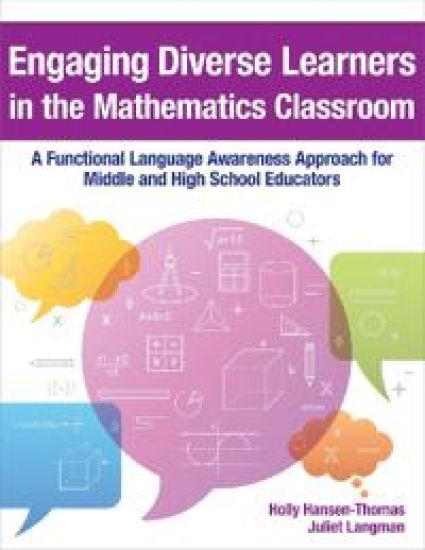
Language is a vital tool for teaching math—it’s present in word problems, textbooks, teacher talk, and more. With this game-changing guidebook, middle and high school teachers will harness the power of language to ensure math success for all students, including multilingual and other diverse learners who may need support to access academic language. Introducing a unique functional language awareness approach developed through decades of research and field work, this book helps teachers examine how they use language in the math classroom and make small changes to their words and practices to support student learning. Math teachers will see the functional language awareness approach in action across different classroom contexts, and they’ll get a practical collection of ideas, activities, and tools for making the most of language in the math classroom. An innovative approach that complements popular math models used with English learners, this guidebook will help educators use language consistently and effectively to meet the learning needs of all MATH TEACHERS WILL:record, analyze, and reflect on their own use of language in the classroomincrease understanding of student strengths and needs by developing learner profilesestablish language-rich interactive routines that engage all learnersplan powerful math lessons with an explicit focus on how language can support learningbuild student competence in key skills related to math, including explaining, reasoning, and problem-solvingteach students precise language for communicating their math knowledgeuse a think-aloud technique to reflect on and improve elements of their planning and teachingSPECIAL FEATURES: Leverage language effectively in the math classroom through sample transcripts of teacher-student discourse, Try It Yourself boxes, On Your Own activities, and reflective practice. Online materials include a lesson plan template, sample lesson plan, transcription guide, and other forms to support effective teaching.
Foundations of Bilingual Education and Bilingualism

Foundations of Bilingual Education and Bilingualism

Colin Baker; Wayne E. Wright

Multilingual Matters
2021
sidottu
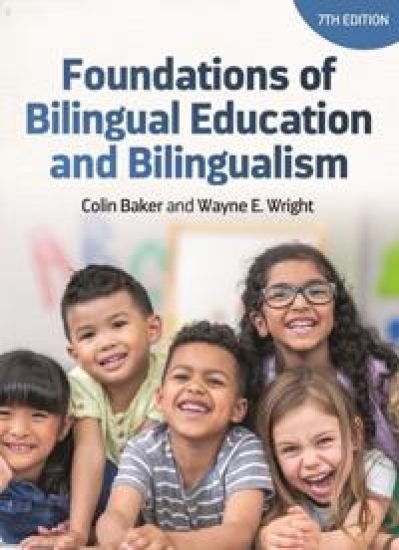
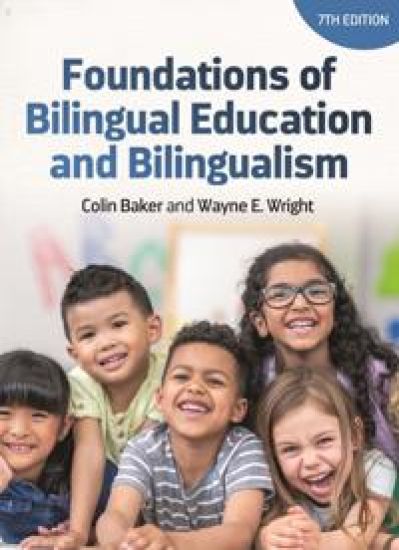
The 7th edition of the world's leading textbook on bilingual education and bilingualism. The seventh edition of this bestselling textbook has been extensively revised and updated to provide a comprehensive and accessible introduction to bilingualism and bilingual education in an everchanging world. Written in a compact and clear style, the book covers all the crucial issues in bilingualism and multilingualism at individual, group and societal levels. Updates to the new edition include: Thoroughly updated chapters with over 500 new citations of the latest research. Six chapters with new titles to better reflect their updated content. A new Chapter 16 on Deaf-Signing People, Bilingualism/Multilingualism and Bilingual Education. The latest demographics and other statistical data. Recent developments in and limitations of brain imaging research. An expanded discussion of key topics including multilingual education, codeswitching, translanguaging, translingualism, biliteracy, multiliteracies, metalinguistic and morphological awareness, superdiversity, raciolinguistics, anti-racist education, critical post-structural sociolinguistics, language variation, motivation, age effects, power, and neoliberal ideologies. Recent US policy developments including the Every Student Succeeds Act (ESSA), Seal of Biliteracy, Proposition 58, LOOK Act, Native American Languages Preservation Act, and state English proficiency standards and assessments consortia (WIDA, ELPA21). New global examples of research, policy, and practice beyond Europe and North America. Technology and language learning on the internet and via mobile apps, and multilingual language use on the internet and in social media. Students and Instructors will benefit from updated chapter features including: New bolded key terms corresponding to a comprehensive glossaryRecommended readings and online resourcesDiscussion questions and study activities
Foundations of Bilingual Education and Bilingualism

Foundations of Bilingual Education and Bilingualism

Colin Baker; Wayne E. Wright

Multilingual Matters
2021
nidottu
The 7th edition of the world's leading textbook on bilingual education and bilingualism. The seventh edition of this bestselling textbook has been extensively revised and updated to provide a comprehensive and accessible introduction to bilingualism and bilingual education in an everchanging world. Written in a compact and clear style, the book covers all the crucial issues in bilingualism and multilingualism at individual, group and societal levels. Updates to the new edition include: Thoroughly updated chapters with over 500 new citations of the latest research. Six chapters with new titles to better reflect their updated content. A new Chapter 16 on Deaf-Signing People, Bilingualism/Multilingualism and Bilingual Education. The latest demographics and other statistical data. Recent developments in and limitations of brain imaging research. An expanded discussion of key topics including multilingual education, codeswitching, translanguaging, translingualism, biliteracy, multiliteracies, metalinguistic and morphological awareness, superdiversity, raciolinguistics, anti-racist education, critical post-structural sociolinguistics, language variation, motivation, age effects, power, and neoliberal ideologies. Recent US policy developments including the Every Student Succeeds Act (ESSA), Seal of Biliteracy, Proposition 58, LOOK Act, Native American Languages Preservation Act, and state English proficiency standards and assessments consortia (WIDA, ELPA21). New global examples of research, policy, and practice beyond Europe and North America. Technology and language learning on the internet and via mobile apps, and multilingual language use on the internet and in social media. Students and Instructors will benefit from updated chapter features including: New bolded key terms corresponding to a comprehensive glossaryRecommended readings and online resourcesDiscussion questions and study activities
Foundations for Teaching English Language Learners
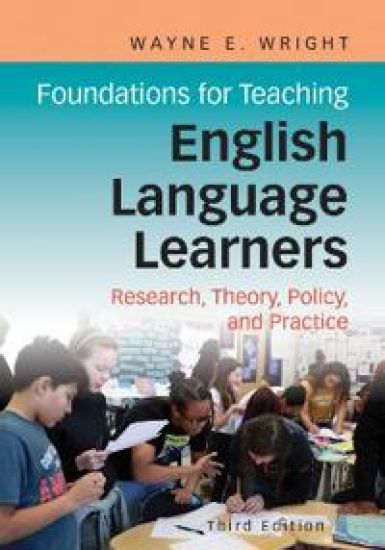
All teachers and administrators must know how to educate multilingual students&#44 particularly English language learners Foundations for Teaching English Language Learners: Research&#44 Theory&#44 Policy&#44 and Practice by Wayne E. Wright is a comprehensive course text on ELL education for pre-service elementary and secondary teachers as well as literacy&#44 special education&#44 English as a second language (ESL)&#44 and bilingual specialists. This foundational text also targets educational leaders&#44 including coaches&#44 counselors&#44 directors, and administrators working toward equity and excellence in multilingual schools and communities. This text prepares educators to meet state competency requirements in ELL education. Foundations for Teaching ELLs includes an interactive companion website with extensive resources for students and professors. Professors appreciate the Professor Control Panel on the site&#44 which includes slide presentations that Dr. Wright has made to accompany each chapter, a sample course syllabus, and much more. Students Learn ToMake research-based decisions on ELL policies, programs, practices, and assessmentRelate language and literacy teaching and learning theories and practiceDifferentiate core content-area instruction for multilingual learners, including ELLsTeach oral language, reading, and writing in all content areasUse students' home languages and technology as resources for learningSpecial FeaturesGuiding questions and key termsTables, boxes, figures, glossaryVignettes, teaching strategies, samples of student workChapter review activities, discussion questions, research activities, recommended readingsCompanion websiteProfessor Control Panel on companion websiteNew to the Third EditionA stronger multilingual perspective on ELL education, with attention to new research, theory, and practice on dynamic bilingualism and translanguagingNew regulations, accountability requirements, and flexibility regarding ELLs since the reauthorization of The Every Student Succeeds ACT(ESSA) in 2018Greater focus on the complex language and literacy demands of the Next Generation Science Standards as well as other content-area standards--not just for ELLs, but for all studentsNew research on ELLs in content-area classes from the National Academies of Sciences, Engineering, and Medicine in their 2017 report Promoting the Educational Success of Children and Youth Learning English: Promising Futures. The integration of new principles by Teachers of English to Speakers of Other Languages (TESOL, 2018) for the exemplary teaching of ELLs.
The Handbook of Bilingual and Multilingual Education

The Handbook of Bilingual and Multilingual Education

Wayne E. Wright; Sovicheth Boun; Ofelia García

John Wiley Sons Inc
2017
nidottu
The Handbook of Bilingual and Multilingual Education presents the first comprehensive international reference work of the latest policies, practices, and theories related to the dynamic interdisciplinary field of bilingual and multilingual education. Represents the first comprehensive reference work that covers bilingual, multilingual, and multicultural educational policies and practices around the worldFeatures contributions from 78 established and emerging international scholarsOffers extensive coverage in sixteen chapters of language and education issues in specific and diverse regional/geographic contexts, including South Africa, Mexico, Latvia, Cambodia, Japan, and TexasCovers pedagogical issues such as language assessment as well as offering evolving perspectives on the needs of specific learner populations, such as ELLs, learners with language impairments, and bilingual education outside of the classroom
The Handbook of Bilingual and Multilingual Education

The Handbook of Bilingual and Multilingual Education

Wayne E. Wright; Sovicheth Boun; Ofelia García

John Wiley Sons Inc
2015
sidottu
The Handbook of Bilingual and Multilingual Education presents the first comprehensive international reference work of the latest policies, practices, and theories related to the dynamic interdisciplinary field of bilingual and multilingual education. Represents the first comprehensive reference work that covers bilingual, multilingual, and multicultural educational policies and practices around the worldFeatures contributions from 78 established and emerging international scholarsOffers extensive coverage in sixteen chapters of language and education issues in specific and diverse regional/geographic contexts, including South Africa, Mexico, Latvia, Cambodia, Japan, and TexasCovers pedagogical issues such as language assessment as well as offering evolving perspectives on the needs of specific learner populations, such as ELLs, learners with language impairments, and bilingual education outside of the classroom