
Kirjailija
Wilhelm Hauff
Kirjat ja teokset yhdessä paikassa: 487 kirjaa, julkaisuja vuosilta 1986–2026, suosituimpiin kuuluu Lichtenstein. Vertaile teosten hintoja ja tarkista saatavuus suomalaisista kirjakaupoista.
Nimi esiintyy myös muodoissa: Wilhelm - Hauff
487 kirjaa
Kirjojen julkaisuvuodet: 1986–2026.


Although the Brothers Grimm and Hans Andersen came to dominate the world of fairytales in the second half of the nineteenth century, they were not the only collectors or authors of fairytales to gain an English-speaking public during this period. Other German collectors of traditional tales are dealt with elsewhere, but of those writers who composed their own tales Wilhelm Hauff heads the list. His Marchen, whether published as a book or separately, have kept a firm place in German children's reading from the time of their first appearance right to the present day. Equally, there has been a steady stream of English editions over the same period. An old artisan in a middle-eastern town finds himself the brunt of abuse from the townspeople, due to his hunch-back. The children, who call him "wicked", chase him and corner him in his shop. He locks them in, and tells them they can only leave once they have listened to his story. It turns out the old man used to be called "little Muck" in his youth. As a boy, Muck is kind and benevolent, despite being discriminated against by everyone. When his caring father dies, his greedy relatives ransack his house and threaten Muck. Muck escapes, and sets out in search of a merchant who can supposedly sell happiness... Includes a unique illustration
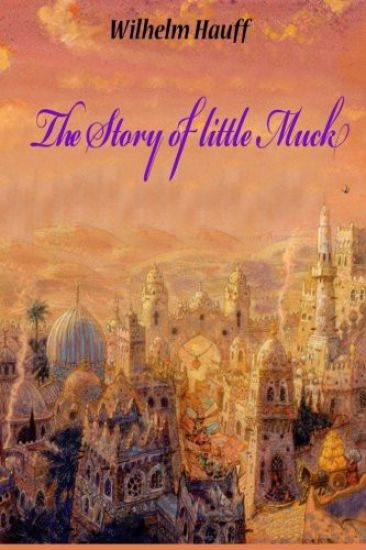
Although the Brothers Grimm and Hans Andersen came to dominate the world of fairytales in the second half of the nineteenth century, they were not the only collectors or authors of fairytales to gain an English-speaking public during this period. Other German collectors of traditional tales are dealt with elsewhere, but of those writers who composed their own tales Wilhelm Hauff heads the list. His Marchen, whether published as a book or separately, have kept a firm place in German children's reading from the time of their first appearance right to the present day. Equally, there has been a steady stream of English editions over the same period. An old artisan in a middle-eastern town finds himself the brunt of abuse from the townspeople, due to his hunch-back. The children, who call him "wicked", chase him and corner him in his shop. He locks them in, and tells them they can only leave once they have listened to his story. It turns out the old man used to be called "little Muck" in his youth. As a boy, Muck is kind and benevolent, despite being discriminated against by everyone. When his caring father dies, his greedy relatives ransack his house and threaten Muck. Muck escapes, and sets out in search of a merchant who can supposedly sell happiness... Includes a unique illustration

Although the Brothers Grimm and Hans Andersen came to dominate the world of fairytales in the second half of the nineteenth century, they were not the only collectors or authors of fairytales to gain an English-speaking public during this period. Other German collectors of traditional tales are dealt with elsewhere, but of those writers who composed their own tales Wilhelm Hauff heads the list. His Marchen, whether published as a book or separately, have kept a firm place in German children's reading from the time of their first appearance right to the present day. Equally, there has been a steady stream of English editions over the same period. An old artisan in a middle-eastern town finds himself the brunt of abuse from the townspeople, due to his hunch-back. The children, who call him "wicked", chase him and corner him in his shop. He locks them in, and tells them they can only leave once they have listened to his story. It turns out the old man used to be called "little Muck" in his youth. As a boy, Muck is kind and benevolent, despite being discriminated against by everyone. When his caring father dies, his greedy relatives ransack his house and threaten Muck. Muck escapes, and sets out in search of a merchant who can supposedly sell happiness... Includes a unique illustration

Although the Brothers Grimm and Hans Andersen came to dominate the world of fairytales in the second half of the nineteenth century, they were not the only collectors or authors of fairytales to gain an English-speaking public during this period. Other German collectors of traditional tales are dealt with elsewhere, but of those writers who composed their own tales Wilhelm Hauff heads the list. His Marchen, whether published as a book or separately, have kept a firm place in German children's reading from the time of their first appearance right to the present day. Equally, there has been a steady stream of English editions over the same period. An old artisan in a middle-eastern town finds himself the brunt of abuse from the townspeople, due to his hunch-back. The children, who call him "wicked", chase him and corner him in his shop. He locks them in, and tells them they can only leave once they have listened to his story. It turns out the old man used to be called "little Muck" in his youth. As a boy, Muck is kind and benevolent, despite being discriminated against by everyone. When his caring father dies, his greedy relatives ransack his house and threaten Muck. Muck escapes, and sets out in search of a merchant who can supposedly sell happiness... Includes a unique illustration
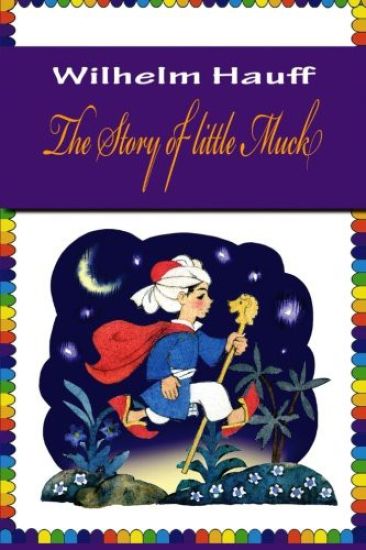
Although the Brothers Grimm and Hans Andersen came to dominate the world of fairytales in the second half of the nineteenth century, they were not the only collectors or authors of fairytales to gain an English-speaking public during this period. Other German collectors of traditional tales are dealt with elsewhere, but of those writers who composed their own tales Wilhelm Hauff heads the list. His Marchen, whether published as a book or separately, have kept a firm place in German children's reading from the time of their first appearance right to the present day. Equally, there has been a steady stream of English editions over the same period. An old artisan in a middle-eastern town finds himself the brunt of abuse from the townspeople, due to his hunch-back. The children, who call him "wicked", chase him and corner him in his shop. He locks them in, and tells them they can only leave once they have listened to his story. It turns out the old man used to be called "little Muck" in his youth. As a boy, Muck is kind and benevolent, despite being discriminated against by everyone. When his caring father dies, his greedy relatives ransack his house and threaten Muck. Muck escapes, and sets out in search of a merchant who can supposedly sell happiness... Includes a unique illustration

Although the Brothers Grimm and Hans Andersen came to dominate the world of fairytales in the second half of the nineteenth century, they were not the only collectors or authors of fairytales to gain an English-speaking public during this period. Other German collectors of traditional tales are dealt with elsewhere, but of those writers who composed their own tales Wilhelm Hauff heads the list. His Marchen, whether published as a book or separately, have kept a firm place in German children's reading from the time of their first appearance right to the present day. Equally, there has been a steady stream of English editions over the same period. An old artisan in a middle-eastern town finds himself the brunt of abuse from the townspeople, due to his hunch-back. The children, who call him "wicked", chase him and corner him in his shop. He locks them in, and tells them they can only leave once they have listened to his story. It turns out the old man used to be called "little Muck" in his youth. As a boy, Muck is kind and benevolent, despite being discriminated against by everyone. When his caring father dies, his greedy relatives ransack his house and threaten Muck. Muck escapes, and sets out in search of a merchant who can supposedly sell happiness... Includes a unique illustration






Mitteilungen Aus Den Memoiren Des Satan
Wilhelm Hauff
Createspace Independent Publishing Platform
2015
nidottu


Märchen-Almanach auf das Jahr 1828
Wilhelm Hauff
Createspace Independent Publishing Platform
2015
nidottu
"M rchen-Almanach auf das Jahr 1828" from Wilhelm Hauff. Deutscher Schriftsteller der Romantik (1802-1827).


Märchen-Almanach auf das Jahr 1827
Wilhelm Hauff
Createspace Independent Publishing Platform
2015
nidottu
"M rchen-Almanach auf das Jahr 1827" from Wilhelm Hauff. Deutscher Schriftsteller der Romantik (1802-1827).
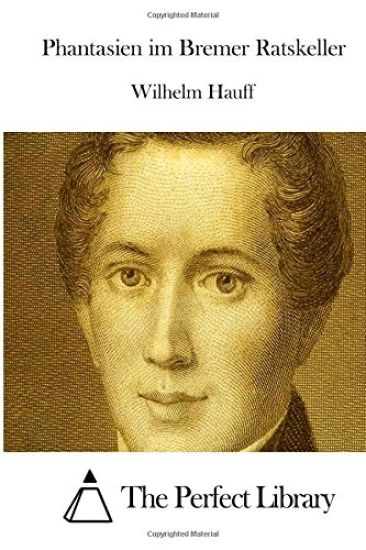
Phantasien im Bremer Ratskeller
Wilhelm Hauff
Createspace Independent Publishing Platform
2015
nidottu