Kirjailija
William B. Rice
Kirjat ja teokset yhdessä paikassa: 52 kirjaa, julkaisuja vuosilta 2007–2017, suosituimpiin kuuluu Roberto Clemente. Vertaile teosten hintoja ja tarkista saatavuus suomalaisista kirjakaupoista.
Nimi esiintyy myös muodoissa: William B Rice
52 kirjaa
Kirjojen julkaisuvuodet: 2007–2017.
Condensation introduces students in Grades 2-4 to the key role of condensation in the water cycle. This engaging nonfiction reader uses clear explanations and vivid images to show how water changes form, how condensation contributes to weather patterns, and why it matters to our environment. Designed to develop literacy skills while building scientific understanding. Explains how condensation works and why it's important in the water cycle Supports scientific inquiry with real-life examples and visuals Encourages vocabulary development with subject-specific terms Builds critical thinking through structured informational text Aligned to science standards for grades 2-4
Liquids is an engaging nonfiction science reader that introduces early learners in Grades K-2 to the physical properties of liquids. Using clear, age-appropriate language and vivid photographs, this book explains what makes liquids unique, how they behave, and where they are found in everyday life. Perfect for classroom science centers or guided reading, it builds foundational science vocabulary while supporting observation and inquiry skills. Describes key characteristics of liquids including flow, shape, and volume. Encourages curiosity and observation of real-world materials and states of matter. Supports Next Generation Science Standards (NGSS) for early physical science. Reinforces reading comprehension through simple text and visual cues. Ideal for science units, independent reading, and group discussion in Grades K-2.
Discover the powerful forces behind one of nature's most dramatic weather events in Los huracanes. Written in Spanish for students ages 7 to 13 (grades 3-5), this engaging nonfiction book explores how hurricanes form, how they are measured, and how communities prepare for them. Vivid images, clear informational text, and real-world examples help readers understand key Earth and physical science concepts. Ideal for classroom use or at-home learning support, this book builds academic vocabulary and reading comprehension while fostering awareness about extreme weather. Spanish nonfiction reader about hurricanes for students in grades 3-5 Explains how hurricanes form, move, and impact land and people Supports science and literacy instruction for Spanish-speaking readers Features vibrant images, captions, diagrams, and a glossary of key terms Perfect for science units, independent reading, or bilingual classrooms
As far as dangerous weather goes, tornadoes may be the most fierce and powerful of storms. Readers will learn how and where tornadoes hit, and how people protect themselves from life-threatening winds. While most people run away from tornadoes, storm chasers actually run after these swirling masses! With this Spanish-translated book, readers will be highly engaged from cover to cover as they learn the science behind these storms.
Images of an erupting volcano can be mesmerizing. Readers may be surprised to learn that volcanoes erupt every day. Some erupt constantly, while others lie dormant for years or even centuries. Through engaging text and brilliant photos in this Spanish title, readers learn what happens beneath the Earth to cause a volcanic eruption and the different structures beneath the Earth that cause new land to form.
Fires is an engaging nonfiction reader designed for early elementary students that explores the science and impact of fires in an age-appropriate way. Young readers will learn what causes fires, how they can spread, and the ways firefighters and emergency workers respond. The book uses clear, simple text and vivid photographs to explain the role of fire in both natural and human-made settings, encouraging safety awareness and curiosity. Introduces fire safety and basic science concepts to early readers. Explains fire causes and prevention in accessible language. Highlights real-life heroes like firefighters and rescue teams. Supports reading comprehension with visual cues and repetitive sentence structure. Ideal for classroom science units, safety lessons, or take-home reading.
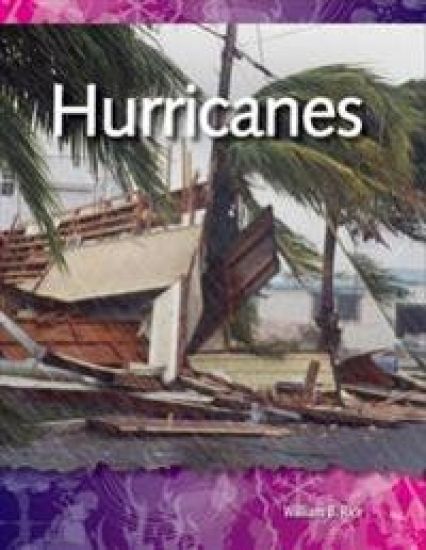
Hurricanes is an English nonfiction reader written for students in grades 3-5, ages 7-13. This high-interest text explains how hurricanes form, their structure, measurement scales, effects on land, and safety precautions. With clear language, diagrams, and vivid illustrations, it helps young learners grasp complex meteorological concepts in an accessible way. Teachers and parents can use this book as part of science units, weather lessons, or summer reading to deepen students' understanding of extreme weather phenomena. Describes hurricane formation, anatomy, and classification systems Explores impacts of wind, storm surge, and flooding on communities Shows how meteorologists track and predict hurricane paths Reinforces science vocabulary and critical-thinking through diagrams Ideal for use in science centers, guided reading, classroom units, and at-home support
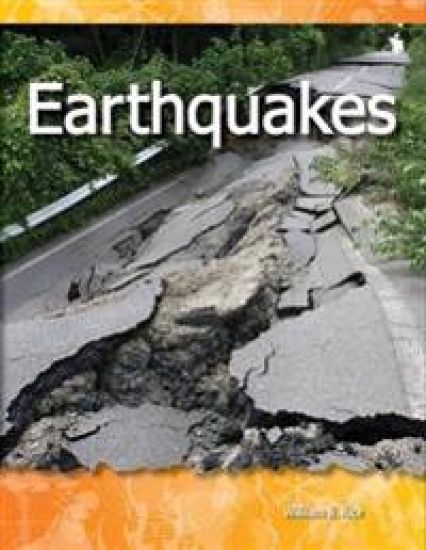
Most of the Earth's changes happen over millions of years, but earthquakes can force significant changes to the land in just a few moments. Readers will learn the science of plate tectonics and its role in the development of earthquakes around the globe. They will also learn that not all rocks are created equal. In fact, rocks are all different ages! This book concludes with images of the damage and destruction that earthquakes can cause.
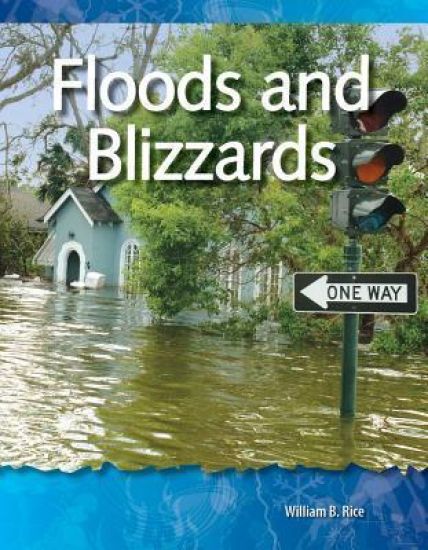
Floods and blizzards may be very different, but they do have some things in common. In this book, readers will discover they have one vital ingredient in common: water. Readers will learn the powerful forces of water as it pertains to floods and blizzards. They also discover that although these two forces of nature can cause difficulties for people, they are nature's way of cleaning up and re-nourishing the land.
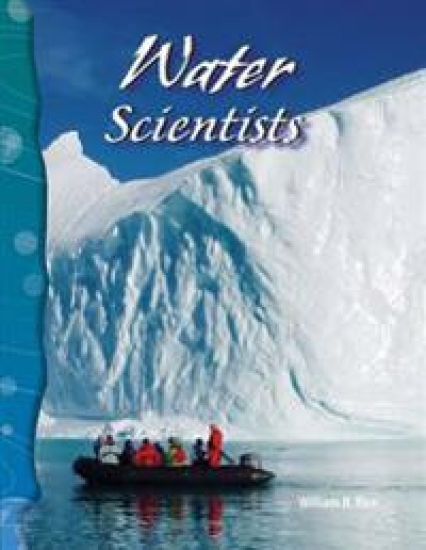
Mohammed Karaji, Edmond Halley, Henry Darcy, and Pelageia Polubarinova-Kochina are some of the most important water scientists highlighted in this nonfiction book. Readers will love the vivid images, easy-to-read text, helpful charts and graphs, and accessible glossary and index. Featuring a captivating hands-on lab activity, this book will leave readers eager and excited to learn more!
People have been studying the Earth for thousands of years! This fascinating book will introduce readers to those who made big discoveries in geology. Through vibrant photos and easy-to-read text, readers will learn about such early geologists as James Hutton, William Smith, Alfred Wegener, Florence Bascom, and Friederich Mohs. The helpful charts and graphs work in conjunction with the accessible glossary and index to give readers the tools they need to better understand the content. An engaging hands-on lab activity is featured to encourage readers to explore the world of geology!
What is the difference between a rock and a mineral? Readers will learn the answer to that and much more in this fascinating informational text! Igneous rock, sedimentary rock, metamorphic rock, geologists, and gemstones are some of the topics that are introduced through clear, stunning photos, interesting charts and graphs, supportive text, and an accessible glossary and index. An intriguing and captivating hands-on lab activity is featured to encourage readers to learn more about geology!