Kirjojen hintavertailu – 12 859 819 kirjaa ja 27 kauppaa
Kirjailija
William Blades
Kirjat ja teokset yhdessä paikassa: 51 kirjaa, julkaisuja vuosilta 2003–2025, suosituimpiin kuuluu The Enemies Of Books. Vertaile teosten hintoja ja tarkista saatavuus suomalaisista kirjakaupoista.
The Enemies of Books is a book on biblioclasts and book preservation by nineteenth century bibliophile and book collector William Blades. The book was first published in 1880 and has been republished in different editions in 1881, 1888, 1896, and 1902 and reproduced widely in electronic format in the twenty-first century. In the book, Blades, a well known collector and preserver of the works of British printer William Caxton, documented his outrage at any mistreatment of books in what became a passionate litany against biblioclasts, human and non-human, wherever he found them.
Little did Ozzie dream while growing up in the mountains of Norway that he would one day be caught up in one of the world's wildest adventures - literally in the middle of the Alaska crab fishing world so vividly documented by the Discovery Channel's program - "The Deadliest Catch." This is the story of his journey from Norway to Alaska- complete with disasters, daring new ventures, partner battles, numerous friendships, and a surprising variety and number of successes.
The Pentateuch of Printing - With a Chapter on Judges is an unchanged, high-quality reprint of the original edition of 1891. Hansebooks is editor of the literature on different topic areas such as research and science, travel and expeditions, cooking and nutrition, medicine, and other genres. As a publisher we focus on the preservation of historical literature. Many works of historical writers and scientists are available today as antiques only. Hansebooks newly publishes these books and contributes to the preservation of literature which has become rare and historical knowledge for the future.
A List of Medals, Jettons, Tokens, etc. - In Connection with Printers and the Art of Printing is an unchanged, high-quality reprint of the original edition of 1869. Hansebooks is editor of the literature on different topic areas such as research and science, travel and expeditions, cooking and nutrition, medicine, and other genres. As a publisher we focus on the preservation of historical literature. Many works of historical writers and scientists are available today as antiques only. Hansebooks newly publishes these books and contributes to the preservation of literature which has become rare and historical knowledge for the future.
The Biography and Typography of William Caxton - England's first Printer is an unchanged, high-quality reprint of the original edition of 1877. Hansebooks is editor of the literature on different topic areas such as research and science, travel and expeditions, cooking and nutrition, medicine, and other genres. As a publisher we focus on the preservation of historical literature. Many works of historical writers and scientists are available today as antiques only. Hansebooks newly publishes these books and contributes to the preservation of literature which has become rare and historical knowledge for the future.
The Biography and Typography of William Caxton - England's First Printer is an unchanged, high-quality reprint of the original edition of 1877. Hansebooks is editor of the literature on different topic areas such as research and science, travel and expeditions, cooking and nutrition, medicine, and other genres. As a publisher we focus on the preservation of historical literature. Many works of historical writers and scientists are available today as antiques only. Hansebooks newly publishes these books and contributes to the preservation of literature which has become rare and historical knowledge for the future.
This two-volume work on the life and activities of the printer William Caxton, a vital source for bibliographers, was written by another printer, William Blades, and published in 1861–3. Blades (1824–90), apprenticed into the family firm, developed a great interest in the history of his trade, collecting an extensive library of antiquarian books, and becoming an expert on early typefaces. He brings to his study of Caxton (which follows in the wake of works on incunabula by Ames, Herbert and Dibdin) his own practical experience of the craft of printing, largely unchanged, except for the addition of machine power, since Caxton's day. He examined more than 450 Caxton printings, in Britain, France and the Low Countries, while preparing the work. Volume 2 offers an essay on Caxton's working practices and a bibliographical account of every book printed by him then known to have survived.
This two-volume work on the life and activities of the printer William Caxton, a vital source for bibliographers, was written by another printer, William Blades, and published in 1861–3. Blades (1824–90), apprenticed into the family firm, developed a great interest in the history of his trade, collecting an extensive library of antiquarian books, and becoming an expert on early typefaces. He brings to his study of Caxton (which follows in the wake of works on incunabula by Ames, Herbert and Dibdin) his own practical experience of the craft of printing, largely unchanged, except for the addition of machine power, since Caxton's day. He examined more than 450 Caxton printings, in Britain, France and the Low Countries, while preparing the work. Volume 1 deals with Caxton's life and the background, in England and Europe, to his innovatory work. Transcriptions of contemporary documents are also supplied.
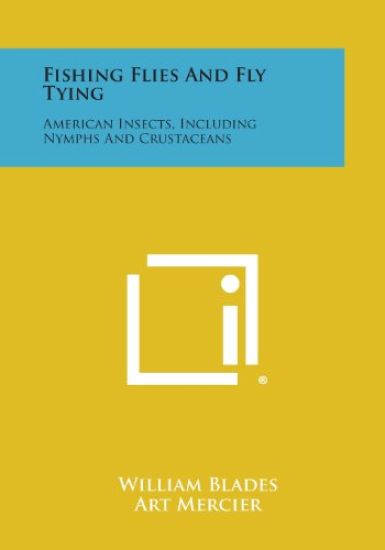
Fishing Flies and Fly Tying: American Insects, Including Nymphs and Crustaceans, written by William Blades, is a comprehensive guide to fly fishing and fly tying in North America. The book is divided into two sections, with the first section providing an overview of the different types of flies used in fly fishing, including dry flies, wet flies, nymphs, and streamers, and the second section focusing on the insects and crustaceans that these flies are designed to imitate. Blades covers a wide range of American insects and crustaceans, including mayflies, caddisflies, stoneflies, dragonflies, damselflies, scuds, and crayfish, and provides detailed information on their life cycles, behavior, and habitat. He also includes step-by-step instructions for tying a variety of flies, with clear illustrations and photographs to help readers understand the process. The book is aimed at both novice and experienced fly fishermen and fly tiers, and provides valuable information on selecting the right flies for different fishing conditions, as well as tips and tricks for tying effective flies. With its comprehensive coverage of American insects and its practical advice on fly fishing and fly tying, Fishing Flies and Fly Tying is an essential resource for anyone interested in this popular outdoor activity. This scarce antiquarian book is a facsimile reprint of the old original and may contain some imperfections such as library marks and notations. Because we believe this work is culturally important, we have made it available as part of our commitment for protecting, preserving, and promoting the world's literature in affordable, high quality, modern editions, that are true to their original work.