

Kirjailija
William Booth
Kirjat ja teokset yhdessä paikassa: 39 kirjaa, julkaisuja vuosilta 1890–2026, suosituimpiin kuuluu The Life & Letters Of William Booth. Vertaile teosten hintoja ja tarkista saatavuus suomalaisista kirjakaupoista.
39 kirjaa
Kirjojen julkaisuvuodet: 1890–2026.

Sergeant-Major Do-Your-Best Of Darkington No. 1
William Booth
KESSINGER PUBLISHING, LLC
2009
pokkari


Training of Children, Or, How to Make the Children Into Saints and Soldiers of Jesus Christ
William Booth
BiblioLife
2009
pokkari

Children's Ailment, How To Distinguish, And How To Threat Them
William Booth
KESSINGER PUBLISHING, LLC
2008
pokkari
Homiletical Commentary on the Book of Nehemiah
William Booth; John Goodman
Kessinger Pub
2007
sidottu
Homiletical Commentary on the Book of Nehemiah
William Booth; John Goodman; S. Gregory
Kessinger Pub
2007
pokkari

Essential Selections from the Writings of General William Booth
William Booth
Kessinger Pub
2005
pokkari
The Doctrines of the Salvation Army Prepared for the Training Homes
William Booth
Kessinger Pub
2004
sidottu
Doctrines of the Salvation Army Prepared for the Training Homes
William Booth
KESSINGER PUBLISHING CO
2004
pokkari


Purity of Heart is a passionate call by the founder of the Salvation Army for readers to live a life closer to God and follow the essential message of the Holy Spirit. Having witnessed much suffering in his vocation as head of a charity committed to assisting the misfortunate and destitute, William Booth was moved to write several books and essays upon principles of the Christian faith. This manual concerns the concept of purity, and how the attentive and devout person may attain a truly pure spirit and enjoy a good relationship with the divine. Booth's gift as an author shine in this short yet deeply impacting work. He engages the reader as an equal, with a conversational style that does not condescend, belittle or awe. A reading of the text gives the image of a skilled preacher, assured of the value of his message yet understanding of his flock's anxieties and life concerns. Keen to avoid high-minded or overly theoretical discussion, William Booth balances encouragement with practical steps to attaining a pure heart. Moderating one's temper and pride, and engaging one's God-given talents in both work and play are identified as the first steps to a purer heart and soul. Resisting the urge to take revenge or bear malice to others is another component to purity, that each believer benefit from the Lord's blessing.
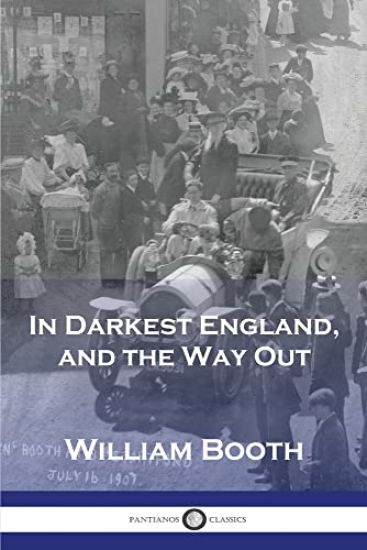
In Darkest England, and the Way Out is the Salvation Army's socially conscious treatise regarding the dire situation of the impoverished lower classes in England. First published in 1890 at a time of great hardship for working class people, this book was the charity founder William Booth's attempt at publicizing the desperate straits many ordinary people found themselves in. A rallying cry for preventing and acting against stark poverty, the book poignantly captures the mass degradation of the poor which characterized late Victorian Britain. Within its pages we also see the early philosophy by which the Salvation Army operated. Booth categorizes various people who approach the organization for assistance, from the misfortunate who are out of work, to those with alcohol and substance abuse problems, to petty criminals seeking to reform their ways. To this day, the swift development of an organized response to the various causes of poverty forms part of the organization's success. Highlights include accounts from individual persons who had received support from the Salvation Army. These accounts put a human face and act to counterbalance the more data-heavy portions of the text. Stories include women rescued from neglect; older men experiencing employer ageism in spite of their skills; missing persons found thanks to communication between branches of the charity; and lives dramatically turned around. Although William Booth put his prominent name to the publication, it is agreed that most of this book was written by the passionate investigative journalist W. T. Stead. In researching the text, Stead would visit many of the kitchens and facilities set up by the Salvation Army, which in the years after its founding encountered no shortage of people in dire need within Europe and North America.