
Kirjojen hintavertailu – 12 903 725 kirjaa ja 27 kauppaa

Kirjailija

William Cranmer / T?llakwagila

Kirjat ja teokset yhdessä paikassa: 2 kirjaa, julkaisuja vuosilta 2021–2022, suosituimpiin kuuluu Writing the Hamat'sa. Vertaile teosten hintoja ja tarkista saatavuus suomalaisista kirjakaupoista.

2 kirjaa

Kirjojen julkaisuvuodet: 2021–2022.

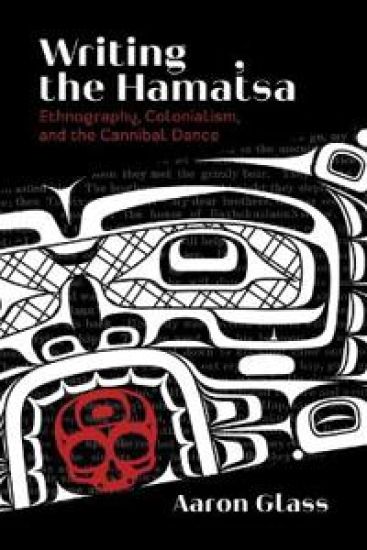
Writing the Hamat'sa

Writing the Hamat'sa

Aaron Glass; Andy Everson / Tanis; William Cranmer / T?llakwagila

University of British Columbia Press
2022
pokkari
Long known as the Cannibal Dance, the Hamat?sa is among the most important hereditary prerogatives of the Kwakwa_ka_?wakw of British Columbia. In the late nineteenth century, as anthropologists arrived to document the practice, colonial agents were pursuing its eradication and Kwakwa_ka_?wakw were adapting it to endure. In the process, the dance – with dramatic choreography, magnificent bird masks, and an aura of cannibalism – entered a vast library of ethnographic texts. Writing the Hamat?sa offers a critical survey of attempts to record, describe, and interpret the dance over four centuries. Going beyond postcolonial critiques of representation that often ignore Indigenous agency in the ethnographic encounter, Writing the Hamat?sa focuses on forms of textual mediation and Indigenous response that helped transofrm the ceremony from a set of specific performances into a generalized cultural icon. This meticulous work illuminates how Indigenous people contribute to, contest, and repurpose texts in the process of fashioning modern identities under settler colonialism.
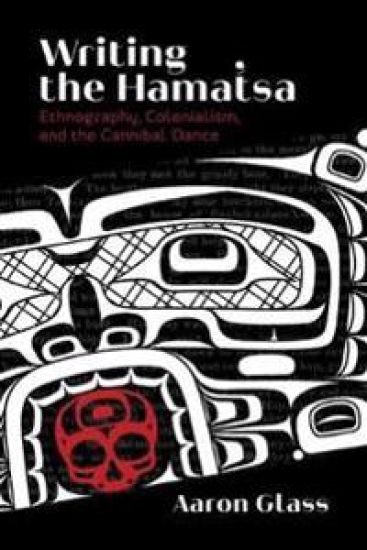
Writing the Hamat'sa

Writing the Hamat'sa

Aaron Glass; Andy Everson / Tanis; William Cranmer / T?llakwagila

University of British Columbia Press
2021
sidottu
Long known as the Cannibal Dance, the Hamat?sa is among the most important hereditary prerogatives of the Kwakwa_ka_?wakw of British Columbia. In the late nineteenth century, as anthropologists arrived to document the practice, colonial agents were pursuing its eradication and Kwakwa_ka_?wakw were adapting it to endure. In the process, the dance – with dramatic choreography, magnificent bird masks, and an aura of cannibalism – entered a vast library of ethnographic texts. Writing the Hamat?sa offers a critical survey of attempts to record, describe, and interpret the dance over four centuries. Going beyond postcolonial critiques of representation that often ignore Indigenous agency in the ethnographic encounter, Writing the Hamat?sa focuses on forms of textual mediation and Indigenous response that helped transofrm the ceremony from a set of specific performances into a generalized cultural icon. This meticulous work illuminates how Indigenous people contribute to, contest, and repurpose texts in the process of fashioning modern identities under settler colonialism.